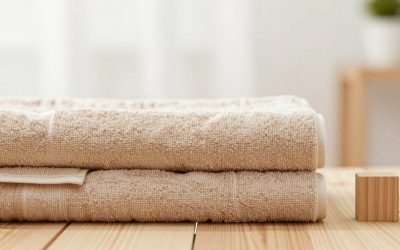
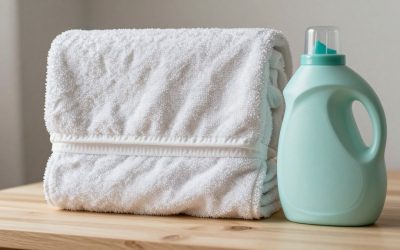
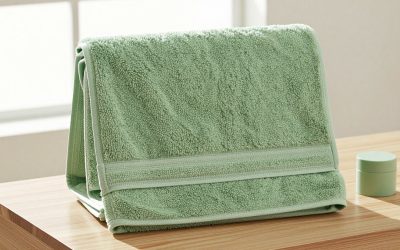
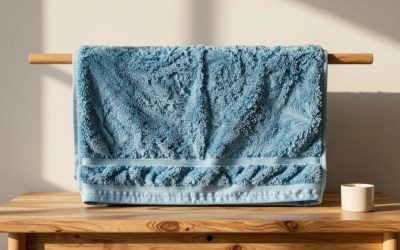
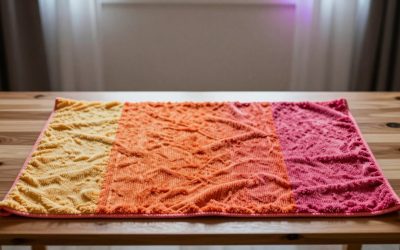
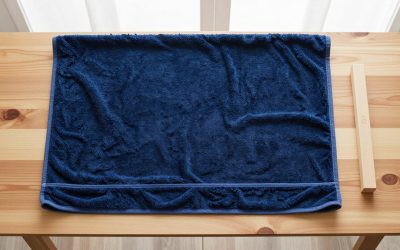
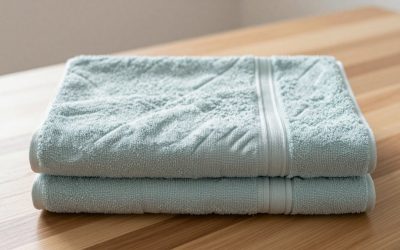
The best dish towels are absorbent, lint-light, and tough enough to survive hot laundry cycles. Flour sack cotton, waffle weave, and terry each have a job in the kitchen, and most households do best with a mix rather than a single type.
Match the Towel to the Task
Drying glassware, wiping counters, handling a warm pan, and covering rising dough are four different jobs. A lint-free flat weave suits glasses, because stray fibers show up clearly on a clean surface. A thick terry towel suits hand drying and spills. Waffle weave sits between the two and is a popular all-rounder. If you cook a lot, keeping separate towels for hands and dishes reduces cross-contamination in the kitchen.
Weave Comparison
| Weave | Lint level | Absorbency | Typical job |
|---|---|---|---|
| Flour sack | Low | Moderate | Glasses, covering dough |
| Waffle | Low to moderate | Good | General dish drying |
| Terry | Higher | High | Hands, spills |
| Microfiber | Very low | High | Streak-free glass and counters |
| Linen | Low, improves with use | Moderate, dries fast | Everyday wiping and serving |
Material Choices Explained
Cotton is the standard, thanks to durability and easy washing. Linen takes a while to soften but dries quickly and lasts well, which some cooks like. Microfiber is excellent at polishing glass but may not suit everyone because it can hold onto grease if washed poorly. Blends exist and can balance cost and performance, though it helps to read the fabric listing carefully.
What to Look For
- Tight, even stitching on the hems so the edges do not unravel.
- A size that suits your sink and drying area.
- A hanging loop or enough length to drape over an oven handle.
- Colors and patterns that mask everyday stains.
If you want a quick look at what is available, browse cotton dish towels and compare weave descriptions.
Care and Maintenance
Wash dish towels apart from clothing and bath towels. Kitchen towels pick up grease and food bits, and mixing them with bath towels can leave odors behind. Hot water helps lift grease. Use a good detergent, and consider an occasional vinegar rinse to freshen fabric. Avoid softeners because they coat fibers and make towels less absorbent. Dry fully before storing. Damp towels left in a drawer can develop a sour smell quickly.
Replace towels once they turn thin, grayish, or permanently greasy. Moving worn ones to garage or cleaning duty extends their useful life.
Who Each Type Suits
Home bakers value flour sack cotton, which is smooth and can cover bread dough. Busy families usually do well with a stack of waffle towels that can take frequent laundering. Anyone who hosts often may want a few decorative linen towels for display plus sturdier ones for actual use. Renters furnishing a first kitchen can start with a simple multi-pack and add specialty towels later.
Common Mistakes
- Using decorative towels for real cleanup, then stressing about the stains.
- Washing them with fabric softener.
- Using one towel all day for hands, dishes, and spills.
- Using a towel to grab hot pans when it is wet, which can cause steam burns.
- Buying too few, leaving no clean one available.
For dirty jobs, add some microfiber cleaning cloths, and for handling hot cookware, a pair of oven mitts is safer than any towel.
Frequently Asked Questions
How many dish towels do I need?
Six to eight covers most households, giving you fresh ones through a week of use with laundry in between.
Why do my towels feel greasy after washing?
Residue from detergent, softener, or incomplete grease removal can cause it. Try a hotter wash and less product.
Are flour sack towels good for drying dishes?
Yes, they are a favorite for glassware because they leave very little lint.
Can I bleach white towels?
Many cotton towels tolerate it, but check the label first, since bleach can weaken fibers over time.