
Key takeaways
- Choosing the best equipment for at home gym use on a budget means deciding what must work together. A cheap main item can become an expensive starting...
What's inside
- Separate required purchases from attractive extras
- Price a complete configuration
- Prefer purchases that work before the next purchase
- Keep storage from becoming a second project
- Compare ownership terms alongside price
- Product listings to compare
- Leave the last purchase undecided
- Additional product links
- Related reading
Choosing the best equipment for at home gym use on a budget means deciding what must work together. A cheap main item can become an expensive starting point if it needs several missing components. Build your budget around a usable setup, with storage and delivery included, rather than around the number of products in the basket.
This guide provides practical selection and use considerations. It does not report hands-on product testing.
Separate required purchases from attractive extras
Write two lists. The first contains the equipment necessary for the activity you intend to start. The second contains items that might add convenience or variety later. If a product does not have a clear purpose on either list, leave it out until you can explain why you want it.
Keep the exercise choice central. A person who wants a simple resistance setup has different requirements from someone choosing a stationary bike. There is no universal order that makes a set of weights the first purchase for every household. Start with your intended use and the available room, then make the numbers work around that.
Price a complete configuration
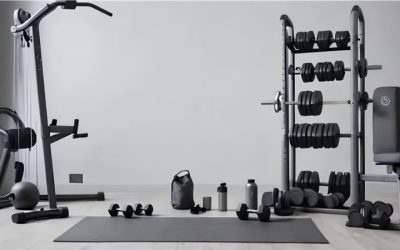
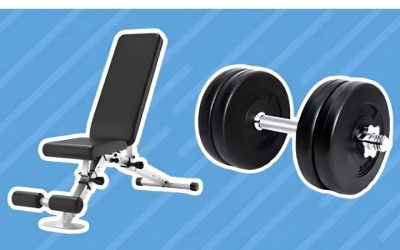
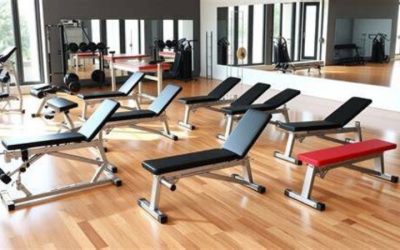
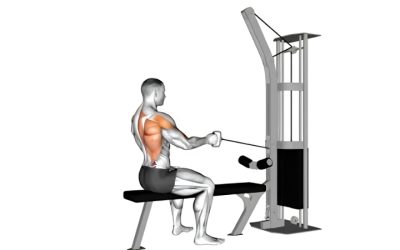
For weights, confirm whether a listing supplies a pair or a single unit and where the complete set will rest. For a bench, identify the supported positions and documented limits. For a machine, check whether the attachments used in its illustrations are included. An incomplete bundle should not be compared directly with a complete package.
Add delivery and assembly if they are needed. A heavy item that arrives at the entrance may still require a separate arrangement to reach the room. Include appropriate storage and any installation requirements too. You do not need an arbitrary budget percentage for these items; you need the actual costs relevant to the equipment under consideration.
Prefer purchases that work before the next purchase
A staged budget is most useful when each stage creates a usable setup. Buying a component that cannot be used until several later orders arrive can tie up money without serving the original activity. Where a system necessarily requires several compatible parts, budget for the group as one decision rather than pretending the first part is a complete stage.
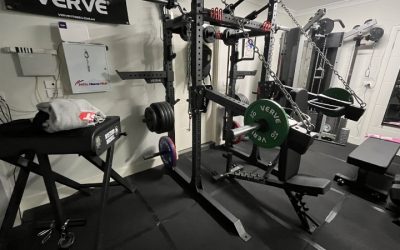
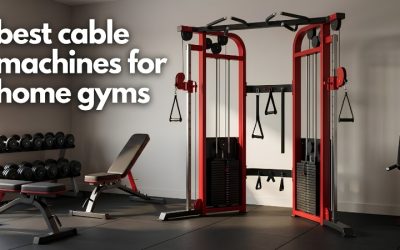
Compatibility is worth checking in writing. Plates, bars, collars, stands and cable accessories are not interchangeable merely because they belong to the same broad category. Record model names and connection requirements. The ability to reuse an existing component can be valuable, but only when the combination is actually supported.
Keep storage from becoming a second project
Decide where each item will stay before it arrives. Equipment that must be packed away needs storage that suits its dimensions and permitted orientation. Heavy objects need a supporting arrangement appropriate to the load. Do not assign a decorative cabinet a new role as a weight rack without confirming that it is suitable.
In a furnished room, consider the full setup process. If every session starts by moving a large table and emptying a cupboard, storage is not merely a cosmetic concern. A slightly different equipment format may fit the household better, even if its advertised capacity or accessory count is less impressive.
Compare ownership terms alongside price
- Check what the warranty covers and where service requests go.
- Ask whether the exact model has a documented source of replacement components.
- Read the return window and who pays for collection or shipping.
- Check whether packaging must be retained and whether assembly affects returns.
These details help explain differences between offers without assuming that a higher price guarantees better construction. If considering used equipment, assess the actual item’s condition, completeness and support arrangements rather than relying on the original model’s reputation. Missing instructions or components need to be resolved before treating it as ready for use.
Product listings to compare
As an Amazon Associate we earn from qualifying purchases at no extra cost to you. Product prices and availability are accurate as of the date shown and are subject to change. Compare the selected variant and its current description with the requirements above.
As an Amazon Associate we earn from qualifying purchases at no extra cost to you. Product prices and availability are accurate as of the date shown and are subject to change.




Leave the last purchase undecided
After setting up the essentials, notice what interrupts or limits the intended activity. A missing storage solution may deserve attention before another resistance option. Alternatively, the existing equipment might already cover what you need, leaving the rest of the budget unspent.
Make the next purchase answer a specific question: what will this let me do that the current setup cannot? Then repeat the complete-cost and space checks. This keeps the gym’s growth deliberate and avoids treating an expanding collection as a goal in itself. A budget succeeds when it produces a workable arrangement, not when every available amount has been allocated.
Additional product links
- Start 30-Day Prime Free Trial →
- See Today’s Amazon Deals
- ▸ Try Amazon Prime — free 30-day trial
- ▸ Start an Audible Premium Plus free trial
- ▸ Read free with Kindle Unlimited
Related reading
- Best equipment for at home gym
- Chris Parker
- Best Gym Mat for Home: Rubber vs Foam Picks for Any Floor
- Best Rowers for Home Gym: Air, Magnetic and Water Compared
- Best Weight Home Gym: 6 All-in-One Machines for Small Rooms
- Best Home Gym Equipment for Beginners: The Starter Setup
- Best Treadmills for Home Gym: 5 Picks by Deck and Motor
- Best changeable dumbbells
- Best rated yoga mat
- Best mat yoga
- Best home gym equipmen
- Best fitness equipment for home gym
- Best Budget Home Gym Equipment: Maximize Your Workout Without Breaking the Bank
- Best Home Gym Set Ups: 6 Builds by Room Size and Budget
- Best Home Workout Equipment Budget Guide: 6 Smart Picks
- Best Workout Gym Equipment: 6 Heavy-Duty Picks for Home Use
- Best Home Gym Cardio Equipment for Noise and Floor Space
Write Your Review
No reviews yet. Be the first to share your experience!