
Key takeaways
- A compact home gym works when it can be prepared, used and put away without an improvised rearrangement each time. To find the best setup, compare that...
What's inside
- Write down the available home routine
- Walk through setup before ordering
- Compare complete operating layouts
- Product listings to compare
- Decide what must stay assembled
- Keep components organized by task
- Compare the full purchase
- Include upkeep in the space plan
- Refine the setup before enlarging it
- Additional product links
- Related reading
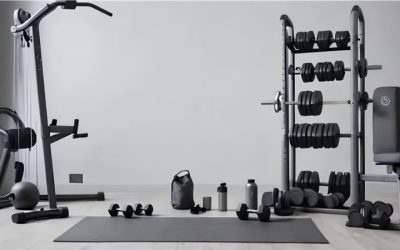
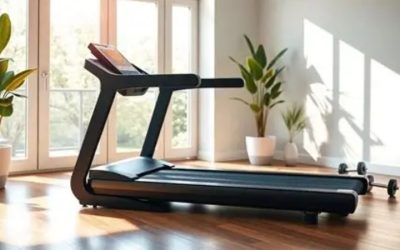
A compact home gym works when it can be prepared, used and put away without an improvised rearrangement each time. To find the best setup, compare that whole process. A machine that folds, a bag of resistance equipment and a small weight collection solve different problems, even when all are described as space saving.
This guide provides practical selection and use considerations. It does not report hands-on product testing.
Write down the available home routine
Identify when the space is available and what other activities happen there. A shared living room may need to return to ordinary use afterward, while a spare-room corner may remain dedicated. Make that distinction before deciding whether equipment needs to fold or move.
List the exercises or activities the purchase should enable. Use movements you understand or plan to learn with suitable instruction. An advertised menu of possibilities does not establish that every configuration suits your needs or your room.
Walk through setup before ordering
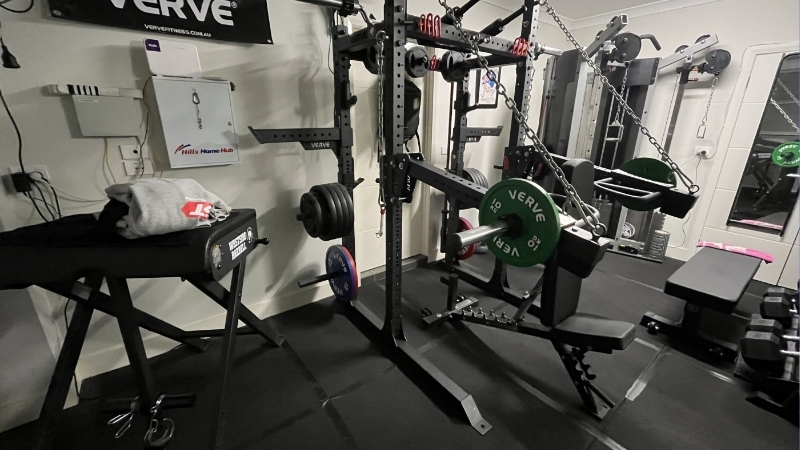
Imagine retrieving the equipment from its proposed storage place. Check the route, including doors and nearby furniture. Read the permitted unfolding, attachment or adjustment method for the exact product. Include every required component in the exercise arrangement.
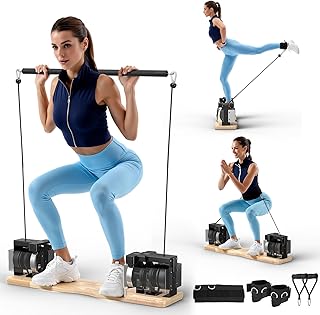
A portable kit may depend on a compatible support or anchor outside the bag. A compact machine may need clear space beyond its frame. These are part of the product’s practical size, not optional details to solve after delivery.
Compare complete operating layouts
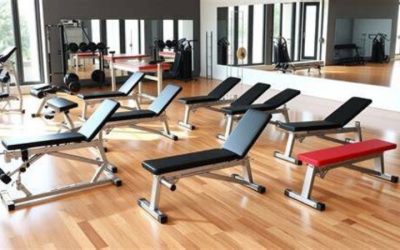
Draw the user’s position and movement alongside the equipment. Follow the manufacturer’s clearances and intended uses. If a bench or seat is required, include it rather than using a household chair as an assumed substitute.
Keep doors, drawers and passages usable at appropriate times. Avoid a plan that requires moving an obstruction from one route into another. If a layout only works when the household stops using an essential part of the room, reconsider the equipment format.
Product listings to compare
As an Amazon Associate we earn from qualifying purchases at no extra cost to you. Product prices and availability are accurate as of the date shown and are subject to change. Compare the selected variant and its current description with the requirements above.
As an Amazon Associate we earn from qualifying purchases at no extra cost to you. Product prices and availability are accurate as of the date shown and are subject to change.




Decide what must stay assembled
Some products may be more practical in a suitable permanent location. Others can return to storage following their instructions. Compare the amount of handling involved rather than making folding a requirement for its own sake.
For stored equipment, verify the allowed orientation and any steps required first. A product pictured upright should not automatically be leaned against furniture. Identify a real destination that supports the permitted storage method and leaves enough room to retrieve it correctly.
Keep components organized by task
Store together the items used in the same setup, while respecting their individual care and support requirements. Keep small connectors identifiable so preparing the system does not become a search through unrelated household objects. Retain the model instructions with the equipment information.
Heavy items need appropriate supports. Flexible accessories need storage that permits the condition checks described by their maker. Do not force every object into the same decorative container simply because it gives the room a uniform appearance.
Compare the full purchase
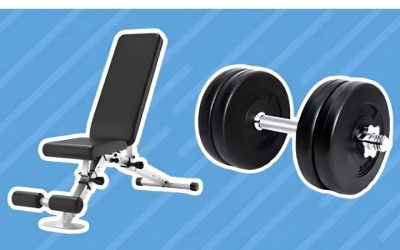
Check whether the offer supplies a complete usable system or a component collection. Identify any required weights, supports or services. A low package price can be difficult to compare when another offer already includes parts essential to your planned activities.
Delivery and assembly deserve separate attention for larger equipment. Confirm where the package is left and how it reaches the final room. Read return requirements before relying on an assessment after assembly. Keep optional subscriptions and accessories distinct from the initial essentials.
Include upkeep in the space plan
Locate the points that need adjustment, inspection or cleaning and keep them accessible. A system pressed tightly behind furniture can fit at rest while being awkward to maintain. Check the relevant floor-care guidance before selecting protective layers.
Plan the reset at the end of a session. Put components away in their designated locations and leave the room ready for its other purpose. An organized reset makes the next setup clearer without promising that a particular product will change anyone’s habits.
Refine the setup before enlarging it
After using the arrangement, note where preparation takes unnecessary steps or an intended activity remains unsupported. Solve those specific problems before adding another category of equipment. Better storage or a different position may answer a concern without another major purchase.
The best compact home gym is a collection whose use and ownership are both manageable. Choose equipment for a clear role, with suitable operating space and storage. Compactness then describes a workable household arrangement, rather than only the dimensions printed on a box.
Additional product links
- Start 30-Day Prime Free Trial →
- See Today’s Amazon Deals
- ▸ Try Amazon Prime — free 30-day trial
- ▸ Start an Audible Premium Plus free trial
- ▸ Read free with Kindle Unlimited
Related reading
- Best home gym compact
- Chris Parker
- Best Gym Mat for Home: Rubber vs Foam Picks for Any Floor
- Best Rowers for Home Gym: Air, Magnetic and Water Compared
- Best Weight Home Gym: 6 All-in-One Machines for Small Rooms
- Best Home Gym Equipment for Beginners: The Starter Setup
- Best Treadmills for Home Gym: 5 Picks by Deck and Motor
- Best beginner jump rope
- Best boxing jump rope
- Best boxer jump rope
- Best cheapest yoga mat
- Best workout exercise equipment
- Best Dumbbell Set for Home Gym: 5 Picks Ranked by Space
- Best Home Gym Dumbbells: 6 Sets Ranked by Space and Steps
- Best Changeable Dumbbells: 6 Space-Saving Picks for Home
- Best Adjustable Bench for Home Gym: 5 Picks Ranked by Use
Write Your Review
No reviews yet. Be the first to share your experience!