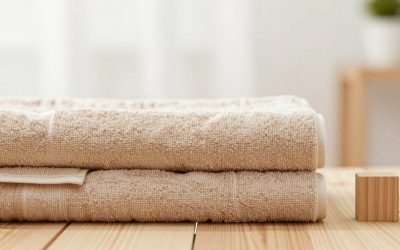
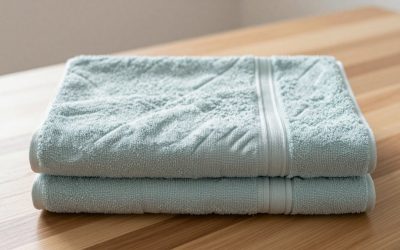
For curly hair, the best towel is a soft microfiber towel, a cotton T-shirt, or a plush turban made to blot rather than rub. The goal is to remove water without roughing up the curl pattern, and gentle, absorbent fabrics do that better than a standard terry bath towel.
Why Regular Towels Can Frustrate Curls
Standard terry cloth has loops that can catch on curls and encourage frizz when you rub. Curly and coily hair tends to be more fragile at the bends of each strand, so how you dry it matters. Many people with curls switch to blotting, scrunching, or wrapping instead of rubbing. Choosing a towel designed for that style of drying makes the habit easier to keep.
Types of Curly-Hair Towels
| Type | How you use it | Advantage | Limitation |
|---|---|---|---|
| Microfiber hair towel | Scrunch and blot | Lightweight, absorbs quickly | Varies in softness |
| Cotton T-shirt | Scrunch and wrap | Smooth, cheap, easy to wash | Less absorbent when soaked |
| Turban-style wrap | Twist and secure | Hands-free drying | Can feel heavy on long hair |
| Plush cotton or bamboo towel | Gentle squeeze | Familiar feel | Needs a soft hand to avoid frizz |
Matching the Towel to Your Curl Pattern
Looser waves may do fine with a small microfiber wrap. Tighter coils and longer hair usually benefit from a larger towel or a long turban so there is enough fabric to hold the weight of the hair. Thick hair holds a lot of water, which can make a small wrap slip. A loop and button closure helps a turban stay put while you move around.
If you apply leave-in products and gels, consider keeping one towel just for hair, since product can build up on fabric. A dedicated towel also avoids transferring residue to your face towels.
What to Look For
- A smooth, soft hand feel instead of a rough surface.
- A generous size for your hair length and thickness.
- A secure closure such as a loop or elastic if you want hands-free use.
- Easy-care fabric that survives frequent washing.
You can compare options like a microfiber towel for curly hair against a plain cotton shirt approach to see which suits your routine.
Technique Matters as Much as Fabric
Even the best towel can cause frizz if used with vigorous rubbing. Try gently scrunching sections upward, then holding the towel against your hair for a minute so it absorbs moisture. Avoid wringing hair into a tight twist. After the first blot, many people leave hair in a loose wrap for a short time before styling. Everyone’s hair behaves differently, so experiment with timing and pressure until you find what works.
Care and Maintenance
Microfiber should be washed without fabric softener, which can reduce its ability to absorb water. Wash it apart from lint-heavy items like regular terry towels, which can transfer fuzz. Cotton shirts can go in with regular laundry. Dry hair towels completely between uses to prevent odor. Replace any towel that has become rough or lost its softness.
Common Mistakes
- Rubbing hair back and forth with a coarse bath towel.
- Using a towel that is too small for thick or long hair.
- Washing microfiber with softener.
- Wrapping hair too tightly, which can pull at the hairline.
- Sharing a product-coated hair towel with the rest of the household.
Some people also like to pair the towel with a satin bonnet for the night routine, and a hair towel wrap for quick drying after a shower.
Frequently Asked Questions
Is microfiber better than a cotton shirt?
Microfiber usually absorbs faster, while a cotton shirt is smoother and costs very little. Many people try both and keep whichever suits their curls.
Can I sleep in a hair towel wrap?
It is generally not recommended, since towels are damp and can be bulky. A satin bonnet or pillowcase is a more common overnight choice.
How often should I wash it?
Wash it regularly, especially if you use styling products, so residue does not build up on the fabric.
Do I need a separate towel for my body?
Using a dedicated hair towel keeps product off your body towels and gives you a surface suited to gentle blotting.