Key takeaways
- Frame construction: Look for aluminum or another corrosion-resistant material, reinforced ribs, and joints that feel substantial rather than loose. A strong frame is useful only when it is paired with a properly weighted base.
- Canopy fabric: Fade-resistant or solution-dyed fabric generally holds its color better in direct sun. Check the canopy dimensions and fabric weight, but remember that sunlight protection and waterproofing are not always the same thing.
- Wind management: Vents allow air to escape through the canopy and can reduce pressure during light breezes. No patio umbrella should remain open in severe weather, and a wind-resistant rating does not eliminate the need for anchoring.
- Opening and tilting: Crank systems are convenient for frequent use, while push-button tilts make it easier to follow the sun. Confirm that the controls are reachable when the umbrella is positioned over a table.
- Size and placement: A nine-foot umbrella suits many four- to six-person tables, while 10- to 12-foot and cantilever models cover larger zones. Measure clearance around walls, railings, doors, and overhead branches before ordering.
What's inside
A patio umbrella can look substantial in a product photo yet feel flimsy once it meets gusty weather, repeated opening, and the everyday bumps of a busy deck. The challenge is finding the right combination of frame strength, canopy durability, practical operation, and a footprint that will not overwhelm a small outdoor living area.
This guide compares heavy-duty patio umbrellas for dining tables, compact decks, pool areas, and larger seating zones. The picks range from classic center-pole market umbrellas to offset cantilever designs, with attention to fade resistance, ventilation, shade coverage, tilt controls, and the base requirements that often determine real-world stability.
As an Amazon Associate we earn from qualifying purchases.



How to Choose a Heavy Duty Patio Umbrella (2026)
- Frame construction: Look for aluminum or another corrosion-resistant material, reinforced ribs, and joints that feel substantial rather than loose. A strong frame is useful only when it is paired with a properly weighted base.
- Canopy fabric: Fade-resistant or solution-dyed fabric generally holds its color better in direct sun. Check the canopy dimensions and fabric weight, but remember that sunlight protection and waterproofing are not always the same thing.
- Wind management: Vents allow air to escape through the canopy and can reduce pressure during light breezes. No patio umbrella should remain open in severe weather, and a wind-resistant rating does not eliminate the need for anchoring.
- Opening and tilting: Crank systems are convenient for frequent use, while push-button tilts make it easier to follow the sun. Confirm that the controls are reachable when the umbrella is positioned over a table.
- Size and placement: A nine-foot umbrella suits many four- to six-person tables, while 10- to 12-foot and cantilever models cover larger zones. Measure clearance around walls, railings, doors, and overhead branches before ordering.
The Best Heavy Duty Patio Umbrella (2026)s Reviewed
Midtown Umbrellas 9-Foot Terylast Umbrella
This center-pole model is a smart fit for buyers who want durable fabric without giving up a manageable footprint. Its 10-year no-fade Terylast canopy, aluminum auto-tilt frame, and eight reinforced ribs make it especially appealing for a dining table or compact deck where dependable shade matters more than oversized coverage.
EliteShade USA 9-Foot 3-Tier Market Umbrella
The EliteShade USA stands out for its three-tier ventilation, crank opening, and UPF 50+ protection. The layered canopy design gives escaping air more pathways, while the 10-year non-fading construction makes this a practical choice for a sunny patio that sees regular use.
Grand patio 12-Foot Sunbrella Cantilever Umbrella
For flexible shade beside a sofa, lounge set, or table without a center pole in the way, this 12-foot cantilever umbrella is the strongest option in the group. Its Sunbrella canopy, offset aluminum frame, and tilt adjustment offer broad coverage, but its larger scale means buyers should plan carefully for base placement and storage.
PURPLE LEAF 10-by-10-Foot Double-Top Cantilever Umbrella
The square PURPLE LEAF design creates a clean, furniture-friendly shade zone and suits larger seating arrangements particularly well. Its double-top canopy, 35-mph wind-resistant frame claim, fade-resistant 240 GSM fabric, and stated 30-minute setup make it a compelling choice when coverage and visual structure are priorities.
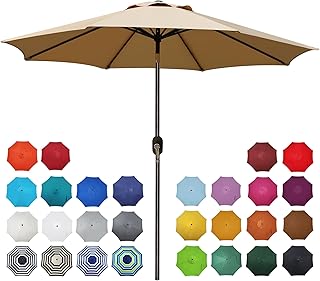
9-Foot Outdoor Market Umbrella with Crank and Tilt
This straightforward 9-foot umbrella covers the essentials: eight sturdy ribs, a crank lift, and push-button tilt. It is a sensible space-conscious pick for shoppers who want adjustable shade for a table without moving into the bulk or higher planning demands of a cantilever system.
Frequently Asked Questions
What makes a patio umbrella heavy duty?
Heavy-duty performance usually comes from several features working together: a corrosion-resistant frame, reinforced ribs, durable canopy fabric, reliable opening hardware, and adequate ventilation. The base is equally important; even a well-built umbrella can become unstable if it is mounted in an undersized or poorly secured stand.
Is a cantilever umbrella better than a center-pole umbrella?
Neither style is universally better. A cantilever umbrella keeps a central pole out of the way and can shade modular seating, but it needs more floor space and careful counterweighting. A center-pole model is typically simpler, more compact, and well suited to a patio table with a central umbrella hole.
How large should my patio umbrella be?
Start with the area you want to shade, then allow room for the canopy to open without striking walls or railings. A 9-foot model is versatile for many dining tables, while 10- to 12-foot umbrellas are better for larger seating areas. In a small space, prioritize usable clearance over maximum canopy size.
Can I leave a heavy-duty patio umbrella open in the wind?
It is best to close and secure any umbrella when wind picks up, even when the manufacturer describes the frame as wind resistant. Lower the canopy, use a cover when practical, and follow the product’s anchoring and weather guidance. Cantilever models in particular require attention to their base and counterweight.
Final Thoughts
For an adaptable everyday umbrella, the Midtown Umbrellas 9-Foot model is a well-rounded choice; the EliteShade USA adds useful ventilation and strong sun protection; and the Grand patio 12-Foot Sunbrella Cantilever Umbrella is the standout for expansive, unobstructed shade. Whichever style you choose, match its dimensions to your layout and invest in the correct base before the first windy afternoon.