Key takeaways
- One hand towel hanging on the oven door, swapped daily.
- A stack of flour sack or waffle towels for dishes.
- A separate set for raw meat spills or floor messes, to avoid cross-contamination.
- One or two decorative linen towels for serving and display.
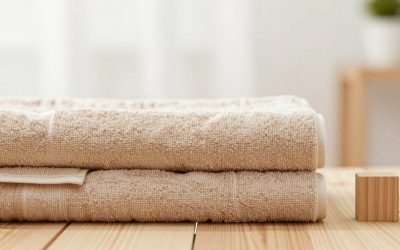
The best kitchen towels are flat-woven or waffle cotton, linen, or a cotton-linen blend that absorbs spills, dries dishes without lint, and tolerates frequent hot washing. Terry towels are better for hands than for glassware. This guide draws on research and common kitchen practice, not detailed research.
Match the Cloth to the Task
Kitchen towels do several unrelated jobs, and one cloth rarely does all of them well. Drying glasses demands a smooth, lint-free surface. Wiping hands calls for absorbent terry. Covering rising dough prefers a thin, tight weave. Handling hot pans should be left to oven mitts, not ordinary towels, since damp fabric can transmit heat quickly.
Weaves and Fibers You Will Meet
- Flour sack cotton
- Thin, plain-weave cotton that is lint-light and very versatile. Good for glasses, straining, and covering food.
- Waffle weave
- Pocketed texture that absorbs well and dries quickly, effective for dishes and counters.
- Linen or linen blend
- Crisp, long-lasting, and gets softer over time. Often favored for polishing glass.
- Terry
- Looped and absorbent but prone to lint. Better for hands and spills than for delicate glassware.
- Microfiber
- Fast and absorbent, though it can leave streaks on some surfaces if not rinsed clean.
Kitchen Towel Types in a Table
| Type | Lint level | Best task | Watch out for |
|---|---|---|---|
| Flour sack | Very low once washed | Glassware, covering dough | Thin when wet |
| Waffle weave | Low | General drying, counters | Can hold odors if left damp |
| Linen blend | Very low | Polishing, serving | Wrinkles |
| Terry | Higher | Hands, spills | Lint on glass |
| Microfiber | Low | Counters, appliance wiping | Streaks if soiled |
A Practical Rotation
- One hand towel hanging on the oven door, swapped daily.
- A stack of flour sack or waffle towels for dishes.
- A separate set for raw meat spills or floor messes, to avoid cross-contamination.
- One or two decorative linen towels for serving and display.
Keeping roles separate extends the life of every towel and makes laundering simpler. Pair that with a rule of changing hand towels often, because damp kitchen cloths can be a source of unpleasant odors and bacteria growth if left unwashed.
Shopping Starting Points
For a versatile base, browse flour sack kitchen towels. For better absorbency, waffle weave kitchen towels are a popular alternative. If you like a classic, long-wearing look, try linen cotton kitchen towels. Read size details and fiber content on each listing, and note how reviewers describe lint after multiple washes.
Washing for Hygiene and Longevity
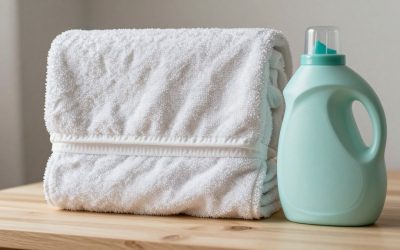
Wash kitchen towels frequently, separate from bath towels and clothing. Use hot water when the fabric allows, since it helps remove grease and food residue. A scoop of baking soda or a splash of vinegar in the wash is a commonly used trick for odor control, though results vary. Avoid fabric softener, which leaves a waxy film that repels water and makes dish towels streak. Dry fully before folding.
New cotton towels usually need a few washes to reach full absorbency, so do not judge them straight from the package.
FAQ
How often should I replace kitchen towels?
When they develop permanent stains, odor that survives washing, or thinning patches. Many households rotate them every year or two, but there is no fixed rule.
Can I use paper towels instead?
They are convenient for raw-meat cleanup, but cloth towels reduce waste for routine drying.
Why do my towels leave lint on glasses?
Terry and new cotton shed lint. Use flour sack or linen for glassware and wash new towels before use.
Think of kitchen towels as a small toolkit rather than a single product, and you will always have the right cloth within reach.