Key takeaways
- Structure: Match the vine’s mature weight and climbing style to the pergola. A light trellis vine is easier on compact structures than a thick, woody climber.
- Space: Prioritize plants that can be trained upward and pruned sideways, keeping pathways, seating, and neighboring walls clear.
- Climate: Review hardiness, sunlight, rainfall, and winter conditions. A perennial in one region may behave as an annual in another.
- Coverage: Choose flowering vines for seasonal color, evergreen types for longer screening, or fast growers when you need visual coverage quickly.
- Maintenance: Plan for tying, pruning, watering, and cleanup. In a small garden, manageable growth is often more valuable than maximum speed.
What's inside
A pergola can add shade, privacy, and a strong architectural anchor to a small outdoor space—but the wrong vine can quickly become a maintenance problem. Some climbers stay compact and airy, while others become heavy, woody, or aggressively expansive, placing strain on posts, gutters, and nearby planting beds.
This guide compares five pergola-friendly options for 2026, focusing on growth habit, visual impact, screening potential, and how well each choice fits a space where every vertical inch matters. Because listings may include seeds, rooted plants, or young specimens, check the seller’s current growing instructions and local hardiness guidance before ordering.
As an Amazon Associate we earn from qualifying purchases.




How to Choose a/an Pergola Vines (2026)
- Structure: Match the vine’s mature weight and climbing style to the pergola. A light trellis vine is easier on compact structures than a thick, woody climber.
- Space: Prioritize plants that can be trained upward and pruned sideways, keeping pathways, seating, and neighboring walls clear.
- Climate: Review hardiness, sunlight, rainfall, and winter conditions. A perennial in one region may behave as an annual in another.
- Coverage: Choose flowering vines for seasonal color, evergreen types for longer screening, or fast growers when you need visual coverage quickly.
- Maintenance: Plan for tying, pruning, watering, and cleanup. In a small garden, manageable growth is often more valuable than maximum speed.
The Best Pergola Vines (2026)s Reviewed
Thunbergia Grandiflora Sky Vine
Thunbergia Grandiflora Plants, sold as a two-plant pack, are a compelling choice when you want large blue trumpet flowers and rapid vertical coverage. Also called sky vine or Bengal clock vine, it suits fences, arbors, and privacy screens, but its vigorous growth makes regular training and pruning especially important in a compact garden.
Boston Ivy
Boston Ivy Vine Seeds offer a classic coverage solution for pergolas, walls, and fences, with foliage that can create a lush, architectural backdrop. It is best for gardeners willing to be patient during establishment and attentive to where the vine attaches, since dense coverage can become visually—and physically—heavy over time.
Purple Wisteria Tree
The 2 Purple Wisteria Tree set provides young, well-rooted plants in small pots, giving buyers a more established starting point than seed alone. Its long lavender-purple flower clusters can make a pergola feel especially polished, though wisteria needs a sturdy structure, deliberate training, and disciplined pruning to remain suitable for a smaller footprint.
Mixed Cypress Vine
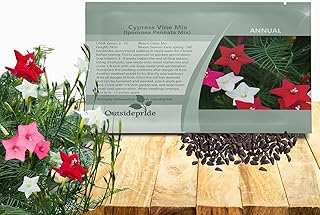
Outsidepride Mixed Cypress Vine Seeds are a practical pick for lightweight seasonal color. The annual vines produce star-shaped, nectar-rich flowers and feathery foliage, making them useful on trellises and pergolas where you want a softer look without committing to a large permanent climber.
Classic Wisteria
These Wisteria Seeds for Planting provide 20 heirloom, non-GMO seeds for gardeners who enjoy growing a perennial climber from the beginning. They require more patience and consistency than rooted plants, but the eventual lavender blooms and classic arbor effect can reward careful training on a properly reinforced pergola.
Frequently Asked Questions
Which pergola vine grows the fastest?
Sky vine is among the faster-growing choices in warm conditions, while Boston ivy can also provide substantial coverage once established. Speed depends heavily on light, temperature, watering, and the length of the growing season.
What is the best vine for a small pergola?
A manageable annual such as cypress vine is often the easiest fit because it delivers seasonal coverage without creating a permanent woody framework. If you prefer perennials, choose a plant you can prune confidently and give it a defined route across the roof.
Can wisteria grow on any pergola?
No. Mature wisteria can become heavy and its stems can be forceful, so it needs a solid, well-anchored structure. Avoid lightweight decorative frames unless the manufacturer specifically rates them for vigorous woody climbers.
How should vines be trained on a pergola?
Install horizontal or vertical supports, guide young stems with soft ties, and distribute growth rather than allowing one crowded bundle. Remove excess shoots early, then prune after flowering or according to the plant’s specific seasonal requirements.
Final Thoughts
For dramatic flowers and quick screening, Thunbergia Grandiflora Sky Vine is a strong contender; for a lighter seasonal display, Mixed Cypress Vine is easier to contain. Choose Purple Wisteria Tree when you have a genuinely sturdy pergola and want a long-term feature, while Boston Ivy offers a classic coverage effect for gardeners prepared to manage its reach.