
Key takeaways
- Gentle curves create a provincial silhouette without overpowering a modest TV wall.
- Warm ivory works with linen, pale stone, and softened floral textiles.
- Closed doors can conceal media accessories when the room serves multiple purposes.
The most inviting country french tv stand ideas combine softly aged finishes, restrained curves, and useful media storage rather than treating every rustic cabinet as French provincial. Choose antique ivory for a bright sitting room, warm oak for an understated interior, or faded blue for a gentle focal point. Whatever the look, the console still needs to support your actual television safely.
As an Amazon Associate we earn from qualifying purchases.
By KK Home Furnishings Editorial Team
Soft Country French TV Stand Ideas for Cozy Living Rooms
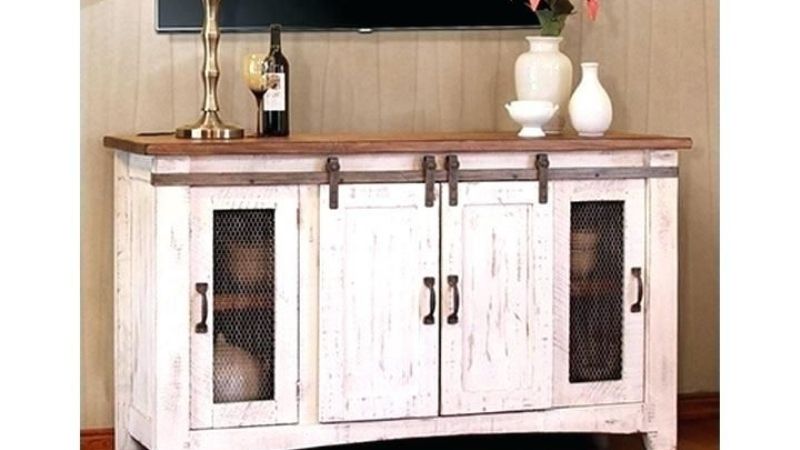
French country style draws much of its charm from the contrast between simple, practical wood furniture and refined detailing. Think gently curved edges, quiet antique colors, and modest carved accents, not the heavy X-braces and exposed barn-door tracks typical of a more overt American farmhouse look. Start with the cabinet’s silhouette; soft textiles and ceramics can come later.
| Idea | Space or Size Needed | Cost Tier | Effort and Time |
|---|---|---|---|
| Antique ivory with scalloped doors | Small to medium light-filled TV wall | Entry to mid design tier | Choose a suitable media-rated cabinet and coordinate fabrics |
| Warm natural oak with curved profiles | Relaxed living room with wood tones | Mid to upper design tier | Check wood construction, cabinet size, and finish care |
| Faded blue with restrained glass panels | Room with low-glare wall position and display storage | Mid design tier | Plan what stays visible behind doors |
| Carved doors and antiqued brass pulls | Wall that can carry a decorative focal cabinet | Mid to upper design tier | Compare door swing, access, and hardware quality |
| Woven cane fronts and natural textures | Open, warmer-toned room with electronics to organize | Mid to upper design tier | Verify ventilation and cable openings for each device |
| Wide provincial sideboard silhouette | Long media wall; check real TV footprint and weight | Upper design tier | Plan delivery, support, anchoring, and shelf space |
1. Antique Ivory Cabinet With Scalloped Door Profiles
Best For: Small traditional living rooms with cream upholstery, soft lighting, and a preference for an unfussy romantic look.
A gently scalloped ivory cabinet adds French character without asking the television wall to become an ornate centerpiece. The soft outline matters more than aggressive distressing: a slight curved apron or subtle routed door edge is enough. Choose this option if you want the warmth of a country home but dislike the metal rails and bold crisscross motifs associated with barn-door consoles.
Look for a purpose-built media cabinet whose product page actually lists television support, usable top depth, and cable access. French-country collections commonly show antique-white finishes, curved legs, and floral details, but decorative console tables may be designed only for lamps and photographs. A similarly styled 43.7-inch accent table listed by August Grove is a console table, not evidence that it safely carries your TV.
Style the cabinet with a faded botanical cushion and a single ceramic vessel placed away from the screen, rather than crowding the top with several matching figurines. Ivory paint can expose scuffs near handles, and heavily carved grooves collect dust. If the walls are already cool white, try a warm ivory cabinet sample beside the existing trim before making it the main piece.
Pros:
- Gentle curves create a provincial silhouette without overpowering a modest TV wall.
- Warm ivory works with linen, pale stone, and softened floral textiles.
- Closed doors can conceal media accessories when the room serves multiple purposes.
Cons:
- Decorative accent tables may lack verified TV support or appropriate depth.
- Light painted edges can show wear where cabinet doors are handled daily.
Who Should Skip It: Choose the warm-oak idea if your room already contains several painted white furnishings and needs natural texture instead.
2. Warm Oak Media Credenza With Quiet Curved Details
Best For: Transitional homes with wood flooring, neutral seating, and a desire for French warmth without an all-white cabinet.
A natural-wood credenza brings the material side of French country into focus. Its appeal comes from restrained curvature, visible grain, and a furniture-like profile instead of a theatrical antique finish. This option works especially well when the surrounding furniture is modern: a soft-edged wooden media cabinet can connect a contemporary sofa with older framed prints or a vintage-style woven rug.
For a documented media-cabinet example, Anthropologie describes its Carroway Media Console as carved white oak reinforced with poplar and engineered hardwood, with covered cord escapes and an adjustable interior shelf. It measures 73 inches wide, 17 inches deep, and 24 inches high. These measurements identify that particular cabinet only; its materials and carved treatment illustrate the direction, not an assumption that every oak credenza is French country.
Check the finished top against the television’s base and rated load before choosing to set the screen directly on the cabinet. Oak veneer, solid oak, and oak-look laminate behave differently when scratched or cleaned; follow the actual product’s care instructions. A narrow vase, aged-brass frame, and a natural linen shade add variety without concealing the carved front that made the piece appealing.
Pros:
- Natural grain creates warmth even when the surrounding room uses modern furniture.
- Carved oak cabinetry can provide a softer alternative to sharp-edged industrial consoles.
- Documented cord exits help distinguish a true media unit from decorative sideboards.
Cons:
- Veneer surfaces may require different scratch-repair methods from solid timber.
- A large carved cabinet can overwhelm a room with limited wall clearance.
Who Should Skip It: Choose a faded-blue painted design if you need an intentional color accent instead of another brown wood surface.
3. Faded Blue Provincial Cabinet With Small Glass Panels
Best For: Homes with cream walls and collectible pottery where a gentle blue-green accent feels more natural than bright color.
Muted blue turns an ordinary TV cabinet into a quiet Provence-inspired accent while keeping the room bright. The strongest version combines a rubbed-back blue finish with simple frame-and-panel doors, reserving limited glass panels for decorative objects that deserve to remain visible. Unlike a whitewashed cabinet, the colored front can balance a large dark television without making the whole wall look monochrome.
Traditional French-country references favor sun-softened blues alongside ivory, warm wood, and simple botanical textiles. Blue alone does not make a unit French provincial; the door proportions, subtle trim, and hardware finish need to support the character. Look for a seller’s real interior-shelf measurements and verify that an electronics bay has accessible openings rather than assuming a glass-door buffet is media-ready.
Place a few blue-and-white ceramics or folded linens behind the glass, not a cluster of glossy devices whose indicator lights distract during a film. Glass reflects lamps and windows, so check sightlines from the sofa at night as well as in daylight. Keep the TV-support decision independent of the style choice: furniture intended only as a display cabinet is not a substitute for a rated media stand.
Pros:
- Faded blue adds contrast while staying compatible with warmer neutral interiors.
- Limited glazing allows favorite objects to become part of the room’s composition.
- Soft painted cabinet profiles suit floral accents without relying on rustic metal tracks.
Cons:
- Glass doors expose clutter and may produce distracting reflections after dark.
- Display-oriented furniture may lack ventilation and stated TV weight ratings.
Who Should Skip It: Choose the carved-door option if visible collections and glass reflections would undermine your preferred tidy media wall.
Statement French Country Cabinets With Practical Media Storage
The next three designs are for readers whose daily media setup needs stronger organization. They use ornamental doorwork, natural weaving, or a sideboard-like shape to give electronics a more traditional setting. The biggest mistake is purchasing an attractive buffet solely because it looks right: storage access, cable routing, and TV ratings must be confirmed for the exact piece, not inferred from decorative photographs.
4. Relief-Carved Doors With Antiqued Brass Hardware
Best For: Formal sitting rooms where closed storage matters and the television cabinet can serve as the main decorative furniture piece.
An ornamental door front provides the strongest nod to French provincial cabinetry of these six ideas. Floral relief, a shallow shaped apron, and aged brass ring pulls suggest older furniture without making the room feel like a period set. This approach is most persuasive when the carving stays on the cabinet; let simpler curtains and seating provide visual relief around the screen.
Retail examples exist: an August Grove French-country-style TV stand listed by Wayfair pairs two hollow-carved storage doors with three center drawers and adjustable shelves. That description confirms a plausible cabinet layout, not a measured load rating or a guarantee of solid-wood construction. Before choosing one, inspect the current listing for actual materials, the top’s rated support, back-panel cord openings, and drawer clearance.
Use the shallow drawers for spare remotes, batteries, and manuals while keeping equipment that produces heat in a location its manufacturer allows. Detailed fronts can catch dust, and ring pulls may bump into doors or nearby furniture during opening. Place the cabinet against a fairly plain wall, then repeat the metal tone once in a picture frame or small lamp instead of mixing several bright metallic finishes.
Pros:
- Carved fronts add traditional character even when the rest of the room stays simple.
- Separate drawers can organize small accessories without exposing every cable or charger.
- Aged brass accents pair naturally with ivory paint and softly colored upholstery.
Cons:
- Ornate grooves and protruding handles need more careful cleaning and clearance.
- Carved appearance alone does not establish material quality or television capacity.
Who Should Skip It: Choose the woven-cane idea when accessible devices and a quieter furniture front matter more than decorative carving.
5. Woven Cane Doors for a Relaxed Provincial Interpretation
Best For: Casual homes that pair linen seating and woven rugs with equipment requiring practical everyday access.
Woven cane makes a French-country-inspired TV wall feel lighter than carved wooden doors, especially when mixed with oak, pale stone, and softly aged hardware. It is not an exact historical provincial reproduction; think of it as a contemporary, countryside-friendly interpretation. A woven panel introduces gentle texture at eye level without relying on painted distressing or floral carving.
Pottery Barn’s Tiburon Cane Media Console offers a concrete functional reference: the published unit measures 60 inches wide, 18 inches deep, and 24.5 inches high, accommodates up to a 60-inch flat-screen TV according to its listing, and specifies a 220-pound top weight capacity. The manufacturer also lists two cord cutouts and an included anti-tip kit. These are model-specific claims, not typical specifications for cane furniture.
Do not equate a textured or woven door with sufficient device ventilation. Keep the clearances required by the exact receiver, router, or gaming system, and make sure cable exits are not pinched behind a shelf. Dust can collect in cane openings, while light wood and fabric soften the look around it. Avoid stacking decorative baskets in front of doors that need regular access.
Pros:
- Woven texture softens a media wall without competing with the TV picture.
- A verified media-console example provides real width, depth, and load information.
- Cabinet doors can conceal accessories while preserving a warm natural-material appearance.
Cons:
- Open-looking woven doors do not automatically meet a device’s cooling requirements.
- Cane surfaces may collect lint and need gentler cleaning than sealed wood fronts.
Who Should Skip It: Choose the provincial sideboard silhouette if your larger room needs a long, structured storage wall rather than organic texture.
6. Wide Provincial Sideboard Silhouette for a Larger TV Wall
Best For: Spacious living rooms with a long uninterrupted wall and enough room for a low, elegant cabinet silhouette.
A long, low sideboard-style media cabinet gives a sizable television a more deliberate furniture setting. Rounded corners, modest carved edges, and understated drawer fronts create a French country direction while leaving the screen visually dominant. Keep the silhouette low rather than surrounding the television with overly tall ornamental display towers; the effect should be a settled living room, not a crowded antique shop.
Choose a product explicitly intended for televisions, even if the most appealing inspiration photo features an antique dining buffet. The cabinet must provide a verified top load rating when supporting the TV, enough usable top width for its actual feet, and cable access that works after placement. Wall-mounted screens also need enough free room for equipment and mounting clearances, even when the furniture below carries no television weight.
For styling, place a single large antique-look earthenware object at one end and a short stack of books at the other, leaving the center clear. A dark bronze finish on handles suits warm wood; pale stoneware offsets an already rich cabinet. Before ordering a long piece, measure hallways, stair turns, doorway openings, and wall outlets, not just the finished wall width shown in a floor plan.
Pros:
- A low horizontal profile visually balances a larger screen and wide living-room wall.
- Drawers and cabinets can split everyday controls from seldom-used accessories.
- Subtle curves and aged hardware provide provincial cues without heavy ornament.
Cons:
- Large cabinets may fail delivery clearances despite fitting the media wall.
- Antique sideboards without TV-specific ratings are not safe substitutes by appearance alone.
Who Should Skip It: Choose the antique-ivory cabinet when a smaller wall needs a lighter and less expansive furniture footprint.
Frequently Asked Questions
Style labels do not establish whether a cabinet is built for a television. The questions below cover practical checks that become easy to miss when an elegant finish or antique-looking silhouette catches your eye. Use the instructions and ratings for your exact TV, media furniture, and wall-mounting system before deciding how to arrange the screen.
How wide should a French country TV stand be for a television with two feet?
The cabinet top must fully support the television’s actual feet and stay within the furniture manufacturer’s published size and weight limits. Screen diagonal alone is not a substitute for measuring the distance between the feet. Check the exact television specification sheet, because two TVs advertised at the same diagonal size can use very different stands.
Mark the television’s footprint on paper and compare it with the usable flat area of the cabinet, accounting for a shaped top or beveled edges. If the feet cannot rest entirely on the approved surface, select another unit or a manufacturer-approved mounting solution rather than balancing them on the cabinet’s decorative trim.
Can I use an antique French dresser or buffet as my television stand?
An antique buffet is attractive inspiration, but it should not automatically be used as a TV stand. The U.S. Consumer Product Safety Commission recommends placing TVs only on furniture designed to support them and securing TVs and furniture against tip-over. Older cabinets rarely arrive with the kind of clearly documented TV ratings a modern media unit should provide.
If you already own an antique piece, consider displaying it elsewhere in the room and placing the TV on an approved console or wall mount. Avoid drilling into valuable old furniture or guessing its capacity from the weight of its solid-wood body. Decorative age, apparent sturdiness, and suitability for electronic equipment are different questions.
How can renters get a French country look without replacing their media cabinet?
Renters can use removable styling choices rather than structural alterations: a small vintage-style framed print, a linen lampshade placed safely away from equipment, and a pale ceramic bowl can soften a plain console. Choose muted colors and one antique-metal accent rather than layering several unrelated decorative themes over the existing furniture.
Keep decorations out of the screen’s viewing area and away from vents. If a television or cabinet needs restraint, ask the landlord about permitted and approved anchoring before proceeding; peel-and-stick decoration is not a replacement for structural safety hardware. The goal is a reversible room update that leaves essential support and airflow unchanged.
Which French country TV cabinet details may increase upkeep costs?
Deep carving, woven cane, pale painted edges, and delicate glass panels generally demand more careful day-to-day cleaning than a flat sealed cabinet door. A heavily distressed finish may conceal certain marks but can also be difficult to match during repairs. The real maintenance question is whether the surface can be cleaned and touched up according to the maker’s instructions.
Before purchasing, ask whether replacement pulls, hinges, and shelf pins are available, and compare any warranty coverage for those parts against the finish itself. A moderately ornamented media-rated cabinet with accessible hardware can be a better long-term fit than a more elaborate piece whose opening mechanisms or finish are difficult to maintain.
Final Thoughts
Before ordering, place a full-width cardboard outline of the proposed cabinet against the TV wall for a day and look at it from the main seat and nearby doorway. This simple visual check can expose a mismatch that finish samples cannot: an ivory provincial piece may look ideal in a catalog yet block a passage, while a long oak console may fit better than expected. Choose the French detailing only after the actual media support, access, and room circulation work.









