
Key takeaways
- A firmer surface can make a too-soft bed usable, but only if the topper truly fits a Full and only if the problem is feel, not a failing core. A good extra firm full size mattress topper lists Full dimensions…
A firmer surface can make a too-soft bed usable, but only if the topper truly fits a Full and only if the problem is feel, not a failing core. A good extra firm full size mattress topper lists Full dimensions and an Extra Firm option, so you are changing the surface rather than papering over a sagging mattress.
As an Amazon Associate we earn from qualifying purchases.
By KK Home Furnishings Editorial Team
How to Choose an Extra Firm Full Size Mattress Topper
A topper is a surface fix, so judge it on fit, firmness, and material, and be clear about what it cannot repair. The criteria below start with the Full and Extra Firm variant and what firmness labels really mean, then cover thickness and material, and the trial terms that protect a purchase you buy mostly by feel.
Full Size and Extra Firm Variant
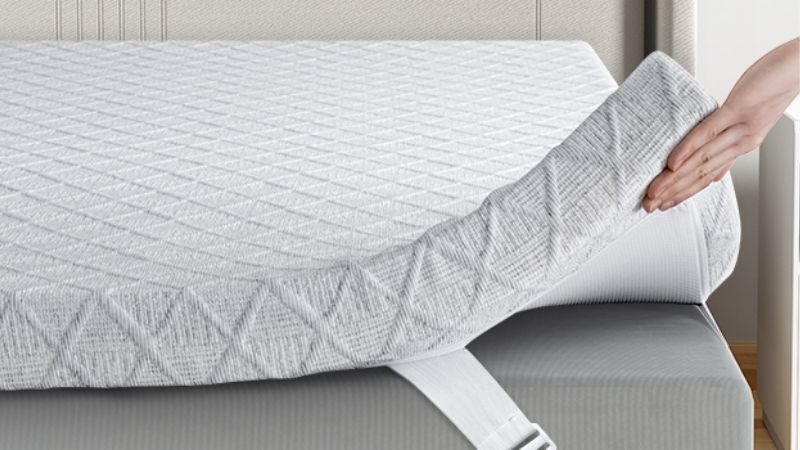
Start with fit and firmness, since both are easy to get wrong online. A Full topper should measure about 54 by 75 inches, as the Dyonery and Vipbear both list, so confirm the listing shows Full rather than Queen before buying. Then confirm the Extra Firm option specifically, since many lines sell softer versions under the same name.
Extra Firm labels are not comparable between brands, so one maker’s Extra Firm can feel like another’s Medium Firm. Treat the label as a starting point, not a precise grade, and lean on material and reviews of feel rather than the word alone. Where a brand offers a firmness scale, use its own scale rather than cross-comparing.
Match the firmness to why you want it. A too-soft bed that leaves your hips sinking benefits from a genuinely firm surface, while a bed that is merely a little plush may need only a mild lift. Buying the firmest option for a bed that is already supportive can leave the surface uncomfortably hard rather than better.
Thickness and Feel
Thickness changes feel and height, but more is not automatically firmer. These run two to four inches, with the Turmerry offering a range and the budget foam toppers at three inches. A thicker topper adds cushion and raises the bed, while a thinner one changes the surface less; the material matters as much as the inches.
Add the topper’s height to your mattress and base, since a three-inch topper noticeably raises the sleep surface and can affect how fitted sheets fit. Deep-pocket sheets may be needed once a topper is added, so measure the new total height and confirm your sheets still tuck, a small detail that is easy to overlook until laundry day.
A firmer, thicker topper also shifts how a mattress sleeps for a partner, so test the feel if you share the bed. Because feel is personal and firmness labels vary, a sleep trial is the real test; judge the topper by how your hips and shoulders settle over a week, not by how it feels for a minute when new.
Material and Off-Gassing
Material drives durability and feel. The Turmerry uses organic latex, which tends to be resilient and naturally firmer-feeling, while the budget options are foam, which is cheaper and lighter but can soften sooner. Latex generally holds its shape longer than budget foam, though it costs more and weighs considerably more to handle and rotate.
New foam and latex can give off a noticeable smell for the first few days, and how strong it is depends on the material, the room, and ventilation. Unroll a new topper in a ventilated room and let it air before sleeping on it; the odor usually fades, and foam sold in the US is commonly tested for emissions.
Check for a material or emissions certification where it matters to you, treating it as a safety and content check rather than a firmness rating. A certification confirms what the foam is made of and that it meets emissions limits, but it says nothing about how firm or durable the topper will feel under your body.
Trial, Warranty and What a Topper Cannot Fix
Because you buy a topper largely by feel, trial terms matter. The Turmerry, for example, pairs a 120-night trial with a five-year warranty, which lets you judge firmness over weeks rather than minutes. Favor a topper with a real trial, since a firmness label alone cannot tell you how a surface will suit your body.
Be realistic about what a topper does: it changes the surface feel only. It cannot lift a sagging, structurally failed mattress core, so if your bed dips in the middle, a firm topper sits on top of the dip rather than removing it. The fix for a collapsed core is a warranty claim or a new mattress, not a topper.
Weigh the recurring cost and lifespan. A budget foam topper is cheap but may soften within a couple of years, while latex lasts longer at a higher price, so factor replacement into the decision. Keep the topper clean with a protector, since stains can void a warranty and shorten the useful life of either material.
Top Picks
Each pick leads with the two things that define an extra firm full size mattress topper, a true Full size and a verified Extra Firm option, plus the trade-off worth knowing. Remember a topper changes surface feel only; if your mattress sags in the middle, none of these will fix the core underneath them.
| Product | Best For | Key Spec | Watch Out For |
|---|---|---|---|
| Turmerry Organic Latex | Best overall | 2–4 in; Extra Firm; 120-night trial | Latex is heavier and pricier than foam |
| Dyonery 3-in | Best value | 54×75×3 in; Extra Firm | Extra Firm label differs by brand |
| WEUP TOP15 | Best for a firm 3-in layer | Full 3 in; Extra Firm | Foam may soften sooner than latex |
| Vipbear 3-in | Best for a firmer surface | 54×75×3 in; Extra Firm | Air out new foam before first use |
Turmerry Organic Latex: Best Overall
The Turmerry Organic Latex topper takes the top slot for material and terms, offering an Extra Firm option in two-to-four-inch thicknesses with a 120-night trial and a five-year warranty. It suits sleepers who want a durable, genuinely firm surface. It sits in the premium tier, so confirm the current price before ordering.
Its advantage is resilient latex that tends to hold its shape and firmness longer than budget foam, backed by a trial long enough to judge the feel over weeks. Pick the thickness to match how much firmness you need, and remember a thicker topper raises the bed, so confirm your fitted sheets still reach the new height.
The honest downside is weight and price: latex is heavier to handle and rotate and costs more than foam, and its Extra Firm feel still differs from other brands’ labels. Air it out when new, use a protector to guard the warranty, and remember even this topper changes only the surface, not a sagging mattress core beneath it.
Dyonery 3-in: Best Value
The Dyonery three-inch topper is the value pick, a true Full at 54 by 75 by 3 inches in an Extra Firm option at the lowest entry here. It suits a too-soft Full that needs a firmer surface on a budget. It sits in the budget tier, so verify today’s price before choosing it over the pricier latex.
Its strength is a simple, affordable firmness lift in the correct Full size, which is often all a slightly soft bed needs. Confirm the listing shows Full rather than Queen, and add the three inches to your bed’s height so your fitted sheets still fit once the topper is in place and the bed is made up.
The trade-off is that its Extra Firm label is the brand’s own and may feel different from another maker’s, and budget foam can soften sooner than latex. Air it out when new to clear any initial odor, use a protector, and keep expectations set to a surface change rather than a cure for a dipping core.
WEUP TOP15: Best for a Firm 3-in Layer
The WEUP TOP15 is the pick for a straightforward firm layer, a Full three-inch topper in an Extra Firm option. It suits a sleeper who wants a defined three inches of firmer surface without stepping up to latex. It sits in the budget-to-mid tier, so confirm the current price before ordering it for your bed.
Its advantage is a consistent three-inch firm layer at a modest price, a sensible middle ground between the thinnest and the premium options. Confirm the Full dimensions, and factor the added height into your sheets, since three inches changes how deep the fitted corners need to reach once the bed is made.
The caveat is material: as foam, it can soften sooner than latex, and its Extra Firm feel is the brand’s own rather than a universal grade. Unroll and air it in a ventilated room before first use, protect it from stains to keep any warranty valid, and treat it as a surface fix rather than core support.
Vipbear 3-in: Best for a Firmer Surface
The Vipbear three-inch topper rounds out the picks for a firmer surface, a true Full at 54 by 75 by 3 inches in an Extra Firm option. It suits a soft Full bed that needs a firmer top without a big outlay. It sits in the budget-to-mid tier, so confirm the live price before buying it for a too-plush bed.
Its strength is delivering an Extra Firm three-inch surface in the correct Full size, which is exactly what a too-plush bed usually needs. Confirm Full rather than Queen on the listing, and add the thickness to your bed height so your sheets still tuck, checking the total against any adjustable base you may use.
The honest caveat is the usual pair for budget foam: the Extra Firm label differs by brand, and new foam can carry an initial smell, so air it out before sleeping on it. Use a protector to extend its life, and remember it refreshes the surface only and will not lift a mattress that has sagged in the middle.
Frequently Asked Questions
Shoppers adding a firmer surface ask the same questions about fit, feel, and limits. Each answer below opens with the short version, then the condition that changes it, so you can match an extra firm full size mattress topper to your bed and your body rather than to a firmness label that means different things by brand.
Can an extra-firm topper fix a sagging mattress?
No. A topper changes only the surface feel, so it cannot lift a mattress that has sagged in the middle, where the core has structurally failed. A firm topper laid over a dip simply follows the dip, giving a firmer feel on an uneven base rather than restoring the flat support the bed has lost.
The deciding factor is what is actually wrong. If the bed is merely too soft but still flat and supportive, a firmer topper genuinely helps; if it dips where you sleep, that is a core problem a surface layer cannot solve. Press along the mattress to tell the difference before spending on a topper.
When a mattress sags past its warranty threshold, the right fix is a claim or a new mattress, not a topper. Using a topper to mask a failing core only delays the inevitable and can mask the sag that would otherwise support a warranty claim, so address the core first and add a topper later for feel.
How thick should an extra-firm topper be?
It depends on how much change you want, not on firmness alone. These run two to four inches; a thinner one nudges the surface firmer while a thicker one adds more cushion and lift. More thickness is not automatically firmer, since the material and density matter as much as the inches stacked on the bed.
Factor in height. A three-inch topper noticeably raises the sleep surface, which can affect how fitted sheets fit and how high you sit getting in and out. Add the topper’s thickness to your mattress and base, and confirm your sheets still reach, since deep-pocket sheets are often needed once a thick topper goes on.
Choose by the bed you have. A slightly plush mattress may need only a thin, firm layer, while a markedly soft one benefits from more thickness in a firm material. Pair the thickness with a material that holds its shape, and use any trial period to confirm the surface suits your hips and shoulders over a week.
Is one brand’s Extra Firm like another’s?
No. Extra Firm labels are not comparable between brands, so one maker’s Extra Firm can feel like another’s Medium Firm. There is no shared scale, so the same words describe different feels. Treat the label as a rough starting point and lean on the material, density, and feedback about feel rather than the word by itself.
Material is a better clue than the label. Latex tends to feel resilient and genuinely firm, while budget foam can feel firm when new and soften over time, so two toppers both called Extra Firm can diverge within months. Where a brand publishes its own firmness scale, use that scale rather than cross-comparing to a rival.
Because feel is personal and labels vary, a trial period is the real test. The Turmerry’s 120 nights, for instance, lets you judge the actual firmness over weeks; favor a topper with a trial so an Extra Firm that turns out too hard or too soft for you can be returned rather than lived with.
Does a new mattress topper smell?
It can, briefly. New foam and latex often give off a noticeable odor for the first few days, and how strong it is depends on the material, the room, and ventilation. The smell usually fades with airing, so unroll a new topper in a ventilated room and let it breathe before putting sheets on it.
The intensity varies by material. Budget foam tends to off-gas more noticeably than natural latex, though latex has its own mild scent, so expect some odor from any new topper. Giving it a day or two in fresh air clears most of it, and a mattress protector over the top helps contain any lingering trace.
If a strong smell persists well beyond a few days, that is unusual and worth raising with the seller. Foam sold in the US is commonly tested for emissions and content, which is a safety and content check rather than a comfort rating, so a certification does not promise the topper will be odor-free on day one.
Final Thoughts
The right extra firm full size mattress topper is the one that truly fits a Full and whose firm feel, judged over a trial rather than a label, suits your body. Before ordering, press along your mattress to confirm the problem is a soft surface and not a sagging core, since a topper refreshes the feel but cannot rebuild support the mattress has lost.
