Key takeaways
- A heated mattress pad adds electric warmth, while a conventional topper changes the feel of a mattress. Choose the heated pad when your bed feels cold but comfortable. Choose a topper if the surface lacks cushioning. The heated mattress pad…
A heated mattress pad adds electric warmth, while a conventional topper changes the feel of a mattress. Choose the heated pad when your bed feels cold but comfortable. Choose a topper if the surface lacks cushioning. The heated mattress pad vs topper choice depends on whether you need warmth or a different sleeping surface.
As an Amazon Associate we earn from qualifying purchases.
By KK Home Furnishings Editorial Team
Heated Mattress Pad vs Topper: The Main Differences
These products are often confused because both sit near the mattress surface, but they have fundamentally different jobs. A typical heated mattress pad is a thin electrical bedding item intended to produce adjustable warmth; a conventional topper is a thicker non-powered comfort layer. Neither automatically replaces the other. Here is the comparison that matters before shopping.
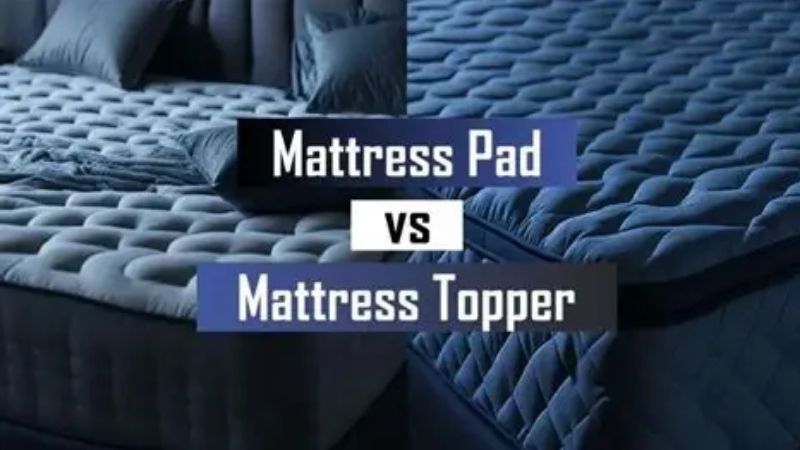
The table describes common designs, not guarantees about every model. In particular, a product sold as a “heated mattress topper” may combine warming components with cushioning. Its construction and instructions—not the marketplace label—determine which functions it actually provides.
| Decision Point | Heated Mattress Pad | Conventional Topper |
|---|---|---|
| Primary purpose | Add controllable warmth from the bed surface | Modify cushioning, contour, firmness, or surface feel |
| Source of warmth | Electrical heating element and compatible controller | Body heat retention or passive insulation; no electrical heat in a standard topper |
| Typical construction | Relatively thin fabric pad with integrated heating system | Thicker foam, latex, wool, feather, or fiberfill layer |
| Change to mattress feel | Usually modest; not designed to fix firmness | Often noticeable; depends on material, thickness, and firmness |
| Main trade-off | Requires electricity and strict model-specific use conditions | Adds bulk and may change airflow, sinkage, or sleeping temperature |
| Routine care | Controller and electrical components need specific care instructions | Varies by core and cover; many foam cores are not machine washable |
| Best starting point | Bed is comfortable but too cold | Bed temperature is acceptable but surface comfort needs adjustment |
Active Heat Is Different From Passive Insulation
A heated mattress pad uses powered warming components controlled by a device designed for the matching bedding system. Its warmth generally arrives from below the sleeper. Sunbeam describes this as a stationary alternative to an electric blanket, which warms from above [Sunbeam, “Heated Mattress Pad vs. Heated Blanket,” accessed October 2026]. The actual heat settings, zones, and operating limits are specific to the model.
A wool, feather, or foam topper cannot be turned up like an electric pad. It may help the bed feel warmer by changing how it retains your own body heat, but it does not generate heat on demand. This difference matters in a cold bedroom: added insulation can feel inviting once you are in bed, yet it cannot prewarm cold sheets on a timed schedule. Conversely, controllable heating cannot create the deep cushioning of a thick topper.
A Topper Changes Cushioning; a Heated Pad Usually Does Not
A topper is intended to change the contact surface. Memory foam tends to contour more closely, latex often feels more responsive, and wool or feather designs tend to add a less structured layer of softness [Sleep Foundation, “Mattress Pad vs. Mattress Topper,” updated January 2023]. Thickness and construction matter: a substantial foam topper can alter how deeply you sink, while a thin quilted pad is unlikely to transform a very firm mattress.
An electrically heated mattress pad may have padding, but its core function is temperature control, not a new mattress comfort system. If a hard surface is the main complaint, buying heating controls will not reliably solve it. Also, a topper cannot restore a mattress with major structural sagging or broken support. A visibly uneven mattress may need repair or replacement instead of another layer [Sleep Foundation, Mattress Topper Research Methodology].
Temperature Feel Depends on Materials and the Sleeper
“Warm” and “cool” are not fixed ratings for topper materials. Conventional memory foam often conforms closely and can retain more body heat, while some ventilated latex and wool designs are chosen for breathability and temperature regulation [Sleep Foundation, Cooling Mattress Topper Guide; Mattress Topper Research Methodology]. Covers, sheets, room conditions, and individual preferences can change the result. A gel label by itself does not prove that a topper will sleep cooler.
The heated pad provides a different kind of control because it can add electricity-powered warmth when the model allows. That does not guarantee that it feels equally warm in every bed arrangement, and it is not automatically suitable for a heat-sensitive foam surface. Tempur-Pedic specifically advises against electric blankets or heating pads with its TEMPUR-material mattress toppers because added heat can affect the material’s intended response [Tempur-Pedic, Product Care, accessed October 2026]. Its policy is brand-specific, not a rule for all foam toppers.
Which Should You Choose? Six Real-World Situations
Think about whether the mattress already feels comfortable and whether the bedroom temperature or the surface feel is the real problem. These situations give a practical starting choice without pretending every sleeper has the same needs. They also identify when neither product is likely to be the correct fix. Detailed wiring, fitted-sheet order, and placement belong in the separate placement guide.
Situation 1: Your Bed Is Comfortable but Cold at Bedtime
If the mattress feels supportive and the only complaint is entering cold bedding, a heated mattress pad is the more direct tool. It produces warmth instead of relying on passive insulation. Some models provide selectable settings or two independently controlled sides, but verify those features on the exact product listing and manual rather than assuming they are included. A passive topper may feel warmer over time yet cannot deliver the same powered prewarming function.
A non-electric solution may still be sufficient: change to seasonally appropriate sheets, a warmer comforter, or a wool layer if you want to avoid an electrical product. Before buying a heated pad, check the bed manufacturer’s restrictions and whether the intended user is eligible under the pad manual. Do not treat a cold bedroom alone as proof that active heat is necessary. The main benefit here is a change in the bed’s temperature, not its firmness.
Situation 2: Your Mattress Is Too Firm but Not Too Cold
Choose a topper when the complaint is a hard or uncomfortable contact surface. A compatible foam or latex topper can introduce cushioning and alter how the shoulders and hips interact with the mattress. The appropriate construction depends on sleeping position, the mattress beneath it, and whether you prefer close contouring or a buoyant response. A thin electric pad does not have the depth to perform the same job.
Do not assume that thicker always means better. Excessively soft cushioning can let a sleeper sink further than preferred, and some foam types feel warmer because they surround more of the body. Look for the topper’s material, declared thickness, cover design, and return terms rather than a vague “orthopedic” promise. Those specifications are useful for comparing surface feel; they should not be presented as a medical treatment or a guarantee of pain relief.
Situation 3: You Want a Softer Bed and Also Feel Cold
It is tempting to buy both products and stack them immediately. That combination is not automatically permitted. An electrical heating layer changes the thermal environment around a topper, while a thick topper can change how warmth moves toward the sleeper. Read the heater’s approved-bedding instructions and the topper or mattress warranty and care rules before considering any combined setup. Do not improvise an arrangement based on which layer seems thinnest.
The material-specific warning is particularly important with TEMPUR-material: Tempur-Pedic discourages electric blankets and heating pads with its mattress toppers [Tempur-Pedic, Product Care]. This does not establish that all latex, polyurethane foam, or wool toppers must avoid every heated pad. It establishes that compatibility needs positive confirmation for the actual products. If either maker prohibits the arrangement or you cannot verify it, choose one product or use non-powered warmth instead. Detailed layer ordering is covered separately in the placement article.
Situation 4: Two People Have Different Sleep Preferences
If one partner wants a warm bed and the other prefers no heat, some queen- or king-size heated pads with independent zones may offer separate electrical settings. That addresses warmth preferences, not firmness. The partner who wants a plush feel and the partner who likes a firmer surface still have a cushioning problem. A split topper or other mattress comfort adjustment may be a better category to consider for that difference.
The two decisions should be made separately: first check whether the existing mattress supports both sleepers adequately, then decide if adjustable heat is useful and permitted. Avoid making an entire bed warmer just to satisfy one side. Check controller count, zone design, bed size, and power-cord routing in the specific manual. No generic “dual control” phrase proves that a pad works with a split adjustable base or other specialized sleep system.
Situation 5: You Sleep Hot or Want Better Seasonal Flexibility
If you already wake up too warm, an additional active heating system is unlikely to be your first purchase. Consider whether the bedding traps heat, whether the room is warm, and whether the topper material restricts airflow. Ventilated latex, wool, and some breathable fiber designs can offer a different temperature feel than dense foam, but the outcome depends on the whole bed [Sleep Foundation, “Best Cooling Mattress Toppers”; Tempur-Pedic, “My Topper Sleeps Hot”].
A topper that feels comfortable in winter may be less pleasant in summer if it adds insulation or deep sinkage. The point is not that one fiber is universally “coolest.” A shopper who changes bedding seasonally may value a removable, lighter topper or a different sheet set rather than electrically heating the mattress. If you want both comfort adjustment and seasonal temperature changes, evaluate each requirement on its own instead of choosing by marketing phrases such as “all-season thermal technology.”
Situation 6: The Mattress Is Sagging or the Bed Has Special Restrictions
Neither product is a dependable repair for pronounced sagging, broken support, or a defective mattress foundation. A topper can mask some discomfort temporarily, but it cannot reliably rebuild the support underneath it [Sleep Foundation, Mattress Topper Research Methodology]. A heated pad is even less relevant to a structural problem. Before paying for either, inspect the mattress condition, warranty, foundation, and frame to identify whether the base problem requires a replacement.
A mechanically adjustable bed, a specialty foam mattress, or a manufacturer-restricted sleep system adds a compatibility decision that should happen before shopping for heat. Check the exact pad, mattress, and topper documentation instead of assuming anything that fits can safely be combined. If the required information cannot be found, keep powered bedding off the bed until the manufacturers clarify it. This is a buying-screening question, not an invitation to bypass fit or safety instructions.
Frequently Asked Questions
These questions cover terms and purchase trade-offs that the comparison table does not answer by itself. They are designed to clarify what is being sold, what you should expect from each category, and how to assess the bedroom setup without repeating a full heated-pad installation tutorial.
Is a Heated Mattress Topper the Same as a Heated Mattress Pad?
Not necessarily. Sellers sometimes call a quilted electric mattress pad a “heated mattress topper,” even when it provides little additional cushioning. Another product may have a more substantial cushioned structure as well as a warming component. The sales name alone does not identify thickness, heating construction, or the permitted bedding arrangement. Compare the manufacturer’s product category, construction details, rating label, and owner’s instructions.
If a listing uses both terms, look for a documented electrical controller and actual cushioning specifications. Do not infer that a heated topper has the softness of a memory-foam topper merely because the word “topper” appears in the title. Conversely, do not describe every topper as unheated without checking its components. This comparison uses “topper” to mean a conventional non-powered comfort layer unless otherwise stated.
Will a Regular Mattress Topper Make a Cold Bed Warmer?
It may make the bed feel more insulated, especially when the materials reduce heat loss, but the effect is passive and varies by construction. Wool can help regulate comfort across different seasons, while a dense foam design may retain more body heat [Sleep Foundation, “Mattress Pad vs. Mattress Topper”; Best Cooling Mattress Toppers]. Neither result is the same as controllable warmth delivered by electrical heating elements.
If your priority is a warm feeling when first climbing into bed, changing sheets and comforters may be a simpler trial than replacing the topper. If you prefer a thicker, softer sleep surface as well, choosing a topper for its feel may still be worthwhile. No single GSM, thickness, or fiber label guarantees a target bed temperature, so avoid treating generic product marketing as a measurable thermal promise.
Is an Electric Mattress Pad the Same as a Therapeutic Heating Pad?
No. A heated mattress pad is designed as a full-bed bedding appliance for the purposes and locations stated in its manual. A therapeutic heating pad is typically a smaller product meant for localized application, with separate use instructions and restrictions. Sunbeam identifies the mattress-pad category as electric bedding for stationary warmth [Sunbeam, “Heated Mattress Pad vs. Heated Blanket”]. These products are not interchangeable simply because both contain electrical heaters.
Never put a general-purpose therapeutic heating pad beneath your body and call it a mattress pad. Many therapeutic devices prohibit sitting or lying on the unit, and a different enclosure does not change its designed limits. Buy a product intended for the setting you need, retain its matching control, and follow its own manual. This is especially important if an online listing omits a clear manufacturer or confuses the two categories.
Do I Need Both a Mattress Protector and a Topper?
They serve different roles. A protector primarily helps shield the mattress from spills and dirt, whereas a topper is purchased to alter the surface feel. Depending on the design, a protector may be thin and relatively unobtrusive or may change breathability. Neither should be mistaken for a powered heated mattress pad. Tempur-Pedic, for instance, discusses its protectors and toppers separately and notes that extra mattress-pad layers can affect how its TEMPUR-material responds [Tempur-Pedic, Product Care and Mattress Pad FAQ].
Whether to combine them depends on the mattress and accessory instructions, the fit of the fitted sheet, and any restrictions on adding layers. With powered bedding involved, obtain a documented compatible arrangement rather than assuming the protector can go anywhere. A non-powered topper purchase does not require buying a heated pad, and a mattress protector is not a substitute for a pad’s safety system or its manufacturer-required configuration.
Final Thoughts
For a heated mattress pad vs topper decision, match the purchase to the complaint. Buy the heated pad for model-approved controllable warmth when the mattress already feels right; buy a conventional topper when surface cushioning, contouring, or firmness needs adjusting. Neither fixes a worn-out mattress, and combining active heat with a topper requires specific manufacturer permission. Choose the function first, then check the product’s material, labels, and limitations before changing your bed.