Start by finding where your bed loses warmth: icy sheets at bedtime, a cold mattress beneath you, or air moving across the covers. The simplest way to learn how to keep bed warm is to fix that specific problem with dry, comfortable fabrics and less exposure to drafts. When the room is already comfortable, you may not need additional whole-room heating just to make the sleeping surface feel inviting.
As an Amazon Associate we earn from qualifying purchases.
By KK Home Furnishings Editorial Team
Identify Why Your Bed Feels Cold
Do a quick check before buying heavier bedding. Sit on the bed and notice whether the chill comes from the sheet touching your skin, the mattress under your weight, or moving air near your pillow. Then consider when the discomfort starts. A bed that feels cold only as you climb in needs a different fix from one that loses warmth several hours later.

| What You Notice | Likely Issue to Check | First Practical Fix | What Not to Assume |
|---|---|---|---|
| Sheets feel cold when you get in | Cool contact fabric after an unoccupied day | Try dry flannel sheets or briefly warm clean bedding before making the bed | A cold first touch does not mean the room needs more heat |
| Chill seems to rise through the mattress | Thin contact layer, exposed base, or cold sleeping surface | Check protector fit and consider an ordinary quilted mattress pad | Do not assume an electric pad is suitable for every mattress |
| The bed warms up, then feels chilly later | Cover shifting, insufficient loft, or exposed edges | Check whether the main cover stays over shoulders and sides | More layers are not automatically better |
| One edge of the bed is consistently cold | Window draft or contact with a cold wall | Check window seals, close curtains, or move the bed slightly | A heavier comforter will not repair an air leak |
| Bedding starts warm but becomes clammy | Moisture from damp laundry or trapped perspiration | Use thoroughly dried bedding and adjust overly warm sleepwear | Wet or clammy fabric is not solved by adding weight |
| One sleeper is cold and the other is warm | Different preferences in the same sleeping space | Allow each person independent coverage | One shared temperature setting may not suit both |
Check Whether the Chill Is Immediate or Happens Later
Touch the sheet before bedtime, then notice how it feels after you have rested on it for a short while. Cool cotton percale can feel crisp at first contact, while brushed flannel often feels less chilly. That is a difference in surface feel, not evidence that one sheet will hold a particular temperature all night. Keep the test simple: change one factor and judge comfort for yourself.
If your bed becomes comfortable once you are settled, prioritize the initial contact surface rather than changing every cover. If you stay cold after the bedding has warmed around you, inspect coverage and drafts. This distinction matters for a winter household where central heating may already be adequate but the untouched bed still feels unwelcoming.
Look for Air Movement Around the Headboard and Bed Edges
Check the window nearest your pillow, exterior-wall corners, and the gap below a bedroom door. A noticeable breeze near your shoulders can make a warm comforter feel ineffective when it shifts. Use your hand to locate moving air without holding a flame near curtains. A window that looks closed can still have worn weatherstripping or a poorly seated latch.
The U.S. Department of Energy recommends weatherstripping and suitable window coverings to reduce winter air leakage [U.S. Department of Energy, 2022]. This is a room-envelope fix, not a bedding trick. You can move the bed out of the direct draft for immediate relief, then address the leak properly without blocking window access or a safe path out of the room.
Check for Damp Fabrics and a Cold Contact Surface
Run your hand over the fitted sheet, pillowcase, mattress protector, and sleepwear. Laundry that was put away before it dried thoroughly may feel cool or clammy. If the sheet is dry but the mattress surface feels unpleasant, check that the protector is lying flat and has not bunched into ridges. A rough or damp contact layer can spoil an otherwise warm bed.
Also look at the bed base. A thin mattress on an exposed frame may feel different from a bed with a thicker comfort layer, but the frame material alone does not predict sleeping temperature. Focus on an appropriate contact surface and unobstructed ventilation around the mattress. Do not seal a damp mattress beneath plastic or improvised insulating material.
How to Keep Bed Warm in Six Common Situations
Choose the adjustment that matches the problem rather than making every part of the bed thicker. The following six situations cover cold contact fabrics, chilly mattress surfaces, overnight gaps in coverage, drafts, clammy bedding, and shared beds. They also distinguish passive insulation from powered heating, which requires its own product-specific precautions.
If the Sheets Feel Icy When You First Get In
Replace a crisp-feeling sheet with a clean, dry brushed flannel option if you like its texture. You can also tumble a removable sheet briefly in a household dryer according to its care label and put it on the bed promptly. This only offers temporary comfort; it does not make the fabric generate heat throughout the night. Avoid placing hair dryers, irons, or other improvised heaters inside the covers.
Flannel is often made of cotton, so comparing it with cotton alone does not explain the difference. Its brushed surface changes how the fabric feels against skin. Sleep Foundation notes that flannel is a popular choice for winter sheets, while percale generally feels crisper [Sleep Foundation, 2025]. Start with the contact surface, especially when the rest of the bedding already keeps you comfortable once you settle in.
If the Mattress Seems to Pull Warmth Away From Your Body
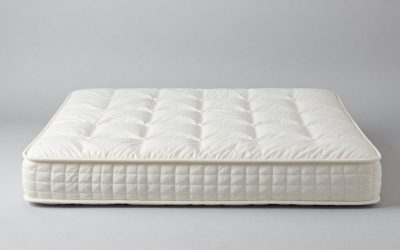
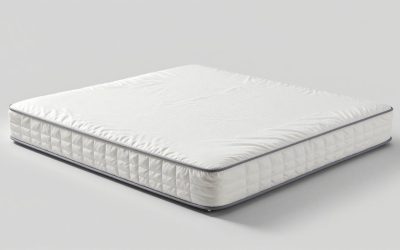
Try a standard, non-electric quilted mattress pad that fits securely beneath the fitted sheet, if your mattress maker allows one. A comfortable pad can change the immediate surface feel without requiring a new mattress. Confirm the pocket depth and follow the pad’s cleaning instructions; a sliding or lumpy pad can create more discomfort than the original sheet.
Do not assume a heated mattress pad can be used on every foam mattress, topper, or adjustable bed. Heat limits and compatibility vary by mattress and heating-pad model, and an ordinary quilted pad is not the same product as a powered bed warmer. For mattresses with specific warranty or temperature cautions, use the manufacturer’s current instructions rather than treating a generic bedding tip as permission.
If the Bed Feels Warm at First but Cools Overnight
Notice what has changed by the time you feel cold. If the top cover has slipped away from a shoulder or left a gap beside the mattress, re-center it and check its actual width and loft. If the fill has shifted into clumps or flat patches, redistribute it according to the care label. More weight is a poor substitute for a cover that stays where you need it.
A comforter should have enough usable coverage for the sleeper and mattress, but labels such as queen and king do not guarantee identical dimensions across brands. Compare the listed measurements rather than guessing by bed size. This is a coverage check, not a repeat of a bedding-layering tutorial: leave the basic order of sheets and covers alone until you know whether an exposed gap is responsible.
If a Window or Outside Wall Makes One Side Cold
Close curtains when outdoor temperatures drop and check whether the window shuts firmly. If the bed sits against an exterior wall, try a little separation between the headboard and the cold surface if the room layout allows it. A draft that reaches the pillow or shoulder area may be more disruptive than a cool-looking but still room-temperature mattress.
For recurring drafts, inspect worn weatherstripping and ask the property owner or a qualified professional about repairs when appropriate. The Department of Energy describes air sealing and window treatments as ways to improve cold-weather comfort [U.S. Department of Energy, 2022]. In a rental, use solutions permitted by the lease; never seal an emergency exit or obstruct required room ventilation.
If You Wake Up Sweaty and Then Feel Cold
Change out of damp sleepwear and use clean, dry bedding rather than adding a thick blanket over the moisture. If the problem regularly starts after you pull a heavy cover close around your neck, try a less insulating cover and make sure the room has normal ventilation. Damp fabric against skin can feel uncomfortable even when the blanket above it is substantial.
A heavier winter comforter is not automatically a better solution to every cold-night complaint. Different sleepers respond to warmth and moisture differently, and comfort depends on more than fiber labels. If you have unexplained, persistent, or drenching night sweats, discuss them with a health professional rather than attempting to solve a possible health concern solely by changing bedding.
If Two Sleepers Need Different Amounts of Warmth
Use two separate top covers or give the cooler sleeper a personal throw that can be removed independently. Each person can then adjust coverage without dragging one shared comforter to the other side. When shopping for separate covers, measure the available sleeping space first so the pieces can overlap gently without leaving a cold seam down the center.
If considering an electric blanket or heated mattress pad for one sleeper, check the exact manufacturer’s instructions, the mattress compatibility, and the item’s safety labeling first. Electrical Safety Foundation International warns against folding active electric blankets, placing other items on top of them, and using extension cords [ESFI, accessed Oct 2026]. A timer or automatic shutoff does not override those precautions or make every setup safe.
Frequently Asked Questions
Some common shortcuts seem convenient but do not address the actual cause of a cold bed. Before using a portable heater, covering a powered blanket, buying an oversized comforter, or adding insulation around the bed frame, check how that change affects safety, coverage, and day-to-day comfort. These answers handle cases that are easy to overlook when focusing only on sheet fabric.
Can You Point a Space Heater Toward the Bed to Warm It?
No. A portable space heater should not be used to heat bedding directly. Electrical Safety Foundation International says space heaters are not intended to warm bedding and should be kept away from combustible materials [ESFI, accessed Oct 2026]. Use the heater, if needed, only as directed for room heating and always follow its clearance, supervision, and electrical requirements.
Keep a portable heater on a stable floor surface, plug it directly into a wall outlet, and turn it off before going to sleep. Do not set one on the mattress, put it beneath a bed, or aim hot air into a closed duvet. If the room itself is inadequately heated, address the heating problem instead of treating the covers as something to dry or warm with an appliance.
Can You Put an Electric Blanket Under a Comforter?
Do not assume you can. ESFI cautions that covering an active electric blanket with another blanket or an object can trap heat, and advises against folding or tucking it while powered [ESFI, accessed Oct 2026]. Products differ, so the current user manual for your exact model is the authority on permitted placement and use; a generic recommendation cannot approve every combination.
If a manual does not clearly permit your intended arrangement, choose a non-powered alternative instead. Check for damage, avoid extension cords and power strips, and do not rely on auto shutoff as proof of safe overnight operation. This article addresses bed warmth; detailed electric-blanket settings, compatibility, and safety deserve their own model-specific guidance.
Will a Larger Comforter Help Keep the Bed Warm?
It may help if the current cover repeatedly leaves an exposed shoulder, side, or foot, because the larger one can provide more usable coverage. A wider size alone does not guarantee greater insulation. Fill loft, construction, how the cover drapes, and whether it stays centered matter separately from the measurements printed on a product label.
Before replacing anything, lay the current comforter evenly on the bed and check where the gaps appear when you roll over. A cover that hangs attractively to the floor may be unnecessarily bulky for sleeping, while one that is too narrow may shift. Choose enough overhang for the bed and sleepers, not the largest size available as a universal winter rule.
Can a Bed Skirt Block Cold Air From Under the Bed?
A bed skirt may reduce the feeling of moving air around an open bed frame, but it is not a substitute for proper room insulation or a well-fitted mattress surface. Its effect depends on the frame, floor, and actual draft. It also will not solve cold sheets at first contact or moisture in the bedding, which are separate comfort problems.
Keep any skirt clear of floor vents, electrical equipment, and heaters. If cold air is flowing across the floor, find the source at a window or door before relying on decorative fabric to stop it. A washable, correctly sized skirt can finish the look of a bed, but treating it as a certified thermal barrier would overstate what ordinary bedding accessories can do.
Final Thoughts
To work out how to keep bed warm, identify whether the chill comes from contact fabric, a shifting cover, dampness, or a draft. Start with the smallest fix that targets the cause and test it before buying more bedding. Save powered solutions for situations where the exact product instructions and electrical safety requirements can be followed.