
Key takeaways
- There is no single mandatory standard size of tv console furniture. As a useful shopping starting point, many freestanding media consoles are roughly 48 to 72 inches wide, 14 to 20 inches deep, and 15 to 28 inches tall. These…
There is no single mandatory standard size of tv console furniture. As a useful shopping starting point, many freestanding media consoles are roughly 48 to 72 inches wide, 14 to 20 inches deep, and 15 to 28 inches tall. These are illustrative ranges drawn from current U.S. listings, not an industry specification; your TV and equipment determine what actually fits.
As an Amazon Associate we earn from qualifying purchases.
By KK Home Furnishings Editorial Team
Standard Size of TV Console: Width, Depth and Height
Start with the finished cabinet’s outside dimensions, reported as width, depth, and height. A TV console is usually a low, horizontal cabinet or bench; it is not the same thing as a tall entertainment wall with bookcases. The six published examples below show why a useful range matters more than claiming a universal standard.
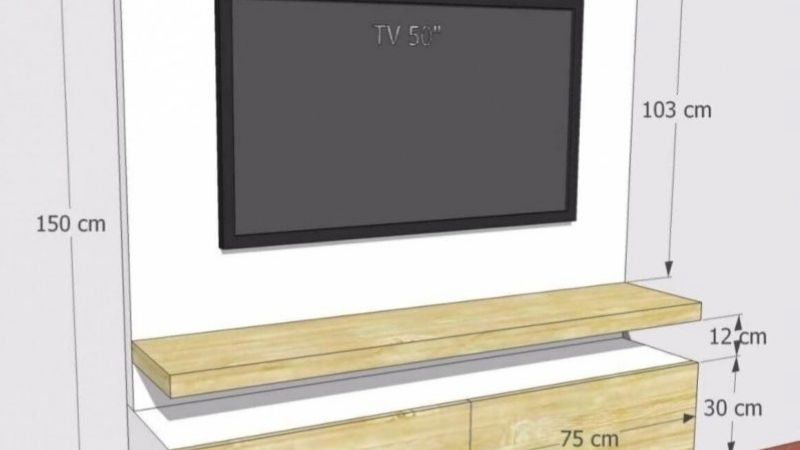
| U.S. Console Example | Width | Depth | Height | Published TV Support |
|---|---|---|---|---|
| IKEA LACK TV unit, article 805.660.61 | 47 1/4 in | 13 3/4 in | 14 1/8 in | 35 lb maximum TV weight |
| IKEA BESTÅ TV bench, configuration 996.114.69 | 70 7/8 in | 16 1/2 in | 15 3/8 in | 66 lb maximum TV weight |
| IKEA HEMNES TV unit, article 403.495.69 | 58 1/4 in | 18 1/2 in | 22 1/2 in | 55 lb maximum TV weight |
| IKEA FJÄLLBO TV unit, article 005.790.34 | 78 in | 17 3/4 in | 21 1/4 in | 90 lb maximum TV weight |
| Target Room Essentials wood and metal TV stand, TCIN 80944736 | 60 in | 15.7 in | 18.2 in | 90 lb listed overall load |
| Target Ashley Dorrinson TV stand, TCIN 89617435 | 60 in | 17.5 in | 27.75 in | Up to 65 in TV class; weight limit not confirmed here |
Measurements and load claims above come from the exact IKEA U.S. listings and Target specifications, consulted in October 2026. They are examples from several furniture designs rather than a statistical survey of all consoles. In particular, do not transfer the load rating of one BESTÅ configuration, or a shelf rating, to another [IKEA; Target, October 2026].
Typical Console Width Is a Range, Not a Rule
A width around 48 to 72 inches covers many compact, medium, and generous consoles, but actual products fall outside it. The documented IKEA LACK is 47 1/4 inches wide, while FJÄLLBO is 78 inches. These examples demonstrate product variety, not percentages of products sold or an official size class [IKEA, October 2026].
Cabinet width is the left-to-right outside dimension of the assembled piece. It is not the TV screen diagonal, the width of a center pedestal, or necessarily the usable width of the top. Decorative edges, open ends, and raised trim may change the area available to support feet. Check the furniture drawing before ordering.
Console Depth Depends on Storage and Equipment
Depth is the front-to-back distance of the complete cabinet. The documented LACK unit is 13 3/4 inches deep; HEMNES reaches 18 1/2 inches. Target’s 60-inch Room Essentials model lists 15.7 inches. The range illustrates why a shallow profile can work for decor but may fail when equipment has large plugs [IKEA; Target, October 2026].
The exterior depth is not the shelf depth. Doors, back panels, internal rails and cable recesses can reduce usable space. A soundbar in front of a television, for instance, needs its own placement rather than simply sharing a measurement with the TV feet. Use the internal opening specified for the exact console and device.
Console Height Is Not the Same as Screen Height
Low consoles can be close to 14 to 16 inches tall, while taller storage cabinets can approach 28 inches or more. The IKEA BESTÅ configuration here is 15 3/8 inches high, HEMNES is 22 1/2 inches, and the Ashley Dorrinson listing is 27.75 inches. This is a range of real furniture heights, not a required viewing height [IKEA; Target, October 2026].
A tall cabinet may provide larger doors and compartments, whereas a low bench visually recedes beneath a wall-mounted screen. If the television rests on the top, its actual screen center rises above that furniture top by an amount specific to the TV’s stand. Use your eye level and the television’s instructions rather than declaring one cabinet height ideal for all rooms.
Adjust Console Dimensions for Your Situation
Once you understand the size categories, decide how the console will function. A small apartment with a wall-mounted display needs a different footprint from a family room with a television on its own feet and gaming hardware inside. The following six situations show what each dimension must accomplish, without recommending a one-size-fits-all product.
For a Narrow Wall or Small Apartment
A compact console can preserve walking space, but do not choose it by wall width alone. Check whether nearby doors open fully and whether seating creates a narrow route beside the cabinet. A 47 1/4-inch-wide LACK is an example of a compact unit; it is not proof that your TV or equipment belongs on that exact model [IKEA, October 2026].
When space is limited, note depth as carefully as width. A modest reduction in front-to-back projection can be more valuable than a narrower body if people pass directly in front of the screen. Leave access for cords and cleaning, and use the manufacturer-prescribed anchoring method where the model requires it.
For a Low, Wall-Mounted TV and Minimalist Room
A low console may primarily hide devices and organize cables instead of bearing the television. IKEA’s documented BESTÅ bench stands 15 3/8 inches tall, illustrating a lower furniture silhouette. Its 66-pound published maximum TV load matters if a television rests on the top, but is not a mounting rating for the wall or for a suspended cabinet [IKEA, October 2026].
First confirm that the screen will be mounted to suitable wall structure using its approved bracket and hardware. Then size the console for components, outlets and visual balance. Never interpret the word floating, a photograph of a suspended unit, or a wide cabinet top as permission to hang furniture without following its own installation instructions.
For a TV With a Center Pedestal
With a center pedestal, support comes through one base rather than two widely spaced feet. The complete pedestal must sit on a level, approved part of the console top without overhanging an edge. Its front-to-back footprint can decide the required depth even if the cabinet is far wider than the television’s visible picture.
Check the TV’s weight with the pedestal installed against the cabinet’s published television load limit. Also examine whether a raised lip or uneven surface would prevent full contact. The nominal diagonal screen size alone cannot establish safe support, and a top that looks sturdy does not replace the maker’s stated limit.
For a TV With Two Widely Spaced Feet
Two-foot designs can require more usable horizontal support than a central pedestal. Some televisions allow alternative leg positions, but the available settings are specific to each model. Before selecting a console, compare the installed outer distance between feet with the unobstructed flat portion of the furniture top.
Do not use the console’s decorative outer width as a substitute for that surface measurement. A side overhang, raised border or narrow structural top may leave less effective support than the listing headline suggests. For a detailed measuring procedure, follow the separate entertainment-center measurement guide rather than guessing from a product photograph.
For Game Consoles, Receivers and Closed Storage
Storage-heavy setups make shelf openings more decisive than the furniture’s height. Measure the largest component including its attached cables, then compare that envelope with the internal opening and any adjustable shelf positions. For example, the IKEA HEMNES unit has drawers and open compartments, but its external 18 1/2-inch depth does not establish the clear depth of each bay [IKEA, October 2026].
Closed cabinets can make a room look tidy while complicating ventilation and wireless remote signals. Keep to each device maker’s airflow instructions and check cable paths before buying. Do not assume an open-backed console and a cabinet with solid doors can support the same equipment layout simply because their exterior dimensions match.
For a Long Media Wall or Large Living Room
A console beyond 72 inches may give a long wall better visual balance and additional storage. The documented 78-inch FJÄLLBO provides a real example, with a listed depth of 17 3/4 inches and height of 21 1/4 inches [IKEA, October 2026]. Large width alone, however, does not mean that the top has unlimited capacity.
Look at the whole assembled unit, including cabinet doors, support legs, and possible joinery between modules. If the TV will stand on the cabinet, use the exact model’s load rating and the TV’s complete footprint. Wider furniture can also be more awkward to deliver, so confirm packaged dimensions separately from finished cabinet dimensions.
Frequently Asked Questions
These questions cover dimensions that shoppers often misunderstand even after choosing an approximate cabinet width, depth, and height. They are particularly relevant when comparing online listings from different manufacturers, where the meaning of a measurement label or model configuration can change.
Are TV Console Dimensions Usually Listed as Width, Depth and Height?
Yes, U.S. furniture listings commonly provide exterior width, depth, and height, although some product pages arrange them as height, width, and depth. Read the labels rather than relying on the order of the numbers. Product photographs and shorthand size strings can obscure which axis a measurement represents.
Use the assembled measurements when checking the room, then check the separate packaging dimensions before delivery. Product configurations with optional legs or tops can also have different finished heights. That distinction is particularly important when comparing a bare frame with a fully assembled bench sold under the same product family.
Are Console Interior Shelf Sizes Standardized?
No. Two consoles with the same outside dimensions can have very different internal clearances because of drawer hardware, partitions, fixed shelves, and rear panels. A published overall depth is not a guarantee that a receiver, gaming console, or soundbar will fit inside a particular compartment.
Look for compartment measurements, an assembly diagram, or a manufacturer response that identifies the clear opening after installation. If you must accommodate a component with a difficult cable connection, allow for its exact plug orientation and the device manufacturer’s ventilation requirements instead of assuming a universal extra clearance.
Can Two Short Cabinets Make One Long TV Console?
They can form a longer storage arrangement only if the manufacturer permits that configuration and explains how the modules connect and remain stable. Two units standing next to one another do not automatically become one approved load-bearing surface for a television spanning their joint.
For a TV placed on top, verify where the feet actually transfer load and whether both cabinets are designed to support it. Never add together two published television load ratings as proof that a combined arrangement is safe. Wall anchoring, leveling and anti-tip requirements must still follow each unit’s documentation.
Do Manufacturer TV Size Labels Replace the Furniture Dimensions?
No. A statement such as suitable for TVs up to 65 inches is a product compatibility indication, not the width of the furniture or its usable shelf. The screen diagonal does not tell you the size of every brand’s television body, the spacing of its feet, or the depth of its pedestal.
Use the size label as an initial filter, then check the actual TV model against the console’s dimensions and weight rating. Some makers also apply a screen-size recommendation alongside a separate maximum-load rule. Both must be respected, along with the instructions for securing the cabinet and television.
Final Thoughts
Use the standard size of tv console ranges as a shopping shortcut, not a substitute for published dimensions. Width establishes wall coverage, depth controls equipment and floor space, and height shapes the viewing setup. Before buying, confirm your exact TV footprint, the console’s stated load, and the installation instructions.
