
Key takeaways
- A useful dumbbells back workout starts with a controlled pulling movement, not a collection of equipment posters. A bent-over dumbbell row can supply...
What's inside
A useful dumbbells back workout starts with a controlled pulling movement, not a collection of equipment posters. A bent-over dumbbell row can supply that task, while an unloaded bird dog can provide a separate trunk-control exercise. Learn both appropriately and decide how they fit your routine before increasing the workload or adding accessories.
This guide provides practical selection and use considerations. It does not report hands-on product testing.
Practice the row deliberately
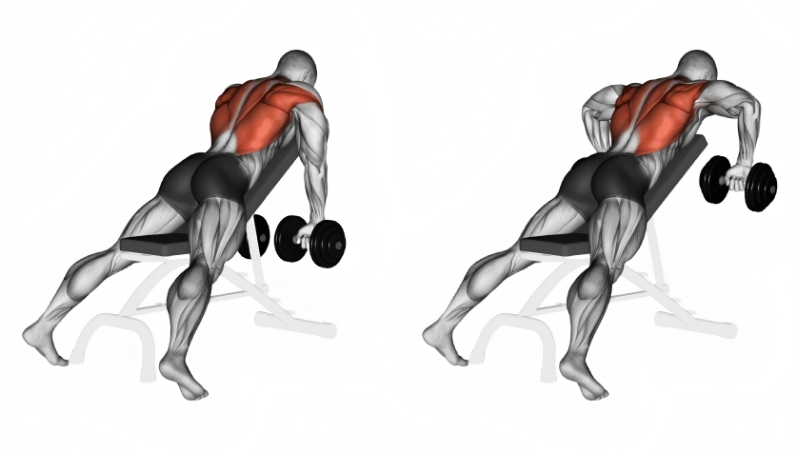
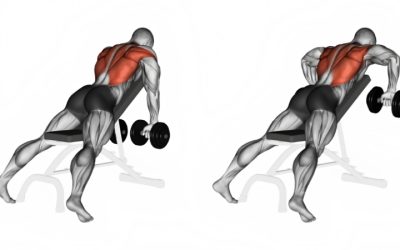
Stand with feet comfortably apart, brace your abdomen, bend the knees and hinge forward with a neutral spine. Let the working arm hang beneath the shoulder, then draw the dumbbell upward until the elbow is just below shoulder level. Lower slowly without allowing the shoulder to roll forward.
Keep the movement smooth rather than turning it into a heave with the whole body. Appropriate coaching can help establish the position and load. If symptoms or uncertainty make the bent-over position unsuitable, seek an alternative instead of trying to solve the issue through a different handle coating.
Use an unloaded second exercise
For a bird dog, start on hands and knees and reach one arm and the opposite leg outward. Keep the hips level and the back straight as you return and switch sides. Treat this as a controlled bodyweight task; a dumbbell does not need to be added to every station.
The row and bird dog serve different roles in this example. The first is a loaded pull; the second requires maintaining position while the limbs move. This is a small session framework, not a complete individualized program for every back or shoulder condition.
Plan the session around recovery and setup
Warm up appropriately and rehearse unfamiliar movements before loading them. Perform the taught row workload, return the weight, and recover before changing to the floor activity. Use repetition targets and rest appropriate to your established plan rather than copying the fastest circuit you can find.
After both activities, decide whether another round would preserve the intended control. Stop for pain and seek personalized advice where needed. A poster can remind you of an exercise name, but it cannot assess your movement or decide whether fatigue has changed your technique.
Product listings to compare
As an Amazon Associate we earn from qualifying purchases at no extra cost to you. Product prices and availability are accurate as of the date shown and are subject to change. Compare the selected variant and its current description with the requirements above.
As an Amazon Associate we earn from qualifying purchases at no extra cost to you. Product prices and availability are accurate as of the date shown and are subject to change.


Separate the kit into necessary and supporting pieces
Keep the chosen exercise names in the session notes so each resource is matched to the movement it actually demonstrates.
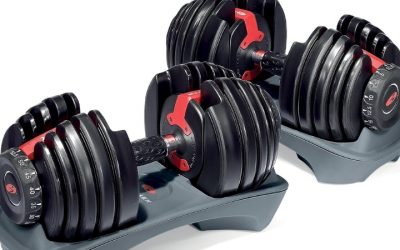
The row requires an appropriate dumbbell; the bird dog does not. Instructional charts or books have a supporting role. Check what a selected offer actually supplies so a learning resource is not mistaken for the physical equipment needed to begin the session.
Read the dumbbell’s handling, securing and inspection instructions. Choose a load for the exercise through appropriate guidance rather than selecting the largest advertised capacity. If several loads are needed elsewhere in the routine, compare those requirements separately before ordering a wider set.
Prepare two clear activity positions
Check the full rowing position, including the arm path and the room needed to collect and return the weight. Then check the floor position with the arm and leg extended. Do this rehearsal without equipment in the way so it reveals furniture conflicts before the session begins.
Place the dumbbell’s resting position outside the floor movement area. Do not step across loose equipment while changing stations. In a shared room, preserve ordinary household access or choose a time when the exercise area can remain clear.
Make the next change specific
Record the chosen row load, the version practiced and what limited the session. If the issue was controlling the shoulder, that calls for a different discussion from needing a place to store the equipment. Keep technique questions distinct from shopping questions.
Progress through an appropriate plan, not an obligation to add more exercises every week. A useful home back session has a clear pulling task, controlled transitions and equipment chosen for that work. Finish by returning the pieces to suitable storage and leaving the room ready for its next use, rather than accumulating a larger kit without an understood training role.
Additional product links
- Start 30-Day Prime Free Trial →
- See Today’s Amazon Deals
- ▸ Try Amazon Prime — free 30-day trial
- ▸ Start an Audible Premium Plus free trial
- ▸ Read free with Kindle Unlimited
Related reading
- Best dumbbells back workout
- Chris Parker
- Best Ab Workouts with Dumbbells: 6 Support Picks Compared
- Best Budget Adjustable Dumbbell: 6 Picks and Trade-Offs
- Best Abs Exercise with Dumbbells: 6 Picks by Coating Type
- Best Abs Workout with Dumbbells: 6 Picks for Fast Circuits
- Best at Home Dumbbells: 6 Picks for Sharing a Household
- Best changeable dumbbells
- Best rated yoga mat
- Best mat yoga
- Best home gym equipmen
- Best fitness equipment for home gym
- Best Chest Workout Using Dumbbells: Bench Angles and Kit
- Best Tricep Workout With Dumbbells: Kit for Fast Set Changes
- Best Back Exercises Using Dumbbells: 6 Setups That Work
- Best Back Exercise Dumbbells: 6 Picks by Movement Unlocked
- Best Workout Dumbbells: 7 Picks for Small Home Gym Spaces
- Best Workout for Forearms with Dumbbells: 5 Gear Choices
- Best Arm Workout With Dumbbells: 6 Home Setups to Choose
- Best Leg Workout With Dumbbells: Gear That Makes It Work
Write Your Review
No reviews yet. Be the first to share your experience!