
Key takeaways
- If you own only one pair of dumbbells, do not assume it must be used for every forearm exercise in a workout. Build the session around movements and...
What's inside
- Identify what the pair actually provides
- Use two clear movement references
- Ask whether the available setting suits each task
- Product listings to compare
- Plan what happens when a movement is not ready
- Distinguish a setting problem from a setup problem
- Keep the coaching record short
- Buy only the missing requirement
- Additional product links
- Related reading
If you own only one pair of dumbbells, do not assume it must be used for every forearm exercise in a workout. Build the session around movements and loads that are appropriate, then identify any equipment gap. The convenience of a single pair should not decide the resistance for two different tasks.
This guide provides practical selection and use considerations. It does not report hands-on product testing.
A useful approach is to take a simple equipment record to a qualified instructor. Describe the available weights and the supported movements you want to learn. The result may be a limited practice plan, another appropriate setting or further instruction, rather than a longer workout forced around the same objects.
Identify what the pair actually provides
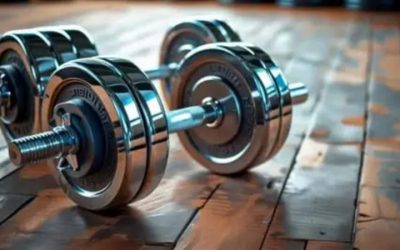
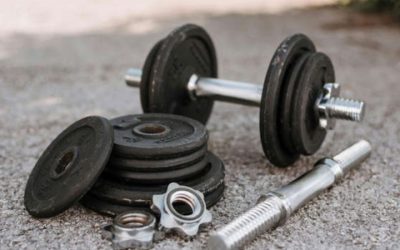
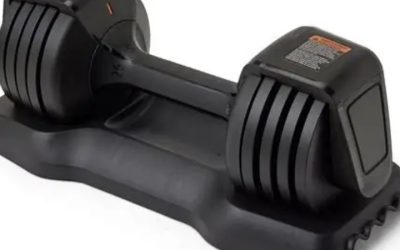
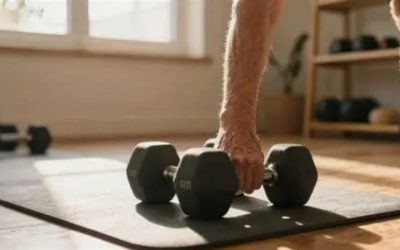
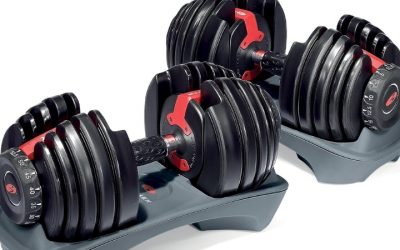
Record the weight of each dumbbell and its unit. If adjustable, list the actual usable settings rather than only the advertised range. Keep the model information available so a question about selection or locking can be answered from its own instructions.
Separate this equipment inventory from the planned workload. Owning a pair does not establish how many repetitions are suitable or whether the same resistance belongs in each movement. Those remain individual exercise decisions.
Use two clear movement references
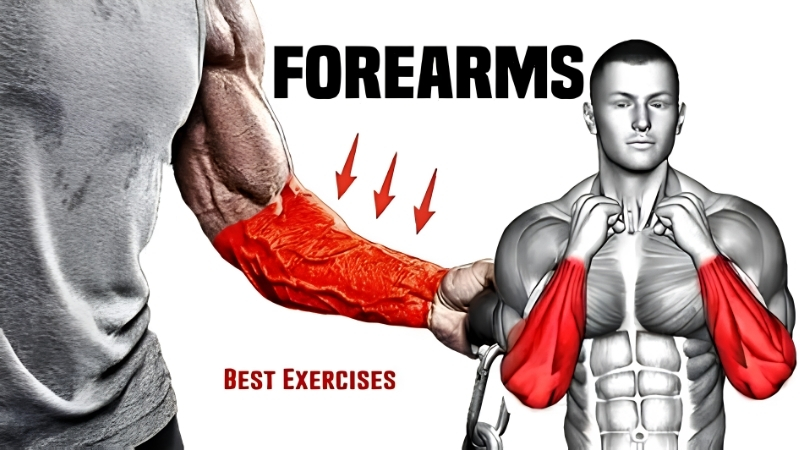
At a bench, kneel with forearms supported and elbows bent about ninety degrees. Let palms-up hands extend beyond the edge. Lower from neutral wrists, then curl back under control. Retain your grip and leave the arms and torso steady rather than shifting to move the weights.
Rest the forearms with palms downward and wrists initially straight. Lower the hands and bring them back slowly. Keep hold of the weights, maintain the elbow bend and avoid rocking or lifting the forearms. Complete the return before deciding whether to perform another repetition.
Ask whether the available setting suits each task
Discuss the movements separately with an instructor. A useful record has one entry for the palms-up position and another for the palms-down position. Do not combine them into one rating that hides where the selected weight is unsuitable or the technique remains unclear.
If the pair does not meet a requirement, keep that limitation visible. Avoid changing the exercise into a different movement simply to use the equipment. Another appropriate load or a revised plan should follow the assessment, not a need to justify the original purchase.
Product listings to compare
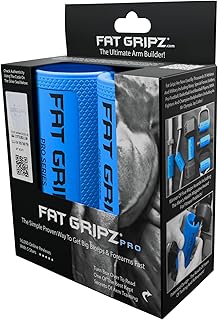
As an Amazon Associate we earn from qualifying purchases at no extra cost to you. Product prices and availability are accurate as of the date shown and are subject to change. Compare the selected variant and its current description with the requirements above.
As an Amazon Associate we earn from qualifying purchases at no extra cost to you. Product prices and availability are accurate as of the date shown and are subject to change.



Plan what happens when a movement is not ready
A session does not need every exercise printed on a reference card. If one task requires instruction or unavailable equipment, leave it out of the loaded practice until that question is resolved. Filling the time with an unfamiliar variation is not the only option.
Keep the rest of the plan consistent with appropriate guidance. A shorter, understood sequence is easier to discuss than a collection of substitutions chosen because they use the same pair. The record should show what was deliberately included and what remains undecided.
Distinguish a setting problem from a setup problem
Note whether the concern involves selecting resistance, establishing support or understanding the movement. A setting label that is unclear needs the product instructions. A question about wrist action needs suitable coaching. A bench obstructed by furniture needs an appropriate location.
Do not solve all three by buying heavier weights or adding another accessory. Describe the limitation first and choose the next action accordingly. This makes a single-pair setup easier to refine without turning each difficulty into another product search.
Keep the coaching record short
Write the movement, weight, support and one question after the equipment has been put down. Include any instruction received and whether it changes the next planned practice. Avoid replacing clear notes with a large collection of unrelated workout screenshots.
If a demonstration is recorded for review, arrange it before starting and examine it while resting. Do not alter the movement to face a screen while holding the weights. Follow the instructor’s request for a useful view rather than trying to diagnose the result yourself.
Buy only the missing requirement
Once the equipment need is understood, compare suitable options. The answer may be a specific setting or an appropriate support, not a complete replacement system. Check exact configuration and permitted handling before adding it to the session.
The best forearm workout with limited dumbbells is an appropriate plan that acknowledges what the equipment can and cannot provide. Keep the movements clear, the record useful and the next purchase specific. A small collection can remain practical without pretending one available weight is correct for every task.
Additional product links
- Start 30-Day Prime Free Trial →
- See Today’s Amazon Deals
- ▸ Try Amazon Prime — free 30-day trial
- ▸ Start an Audible Premium Plus free trial
- ▸ Read free with Kindle Unlimited
Related reading
- Best workout for forearms with dumbbells
- Chris Parker
- Best Ab Workouts with Dumbbells: 6 Support Picks Compared
- Best Budget Adjustable Dumbbell: 6 Picks and Trade-Offs
- Best Abs Exercise with Dumbbells: 6 Picks by Coating Type
- Best Abs Workout with Dumbbells: 6 Picks for Fast Circuits
- Best at Home Dumbbells: 6 Picks for Sharing a Household
- Best beginner jump rope
- Best boxing jump rope
- Best boxer jump rope
- Best cheapest yoga mat
- Best workout exercise equipment
- Best Leg Workout With Dumbbells: Gear That Makes It Work
- Best Gym Equipment for Full Body Workout: 5 Key Choices
- Best Arm Workout With Dumbbells: 6 Home Setups to Choose
- Best Workout Dumbbells: 7 Picks for Small Home Gym Spaces
- Best Dumbbells Back Workout Kit: Grip, Support and Ceiling
Write Your Review
No reviews yet. Be the first to share your experience!