
Key takeaways
- For a chest workout using dumbbells, organize the session around a press you can perform with control. The important choices are the movement, support...
What's inside
- Understand the press before changing the angle
- Choose the support arrangement deliberately
- Build the session around repeatable work
- Add a second variation only when it belongs
- Fit the session around existing furnishings
- Make adjustment part of preparation
- Product listings to compare
- Use a short readiness check
- Additional product links
- Related reading
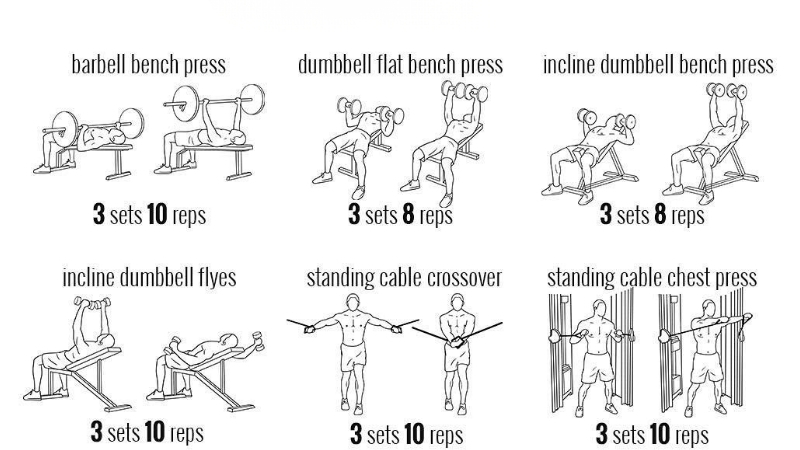
For a chest workout using dumbbells, organize the session around a press you can perform with control. The important choices are the movement, support surface and load, followed by how you arrange the weights in the room. A collection of bench angles is not a workout plan by itself.
This guide provides practical selection and use considerations. It does not report hands-on product testing.
Start with a version you have learned and a program suited to your experience. If you are unsure about technique or have a condition affecting exercise, ask a qualified professional for individual guidance. This guide explains the practical sequence without promising a particular result or prescribing one workload for everyone.
Understand the press before changing the angle
In a basic dumbbell chest press, lie on your back with a weight in each hand, forearms upright. Move the weights upward in a controlled press, stopping short of forcing the elbows straight, then return slowly. Mayo Clinic emphasizes controlled movement in its demonstration. Avoid bouncing or allowing the lowering phase to become a drop. Keep your head relaxed in a neutral position. During lowering, do not let the elbows pass below the horizontal line of the torso.
Keep the technique you were taught consistent from one repetition to the next. If the weights cannot be managed through the setup, movement and finish, reconsider the load and get help with the sequence before continuing.
Choose the support arrangement deliberately
For a bench press, use equipment intended for that activity and check its settings before starting. A household seat may look similar but have different construction and intended use. Do not improvise a bench by placing cushions or boards on furniture.
A floor press is a separate option with a different movement boundary. It can be considered when learning an appropriate floor-based version, but it is not a universal substitute for every user or program. Avoid describing it as a cure for discomfort; pain needs assessment rather than a guessed workaround.
Build the session around repeatable work
Use the repetition and rest structure from a suitable program, and prioritize keeping the press consistent. There is no need to add a new movement after every set. A focused session makes it easier to notice whether the load and technique remain manageable.
Record the version used, the selected weight and any difficulty with setup or control. This is more informative than judging the session by how many different exercises were included. Stop for pain and seek advice if symptoms persist or the movement is unclear.
Add a second variation only when it belongs
An incline press requires an appropriate adjustable bench and instruction for that position. A single-arm press changes how the load is handled. Treat either as a distinct skill to learn, not a shortcut to making a basic routine more effective.
Keep fly movements separate from presses in your notes and instruction. Their paths differ, so the load and technique should not be assumed interchangeable. If your current plan calls only for a press, buying extra equipment to add variety may be unnecessary.
Fit the session around existing furnishings
Check the area where you enter and leave the exercise position. Furniture that is clear of the bench itself may still obstruct weight handling. Keep low tables, decorative objects and open drawers away from the intended movement and retrieval route.
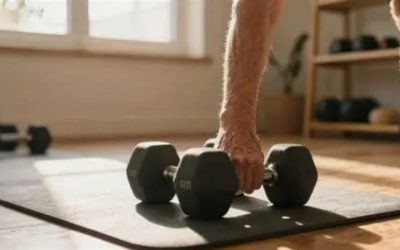
Choose a storage position suitable for the dumbbells rather than placing them on a convenient household surface. The floor finish and any protective layer should be compatible with the equipment’s instructions. A visually tidy arrangement is useful only when the handling sequence also works.
Make adjustment part of preparation
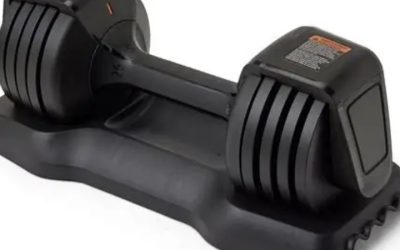
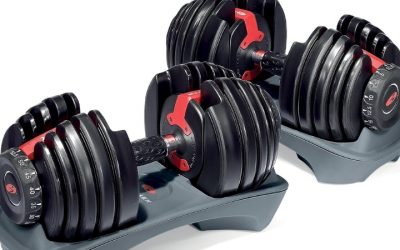
If using changeable dumbbells, complete the manufacturer’s selection and locking checks before entering the exercise position. Keep separate components in their intended storage. Do not let a rushed adjustment become part of the repetition sequence.
Product listings to compare
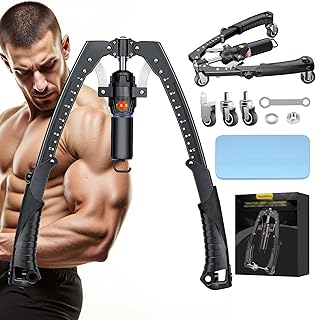
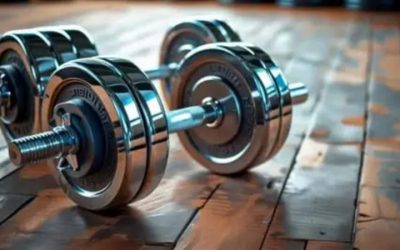
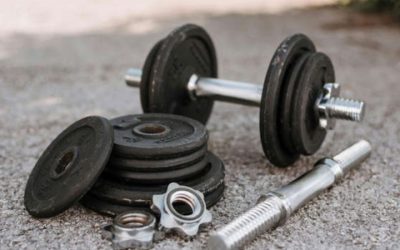
As an Amazon Associate we earn from qualifying purchases at no extra cost to you. Product prices and availability are accurate as of the date shown and are subject to change. Compare the selected variant and its current description with the requirements above.
As an Amazon Associate we earn from qualifying purchases at no extra cost to you. Product prices and availability are accurate as of the date shown and are subject to change.




Use a short readiness check
- The planned press is familiar and appropriate to the program.
- The support equipment is set up as instructed.
- The weights are correctly assembled and manageable.
- Furniture does not obstruct movement or finishing.
- The session has a defined workload rather than an improvised challenge.
A good dumbbell chest workout is built from clear exercise choices and controlled execution. Let furnishings support that plan, and let additional equipment follow a genuine training requirement rather than lead it.
Additional product links
- Start 30-Day Prime Free Trial →
- See Today’s Amazon Deals
- ▸ Try Amazon Prime — free 30-day trial
- ▸ Start an Audible Premium Plus free trial
- ▸ Read free with Kindle Unlimited
Related reading
- Best chest workout using dumbbells
- Chris Parker
- Best Ab Workouts with Dumbbells: 6 Support Picks Compared
- Best Budget Adjustable Dumbbell: 6 Picks and Trade-Offs
- Best Abs Exercise with Dumbbells: 6 Picks by Coating Type
- Best Abs Workout with Dumbbells: 6 Picks for Fast Circuits
- Best at Home Dumbbells: 6 Picks for Sharing a Household
- Best changeable dumbbells
- Best rated yoga mat
- Best mat yoga
- Best home gym equipmen
- Best fitness equipment for home gym
- Best Dumbbells Back Workout Kit: Grip, Support and Ceiling
- Best Tricep Workout With Dumbbells: Kit for Fast Set Changes
- Best Chest Workout Dumbbells: 6 Picks for Pressing at Home
- Choosing the Right Home Gym Workout Bench: A Buyer's Guide
- Best Workout Dumbbells: 7 Picks for Small Home Gym Spaces
- Best Workout for Forearms with Dumbbells: 5 Gear Choices
- Best Arm Workout With Dumbbells: 6 Home Setups to Choose
Write Your Review
No reviews yet. Be the first to share your experience!