
Key takeaways
- The best chest exercises dumbbells can support include a controlled chest press and a lying chest fly when those movements are appropriate for the...
What's inside
The best chest exercises dumbbells can support include a controlled chest press and a lying chest fly when those movements are appropriate for the person performing them. They are different actions, not interchangeable ways to move the same weight. Learn the setup and movement before choosing a load, and use qualified instruction when the technique is unfamiliar.
This guide provides practical selection and use considerations. It does not report hands-on product testing.
Establish the bench and weight setup
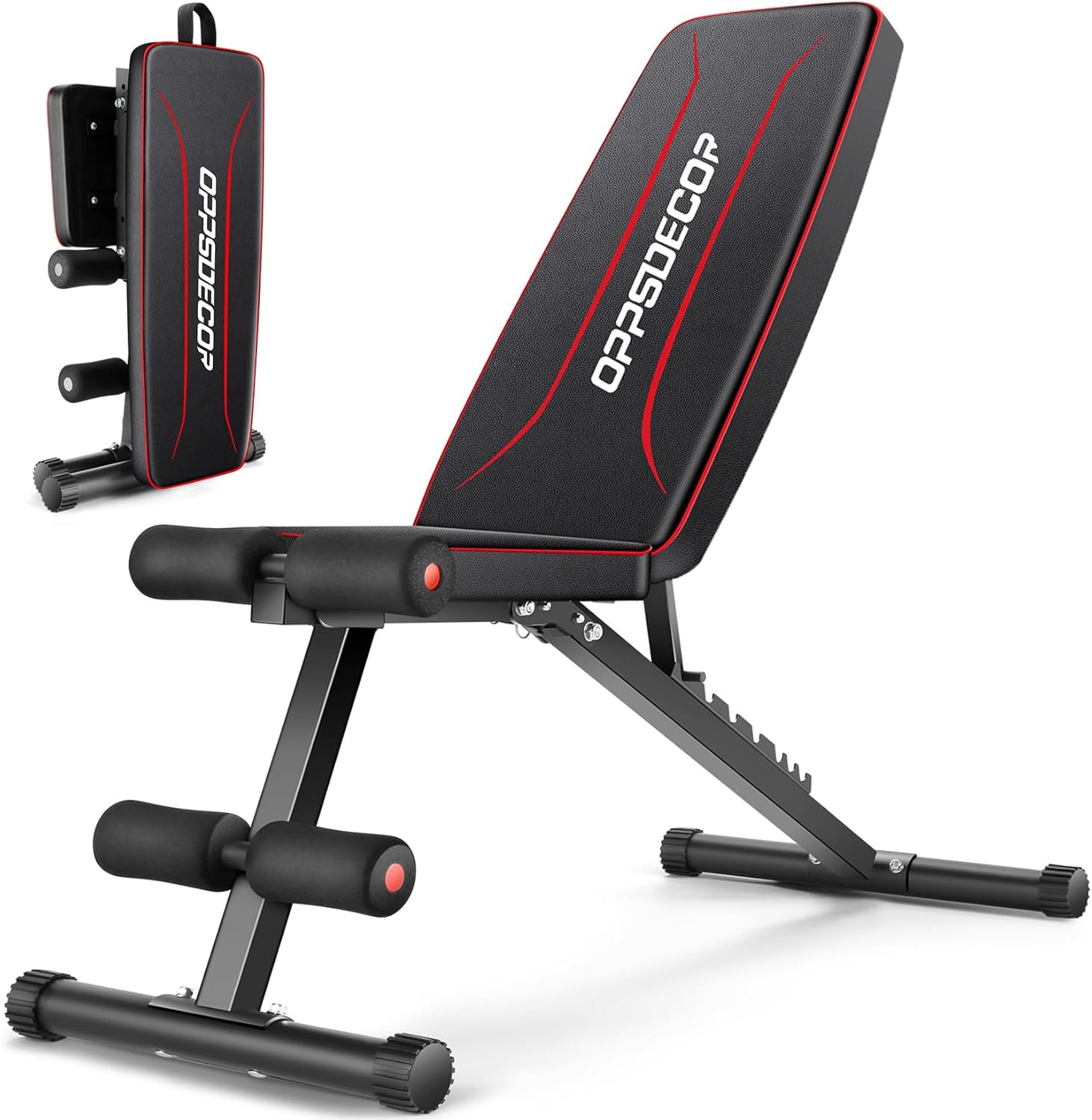
Use a bench intended for the task and follow its assembly, adjustment and load guidance. Check the combined requirements of the user and equipment rather than reading one advertised capacity in isolation. Ordinary furniture should not be substituted for an exercise support because it looks similar in height.
Choose dumbbells you can handle deliberately through the entire setup and return. Arrange assistance from a competent spotter where needed and agree on the handover before beginning. If you cannot establish or leave the position appropriately, resolve that problem before attempting loaded repetitions.
Practise the dumbbell chest press
Lie on your back on the flat bench with your feet supported appropriately. Keep your head, shoulders and buttocks supported, with the shoulders drawn down and back. Hold the handles securely and keep the wrists aligned rather than bent. Begin with the dumbbells above the chest in the pressing position.
Lower both weights slowly toward the chest, maintaining the supported position. Then press them upward under control, extending the elbows without bouncing the weights or arching the lower back to complete the lift. Breathe through the movement. Finish using the agreed handling procedure rather than dropping the dumbbells beside the bench. These are general cues consistent with the ACE Chest Press guide, not a personal loading prescription.
Distinguish the lying chest fly
For the fly, start supported on the bench with the dumbbells above you, palms facing each other and a small bend in the elbows. Keep that elbow shape as the arms open in a controlled arc. Do not turn the movement into a press by repeatedly bending and straightening the elbows.
Lower only through an appropriate controlled range, no farther than the shoulder or chest level described in ACE’s guide, then bring the weights together along the arc. Keep wrists aligned and the body supported. Do not force a stretch or use momentum to return the weights. If the movement or range is uncertain, pause for suitable instruction before adding load.
Product listings to compare
As an Amazon Associate we earn from qualifying purchases at no extra cost to you. Product prices and availability are accurate as of the date shown and are subject to change. Compare the selected variant and its current description with the requirements above.
As an Amazon Associate we earn from qualifying purchases at no extra cost to you. Product prices and availability are accurate as of the date shown and are subject to change.


Choose practice rather than a compulsory combination
You do not need to perform both movements simply because they appear in one article. Decide which is appropriate with suitable guidance and make that movement understandable first. A press and a fly can involve different loads; the weight used for one should not automatically transfer to the other.
Rehearse the setup and review what happens at the end of each set. Stop when control is lost rather than counting an attempted repetition completed through a different movement. Pain or concerning symptoms are reasons to stop and seek appropriate advice, not signals to force the range shown in a demonstration.
Keep a useful session record
Record the exercise variation, equipment and controlled work completed. Note any setup question that needs clarification. This provides a concrete basis for discussion with an instructor without prescribing a universal number of sets or claiming that a particular session will create a specific chest size.
Avoid increasing several demands at once merely because a new pair of dumbbells is available. Progression should suit the individual and the routine being followed. A product list is not a training schedule, and additional accessories are not required just to make a session look more complete.
Let the equipment serve the exercise
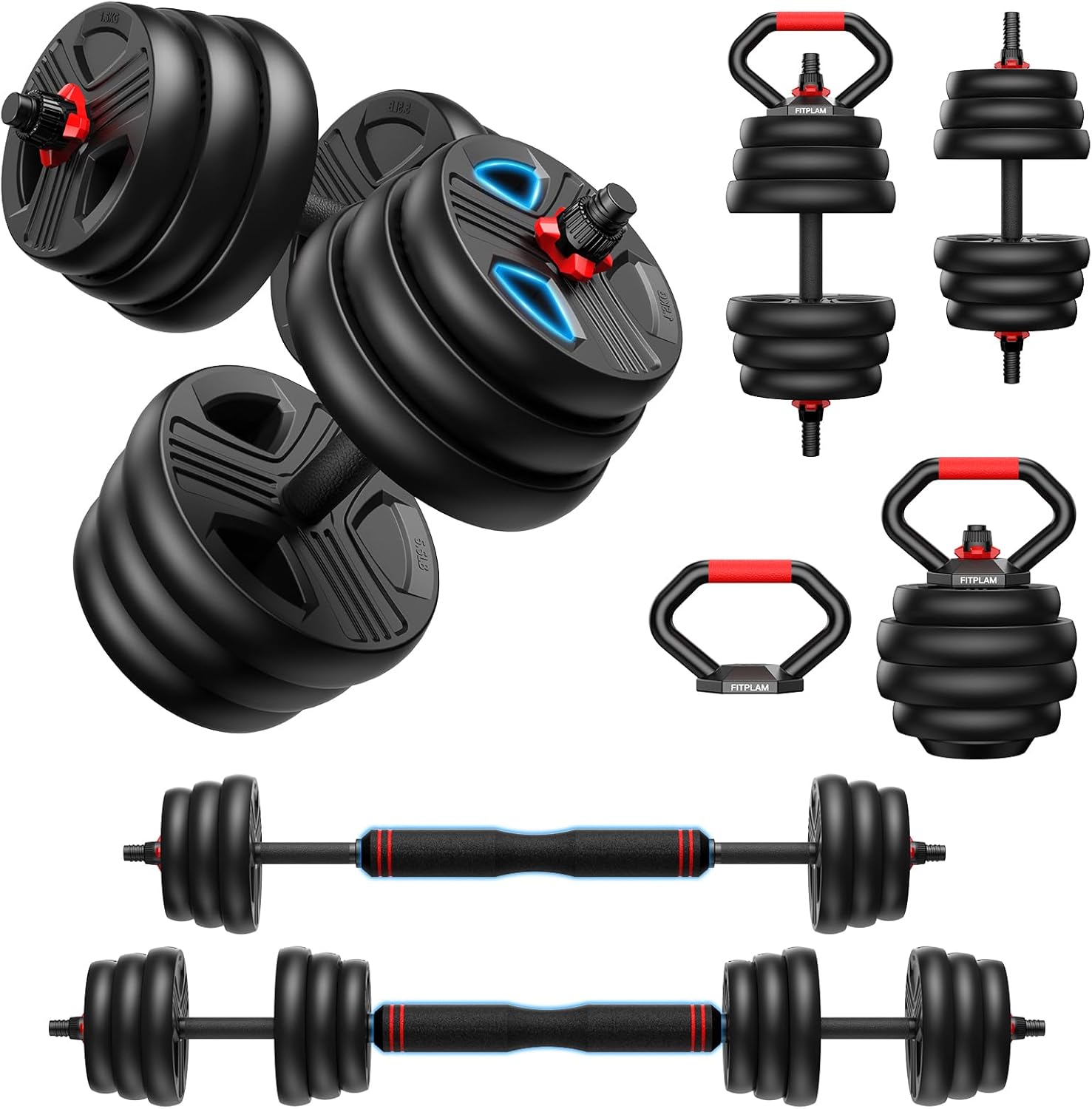
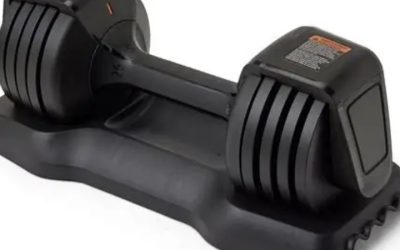
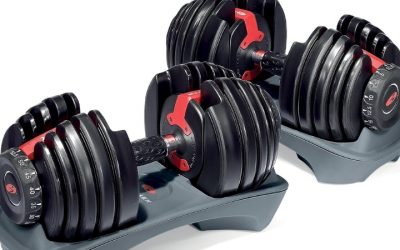
Check the individual dumbbell weight, grip and locking procedure for adjustable equipment. Leave an appropriate clear area for the bench, the user and any spotter. Keep unused items out of the handling route and follow inspection and care instructions afterward.
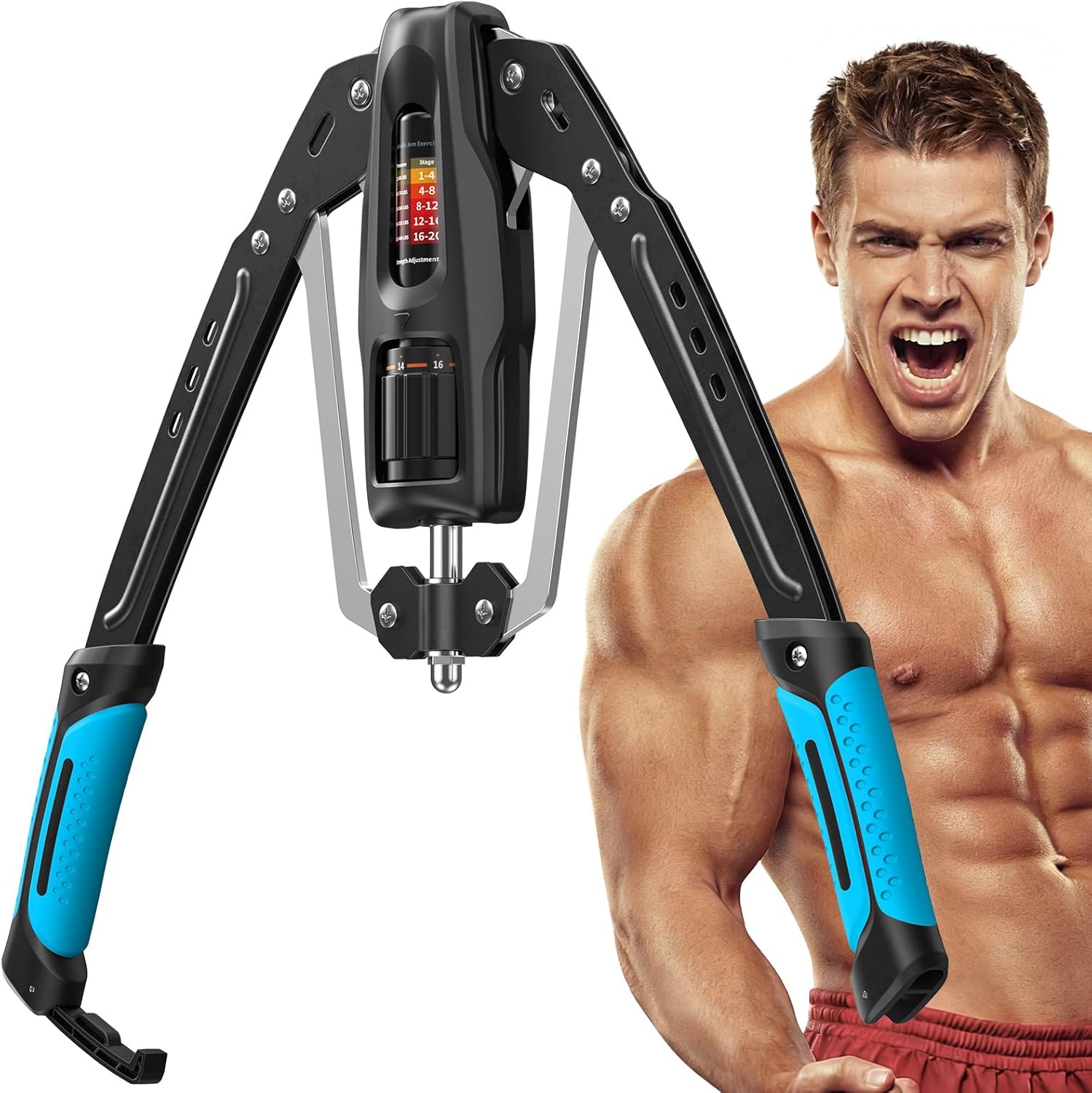
Compare any purchase with the requirements of the chosen movement. A chest expander, an instruction book and a bench are different items and do not substitute automatically for dumbbells. The useful answer is controlled exercise with suitable equipment and guidance, without promises of a guaranteed physique or a fixed training outcome.
Additional product links
- Start 30-Day Prime Free Trial →
- See Today’s Amazon Deals
- ▸ Try Amazon Prime — free 30-day trial
- ▸ Start an Audible Premium Plus free trial
- ▸ Read free with Kindle Unlimited
Related reading
- Best Ab Workouts with Dumbbells: 6 Support Picks Compared
- Best Budget Adjustable Dumbbell: 6 Picks and Trade-Offs
- Best Abs Exercise with Dumbbells: 6 Picks by Coating Type
- Best Abs Workout with Dumbbells: 6 Picks for Fast Circuits
- Best at Home Dumbbells: 6 Picks for Sharing a Household
- Best at Home Full Body Workout Equipment for Small Rooms
- Best Full Body Workout Equipment: 6 Machines vs Free Weights
- Best Gym Equipment for Full Body Workout: 5 Key Choices
- Best Workout Gym Equipment: 6 Heavy-Duty Picks for Home Use
- Best Dumbbells Exercises: 6 Home Sets That Cover Everything
- Best Lat Exercises Dumbbells: 6 Picks for Heavy Row Work
- Best Forearm Exercises Dumbbells: 6 Grip-Friendly Picks
- Best Arm Exercises With Dumbbells: 6 Home Setups Compared
- Best Exercises Using Dumbbells: 6 Sets That Cover It All
Write Your Review
No reviews yet. Be the first to share your experience!