
Key takeaways
- When choosing exercises using dumbbells at home, think through the whole session: the movement, the load, the support and the transition to the next...
What's inside
- Practice the squat as a controlled movement
- Learn the extension without turning it into a press
- Plan the order around your program
- Do not confuse more options with a better session
- Prepare the room for transitions
- Select a practical dumbbell arrangement
- Product listings to compare
- Review the session’s essentials
- Additional product links
- Related reading
When choosing exercises using dumbbells at home, think through the whole session: the movement, the load, the support and the transition to the next exercise. This helps you choose useful work instead of assembling a routine from every exercise name attached to a product listing.
This guide provides practical selection and use considerations. It does not report hands-on product testing.
A dumbbell squat and a lying triceps extension illustrate two different tasks. Learn them separately and use a program suited to your circumstances. If you have pain, an injury or uncertainty about exercise suitability, seek individual advice rather than experimenting with a heavier setting.
Practice the squat as a controlled movement
Mayo Clinic’s dumbbell squat uses weights held at the sides and a roughly shoulder-width stance. Bend the hips and knees while maintaining a neutral back, then rise again under control. Keep the knees from collapsing inward and avoid rounding the spine to reach a deeper position.
Choose a range and load appropriate to the technique you have learned. If you cannot maintain the movement, pause and reassess. The weight used in another exercise should not automatically be carried over to the squat.
Learn the extension without turning it into a press
For a lying dumbbell triceps extension, point the upper arm upward with the elbow bent, then straighten the elbow slowly and return. Keep the body stable and the movement smooth. Mayo Clinic describes support from the opposite hand when needed to help stabilize the upper arm.
The path is different from a chest press. Do not change the exercise halfway through because the chosen weight is difficult to control. Learn the positioning and finishing process before using a challenging load.
Plan the order around your program
Use the exercise order and workload from an appropriate plan rather than arranging a demanding circuit by guesswork. Allow time to change positions and prepare equipment. A standing movement followed by a lying movement needs a deliberate transition.
Keep notes on the exercise version, weight and any problems with setup or control. This is useful information for the next session or a discussion with an instructor. Stop for pain, and do not treat an unfamiliar sensation as proof that a movement is effective.
Do not confuse more options with a better session
Additional curls, presses or raises may serve a purpose, but each should earn its place in the program. Several variations can repeat similar work while adding complexity. Identify the requirement before choosing another exercise or buying equipment for it.
Likewise, a product described as suitable for many exercises is not a complete training plan. Its permitted uses and construction information help assess equipment; individual programming requires a different decision.
Prepare the room for transitions
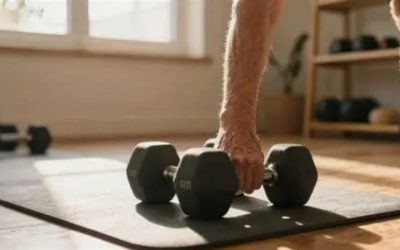
Keep the route between weight storage and the activity area clear. A low table or open drawer may be outside one exercise’s path but interfere with another. Assess the room with furniture in normal use, not only pushed into a temporary corner.
Use an appropriate support if the exercise calls for one. A sofa or decorative bench is not automatically exercise equipment. The floor and any protective surface also need to suit the activity and the relevant instructions.
Select a practical dumbbell arrangement
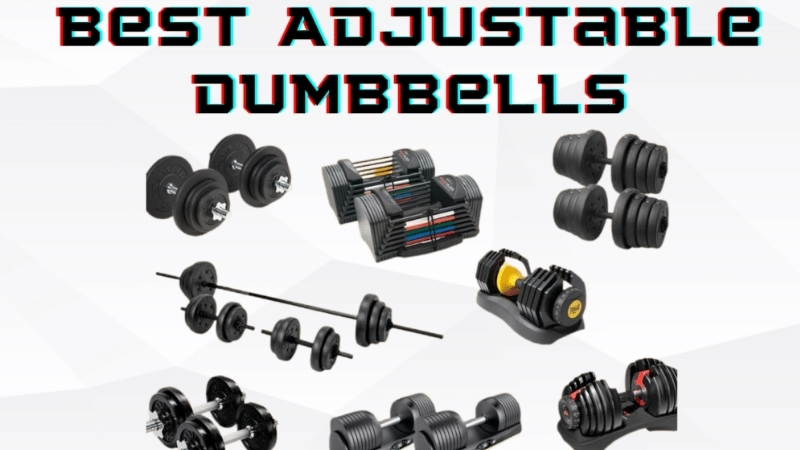
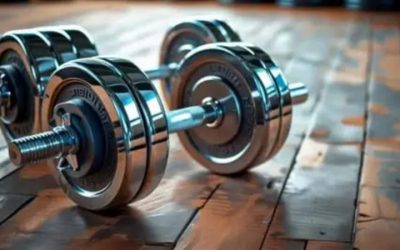
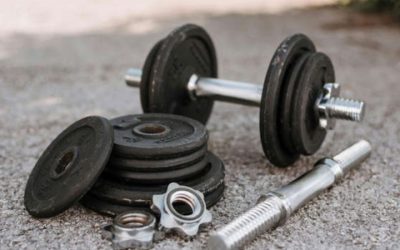
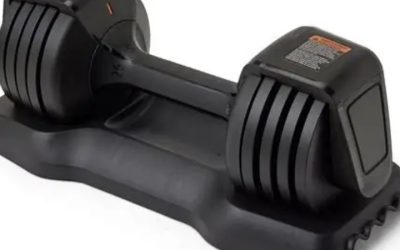
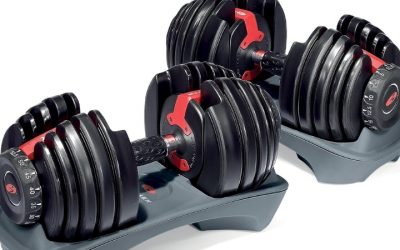
Check the loads and increments required by the exercises you intend to perform. A fixed pair offers one setting, while an adjustable system introduces its own selection and securing process. Compare the whole routine rather than only the advertised maximum load.
Keep bases and loose parts in their intended locations. Complete checks before the set begins, and do not balance components on nearby furniture while changing the room around. Clear organization makes transitions more manageable.
Product listings to compare
As an Amazon Associate we earn from qualifying purchases at no extra cost to you. Product prices and availability are accurate as of the date shown and are subject to change. Compare the selected variant and its current description with the requirements above.
As an Amazon Associate we earn from qualifying purchases at no extra cost to you. Product prices and availability are accurate as of the date shown and are subject to change.


Review the session’s essentials
- Each exercise has a defined purpose.
- The technique and load are appropriate.
- The equipment is assembled or selected correctly.
- Transitions leave the room clear.
- Unresolved symptoms or technique questions receive suitable advice.
The best dumbbell exercises are useful because of how they fit the person and program. A furnished home can support them through thoughtful preparation, without letting storage convenience or a long product list determine the workout.
Additional product links
- Start 30-Day Prime Free Trial →
- See Today’s Amazon Deals
- ▸ Try Amazon Prime — free 30-day trial
- ▸ Start an Audible Premium Plus free trial
- ▸ Read free with Kindle Unlimited
Related reading
- Best exercises using dumbbells
- Chris Parker
- Best Ab Workouts with Dumbbells: 6 Support Picks Compared
- Best Budget Adjustable Dumbbell: 6 Picks and Trade-Offs
- Best Abs Exercise with Dumbbells: 6 Picks by Coating Type
- Best Abs Workout with Dumbbells: 6 Picks for Fast Circuits
- Best at Home Dumbbells: 6 Picks for Sharing a Household
- Hot yoga mat best
- Best dumbbells exercises
- Best workout dumbbells
- Best back exercises using dumbbells
- Best exercise upright bike
- Best exercise stationary bike
- Best Bicep Exercises Dumbbells: 6 Sets for Curl Progress
- Best Lat Exercises Dumbbells: 6 Picks for Heavy Row Work
- Best Forearm Exercises Dumbbells: 6 Grip-Friendly Picks
- Best Arm Exercises With Dumbbells: 6 Home Setups Compared
Write Your Review
No reviews yet. Be the first to share your experience!