
Key takeaways
- The best bicep exercises with dumbbells are the ones you can execute with control and fit into an appropriate routine. Begin by learning a basic curl,...
What's inside
- Use a curl with a clear movement path
- Start with the position that fits your instruction
- Compare alternating and paired work thoughtfully
- Plan the workload without a universal prescription
- Treat new variations as new skills
- Arrange the equipment around existing furniture
- Product listings to compare
- Keep the essentials visible
- Additional product links
- Related reading
The best bicep exercises with dumbbells are the ones you can execute with control and fit into an appropriate routine. Begin by learning a basic curl, then decide whether seated, standing or alternating-arm work suits the session. You do not need to turn every available variation into a compulsory exercise.
This guide provides practical selection and use considerations. It does not report hands-on product testing.
In a furnished room, preparation includes a clear path for the weights and a suitable place to put them down. Those details support the exercise, but they do not replace technique instruction or individual advice where health or injury concerns apply.
Use a curl with a clear movement path
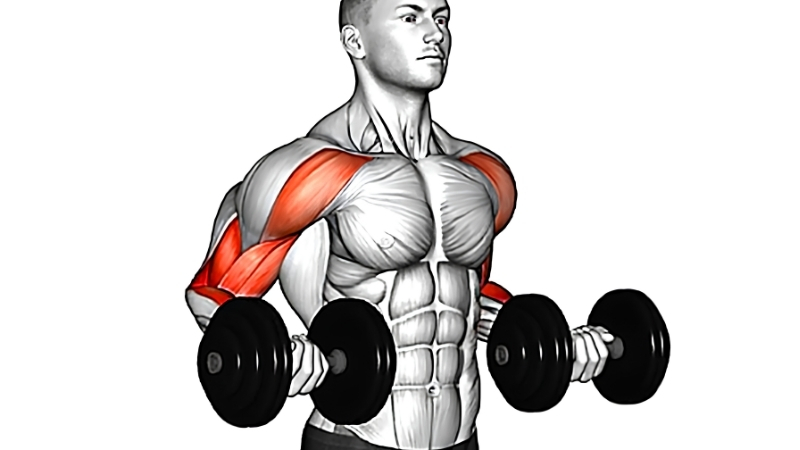
For the basic dumbbell curl described by Mayo Clinic, bend the elbow to raise the weight with the palm upward, keeping the elbow near the body. Lower deliberately, with the wrist held straight. Avoid swinging the weight or moving the elbow to finish the repetition.
Learn that pattern before increasing the load. If the weight cannot be managed through the whole motion, stop and reconsider the setup with appropriate guidance. A heavier dumbbell is not a useful progression when it changes the movement into something else.
Start with the position that fits your instruction
Curls can be performed seated or standing. In either arrangement, the arms need a clear path and the weight needs to be handled appropriately. A chair arm, crowded side table or low shelf should not force the curl into an altered route.
If using a seated version, choose a suitable support rather than relying on soft or unstable furniture. If standing, allow space to maintain the taught position without stepping around objects. Ask an instructor about fit questions instead of adjusting technique solely to accommodate the room.
Compare alternating and paired work thoughtfully
Alternating arms lets you organize the repetitions one side at a time. Keep the movement consistent and record the work accurately. Working with both arms in a session does not require rushing between them or matching a promotional video’s pace.
Use the arrangement called for by a suitable program. Do not add extra sets simply because another version is available. The useful question is whether the chosen structure supports controlled work, not whether it uses every setting in the equipment.
Plan the workload without a universal prescription
Choose repetitions, rest and load according to your experience and relevant guidance. Leave time to reset rather than treating every pause as a failure. If control becomes difficult, stop and assess the reason instead of completing the plan through momentum.
Keep brief notes about the position, weight and any questions that arose. This makes the next session easier to plan. Pain is a reason to stop and seek appropriate advice, not a signal to try a heavier load or a different grip without instruction.
Treat new variations as new skills
A change in grip or support angle can change the exercise demands. Learn it separately before adding it to the routine, and do not assume that the load used for one version transfers automatically. A simple curl performed as taught is a clearer foundation than several improvised variations.
A new purchase should follow an identified need. If the current equipment supports the established routine, adding a different dumbbell system may not answer a training question. Separate the desire for variety from a genuine requirement.
Arrange the equipment around existing furniture
Keep storage outside the curl’s movement area and away from doors or drawers that need regular access. Check the suitability of the support surface for the weights. Do not use a decorative console merely because it is conveniently placed.
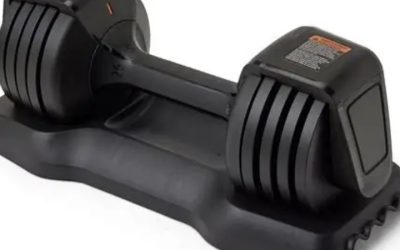
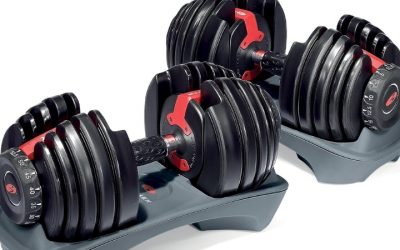
For changeable dumbbells, complete the manufacturer’s adjustment checks before use. Keep bases and loose components organized so they do not spread across the room during the session. Follow care instructions and keep the model information available for service questions.
Product listings to compare
As an Amazon Associate we earn from qualifying purchases at no extra cost to you. Product prices and availability are accurate as of the date shown and are subject to change. Compare the selected variant and its current description with the requirements above.
As an Amazon Associate we earn from qualifying purchases at no extra cost to you. Product prices and availability are accurate as of the date shown and are subject to change.


Option #7

Keep the essentials visible
- A familiar curl technique.
- A manageable load and appropriate session plan.
- Clear space around the arms and weights.
- Suitable equipment preparation and storage.
- Individual help when movement or symptoms raise questions.
A practical home biceps routine is built around those essentials. Furnishings and equipment choices should make the session easier to organize, without turning the exercise into a shopping exercise or an unsupported promise of rapid results.
Additional product links
- Start 30-Day Prime Free Trial →
- See Today’s Amazon Deals
- ▸ Try Amazon Prime — free 30-day trial
- ▸ Start an Audible Premium Plus free trial
- ▸ Read free with Kindle Unlimited
Related reading
- Best bicep exercises dumbbells
- Chris Parker
- Best Ab Workouts with Dumbbells: 6 Support Picks Compared
- Best Budget Adjustable Dumbbell: 6 Picks and Trade-Offs
- Best Abs Exercise with Dumbbells: 6 Picks by Coating Type
- Best Abs Workout with Dumbbells: 6 Picks for Fast Circuits
- Best at Home Dumbbells: 6 Picks for Sharing a Household
- Hot yoga mat best
- Best dumbbells exercises
- Best workout dumbbells
- Best back exercises using dumbbells
- Best exercise upright bike
- Best exercise stationary bike
- Best Exercises Using Dumbbells: 6 Sets That Cover It All
- Best Lat Exercises Dumbbells: 6 Picks for Heavy Row Work
- Best Forearm Exercises Dumbbells: 6 Grip-Friendly Picks
- Best Arm Exercises With Dumbbells: 6 Home Setups Compared
Write Your Review
No reviews yet. Be the first to share your experience!