Key takeaways
- Polypropylene (#5): the most common small-container plastic. Lightweight, flexible, generally dishwasher-safe on the top rack and microwave-safe without the lid. Can stain from tomato sauce and turmeric.
- Clear rigid plastics (PET, styrene, Tritan-type copolyester): crystal-clear and good for visible storage, but brittle; dropped boxes crack at the corners. Not usually microwave-safe.
- Glass (tempered soda-lime or borosilicate): does not stain or hold odors, safe for oven reheating without the lid, but two to four times heavier. Pyrex, for example, makes glass food containers with plastic lids.
- Metal tins: good for dry goods and keeping light out, but dent easily and can rust if washed and left damp.
The right small storage container with a lid depends on three things in this order: what the contents need from the seal (airtight, dust-tight or just closed), the space it has to fit (a fridge door, a narrow drawer, a classroom shelf), and how often you open it. Get those right and the material and brand become easy choices. This guide breaks small containers down by use, gives real size references in quarts and inches, and explains where each lid style and plastic type fails.
Sizes That “Small” Usually Means
Container capacity is listed in quarts, cups, liters or ounces depending on the brand and the use, which makes comparison confusing. Here is how they line up with real footprints.

Rubbermaid Easy Find Lids Food Storage Containers, 0.5 Cup, Clear With Red Lids 12 Pack (12 Cups)
Included for 'Small Storage Containers With Lids: Matching Size, Seal and Material to What You Store' because the listing specifies 0.5 Cup and Clear With Red Lids 12 Pack (12 Cups), details this guide uses to compare options.
View on Amazon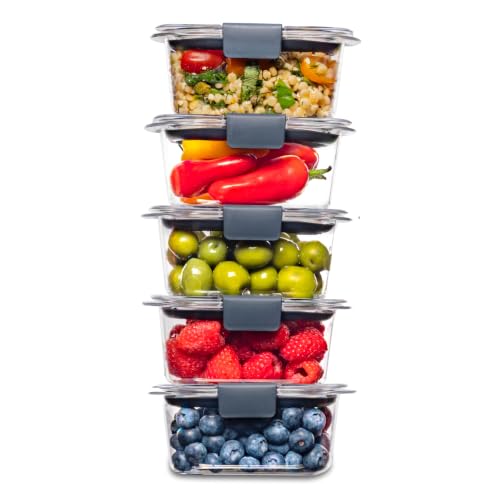
Rubbermaid Brilliance BPA-Free Food Storage Containers Multi Pack, 1.3 Cup Plastic Containers with Lids, 5 Pack, Leak Proof, Microwave & Dishwasher Safe
Included for 'Small Storage Containers With Lids: Matching Size, Seal and Material to What You Store' because the listing specifies 1.3 Cup Plastic Containers with Lids and 5 Pack, details this guide uses to compare options.
View on Amazon
Rubbermaid Easy Find Lids Food Storage Containers, 2 Cup, Racer Red, 4-Piece Set
Included for 'Small Storage Containers With Lids: Matching Size, Seal and Material to What You Store' because the listing specifies 2 Cup and Racer Red, details this guide uses to compare options.
View on Amazon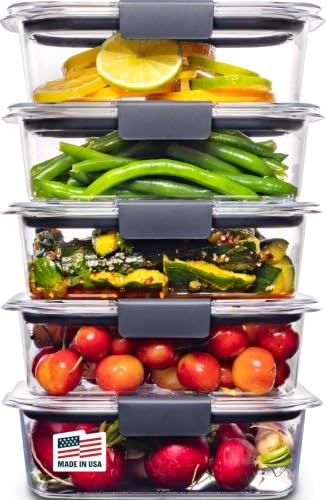
Rubbermaid Brilliance Tritan Plastic Food Storage Containers BPA Free Airtight Lids Ideal for Lunch Meal Prep & Leftovers Set of 5 (3.2 Cup)
Included for 'Small Storage Containers With Lids: Matching Size, Seal and Material to What You Store' as a relevant option in this category; details come from the product listing.
View on Amazon| Capacity | Approx. footprint (L x W x H) | Holds | Fits |
|---|---|---|---|
| 0.5–1 cup (4–8 oz) | 3.5 x 3.5 x 2 in | Dressings, beads, push pins, screws | Fridge door, desk drawer |
| 2–3 cups (0.5–0.75 qt) | 5 x 4 x 2.5 in | Leftovers for one, sticky notes, hair ties | Kitchen drawer, craft cart drawer |
| 1.5–2 qt | 8 x 5 x 3 in | Crayons, markers, sliced produce | Fridge shelf, cubby |
| 6 qt shoebox | 13.5 x 8 x 4.5 in | Craft supplies, chargers, medicine | Closet shelf, under-sink |
| Pencil-box style | 8.5 x 5.5 x 2.5 in | Pencils, crayons, scissors | Student desk, classroom bins |
| Long narrow (2–4 qt) | 14–16 x 4–5 x 3–4 in | Spaghetti, wrapping ribbons, knitting needles | Pantry edge, deep drawer, under-bed edge |
The 6-quart shoebox size, sold by Sterilite, IRIS USA and many others at about 13.5 x 8 inches, is the closest thing to a standard in home organization. It fits most closet shelves 12 inches deep or more and stacks reliably if you stay with one brand.
Lid Types and What They Are Good For
| Lid style | Seal level | Best for | Weak point |
|---|---|---|---|
| Snap-on (friction fit) | Dust-tight | Crafts, toys, office items | Corners crack after repeated prying |
| Four-side locking tabs with gasket | Airtight, spill-resistant | Food, fridge, pantry, anything that may leak | Gasket traps odors if not removed for washing |
| Push-button (pop-style) seal | Airtight | Dry goods you open daily, such as cereal or coffee | Mechanism adds cost; button seals can loosen after years |
| Hinged lid with latch | Closed but not airtight | Beads, fishing tackle, hardware in compartments | Hinges snap if overloaded or dropped |
| Screw-top | Airtight | Small jars for spices, buttons, glitter | Slow to open; cross-threading |
Compartment boxes with hinged lids are often marketed as airtight but are not; small beads and seed beads can migrate between sections when the box is carried on its side. If that matters, look for compartments with individual lids or use a box where the lid presses directly onto each divider.
Plastic, Glass or Metal
- Polypropylene (#5): the most common small-container plastic. Lightweight, flexible, generally dishwasher-safe on the top rack and microwave-safe without the lid. Can stain from tomato sauce and turmeric.
- Clear rigid plastics (PET, styrene, Tritan-type copolyester): crystal-clear and good for visible storage, but brittle; dropped boxes crack at the corners. Not usually microwave-safe.
- Glass (tempered soda-lime or borosilicate): does not stain or hold odors, safe for oven reheating without the lid, but two to four times heavier. Pyrex, for example, makes glass food containers with plastic lids.
- Metal tins: good for dry goods and keeping light out, but dent easily and can rust if washed and left damp.
Picks by Use
Refrigerator storage
Choose rectangular containers over round ones: they fill shelf space with less dead air between them. Airtight locking or gasket lids prevent odor transfer, and clear sides make it easier to see what needs eating first. Rubbermaid Brilliance and OXO Good Grips containers are examples of clear lines designed for this. For the fridge door, look for containers 4 inches wide or less.
Crafts and small items
Thin, flat containers stack better than tall ones because you can see the contents through the lid and reach the bottom without dumping everything. Really Useful Box, a UK brand sold widely in the US, makes small clear boxes in liter sizes as tiny as about 0.14 liters, and many sizes stack interchangeably. For beads, buttons and threads, adjustable-divider boxes save the most space.
Narrow and long containers
Narrow containers (4 to 5 inches wide) work in spots most organizers ignore: the gap beside the fridge, the side of a deep pantry, or the space between a drawer’s existing trays. Measure the gap and allow at least half an inch of clearance so you can grip and lift the container.
Small containers with drawers
When you need to open a container several times a day, a small drawer unit beats stacked lidded boxes: you do not have to unstack to reach the bottom. Desktop drawer units with 3 to 5 shallow drawers typically measure 10 to 14 inches wide and 12 to 14 inches deep. Wall-mounted small-parts cabinets from Akro-Mils use many clear plastic drawers for screws and hardware and are a common workshop choice.
Classroom storage
Teachers usually need containers that survive daily handling by children, so look for polypropylene rather than clear brittle plastic, lids with a snap-on fit kids can manage, and sizes that fit standard classroom cubbies (often around 12 inches wide). Pencil-box sizes at roughly 8 x 5 inches fit most student desks.
Decision Matrix
| If you need… | Pick |
|---|---|
| Leak-proof food storage | Gasket and locking-tab lids in polypropylene or glass |
| Daily-use pantry staples | Push-button airtight canisters |
| Small parts you sort | Hinged compartment boxes or drawer cabinets |
| Visible craft storage that stacks | Clear rigid boxes in one brand system |
| Rugged classroom or kid use | Polypropylene with simple snap lids |
| Tight spaces | Long narrow containers 4–5 in wide |
Common Mistakes
- Mixing brands: lids rarely interchange, and stacks lean when footprints differ by a quarter inch.
- Buying too large: a half-empty container wastes more shelf space than two small full ones.
- Microwaving lids: most lids warp in the microwave even when the base is safe.
- Ignoring labels: clear sides help, but a small label on the short end makes containers readable when they sit side by side.
Prices for small containers usually run from about $1 to $5 per piece for basic plastic, $3 to $10 per piece for airtight food sets, and $15 to $40 for multi-drawer units or compartment cases.