
Key takeaways
- If you are wondering “what is sherpa fabric,” it is a soft, curly-pile textile made to resemble the woolly side of sheepskin. Most sherpa used in blankets and jackets is polyester, not sheep’s wool. Its lofty surface feels cozy, but…
If you are wondering “what is sherpa fabric,” it is a soft, curly-pile textile made to resemble the woolly side of sheepskin. Most sherpa used in blankets and jackets is polyester, not sheep’s wool. Its lofty surface feels cozy, but the fiber label and care tag determine what you are actually buying.
As an Amazon Associate we earn from qualifying purchases.
By KK Home Furnishings Editorial Team
What Is Sherpa Fabric and What Is It Made Of?
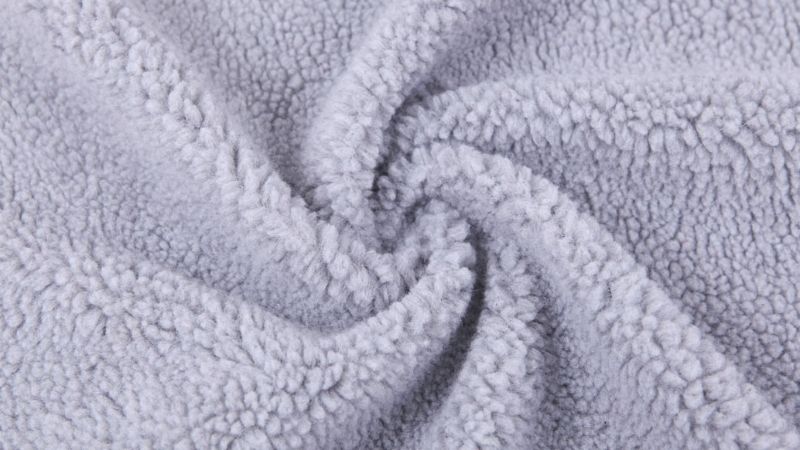
Sherpa describes a wool-like, nubby pile texture rather than one guaranteed fiber recipe. Manufacturers commonly create that look with polyester yarns, although acrylic and blended constructions exist. The curly face helps hold still air close to the textile, making it feel insulating without requiring the weight of real sheepskin.
This explanation was checked against fabric-industry descriptions, published bedding specifications, and US textile-label guidance in October 2026. It reflects documented construction and product care, not a claim that the editorial team independently researched or laundered these fabrics. Always use the label on the specific finished item.
| Fabric or finish | What it looks or feels like | Fiber or construction clue | Practical distinction |
|---|---|---|---|
| Sherpa fleece | Rounded, wool-like curls or nubs | Often polyester pile on a knit backing | Lofty texture is the feature; check actual fiber content |
| Polar fleece | More even brushed, fuzzy surface | Commonly synthetic knit fleece | Usually flatter under another layer of bedding |
| Microfleece | Fine, lower-profile fuzz | Lightweight fleece construction | Less bulky than many high-pile sherpa finishes |
| Genuine shearling | Natural wool attached to hide | Sheepskin with its leather side | Animal-derived material; different cleaning needs |
| Faux fur | Long or varied hair-like pile | Frequently synthetic fibers on backing | Often longer and less tightly curled than sherpa |
| Teddy or bouclé-look fabric | Looped or nubby decorative surface | Material varies widely by product | Similar appearance does not ensure same fiber or care |
| Sherpa-backed throw | Two different finished faces | Sherpa paired with fleece or plush | Read the composition and care for the complete throw |
How the Curly Sherpa Surface Gets Its Loft
Sherpa is usually a knit pile fabric: fibers stand or curl above a base rather than lying flat like a woven bedsheet. Producers create and finish the raised pile to resemble lambswool or faux shearling. The backing supplies structure while the pile supplies the soft touch; in some finished blankets, another textile covers the reverse.
Air can remain between the raised fibers, which explains the cozy feel people associate with sherpa. That does not give every sherpa blanket the same insulation rating. Fabric weight, pile density, backing layers, moisture, and room temperature all influence perceived warmth. An unusually dense throw may feel hotter than a thin sherpa lining.
Sherpa Versus Fleece, Faux Fur, and Real Shearling
Sherpa is often described as a type of fleece, but “fleece” is a much broader retail term. Traditional polar fleece tends to have a more uniform brushed nap; sherpa is recognized by a higher, curled, sheep-like surface. Neither finish automatically wins on warmth, durability, or breathability without comparable product construction.
Real shearling is different: it contains actual sheep hide with wool attached. Synthetic sherpa is generally a faux-shearling look, not another name for leather or wool. Long-pile faux fur can resemble it from a distance, while a teddy or bouclé-style surface may look equally nubby. Touch both sides and consult the tag before assuming two similar throws have the same materials.
Why the Fiber Label Matters More Than the Word Sherpa
A listing that says only “sherpa” tells you about surface texture, not a verified percentage of polyester, wool, or cotton. US Federal Trade Commission textile guidance requires covered textile goods to disclose constituent fibers and their percentages. Depending on the product, pile and backing may be described separately; the care tag also governs cleaning.
For a concrete manufacturer example, L.L.Bean identifies its Cozy Sherpa Wearable Throw as 100% polyester sherpa and specifies machine washing and drying. The Company Store lists a different throw with sherpa on one face and polyester plush fleece on the other. These illustrate why the full fabric description matters; neither establishes a universal recipe or care method.
How to Choose and Care for Sherpa Fabric at Home
For home use, sherpa is best judged by the task you expect it to perform: soft contact against skin, warmth on a bed, or a washable layer for a busy sofa. A plush surface is appealing, but it may also catch lint and flatten when exposed to friction or excessive heat. Match the item to your routine instead of judging softness from photos alone.
For a Sofa Throw, Consider Texture and Ease of Cleaning
Sherpa is attractive on the sofa because its curled pile gives a soft, cozy surface without a heavy wool hide. A reversible throw with a smoother fleece face lets you choose which texture touches your skin. Consider whether crumbs, pet hair, or frequent snacking will make its deep pile inconvenient for an everyday family-room blanket.
Check the actual dimensions before assuming a throw will cover two seated adults or drape over a deep couch. The Company Store publishes a 50-by-70-inch size for one sherpa-and-fleece throw, for example, but that is one product’s measurement, not a standard size for all sherpa blankets. Pick the dimensions and laundering method that suit the way the throw will be used.
For a Bed, Look at the Whole Blanket Construction
A sherpa face can make the upper layer of a bed feel welcoming when the room is cool. Some blankets pair the wool-like pile with fleece, while others use plush polyester on the reverse. Those designs change drape and warmth; two items sold as “sherpa blankets” may feel quite different once they are spread across a queen or king mattress.
Choose by finished size, available layers, and sleeping temperature rather than the name alone. For a sleeper who already uses a warm comforter, a heavy sherpa layer may be unnecessary. If you prefer an airy sheet against your body, place sherpa on top as an optional layer instead of assuming the fuzzy face must always be against the skin.
For Warm Sleepers, Compare Loft Rather Than Labels
Sherpa pile is designed to retain a cushion of air, a benefit in a drafty room but a possible drawback when you already sleep hot. A thin knit fleece can be less bulky, while a substantial sherpa-backed blanket may hold warmth longer. These are tendencies, not measured temperature differences: a product’s overall thickness and weave matter more than the marketing adjective.
Look at whether the throw is meant for decorative layering, occasional naps, or all-night bedding. People who change covers with the season may prefer sherpa as a removable winter layer. If the bed is already warm, a lighter fleece or cotton cover may be more comfortable, depending on the individual and the room conditions.
For Children and Pets, Prioritize Labels and Upkeep
The soft pile can make sherpa appealing for a reading blanket or pet nap area, but it also provides places for hair and lint to collect. Choose an item whose full construction is easy to clean at the frequency your household needs. Loose trim, damaged seams, and detached fibers deserve attention, especially when an item is handled roughly or chewed.
Do not infer that a synthetic sherpa surface is automatically hypoallergenic, stainproof, or flame resistant. These are separate properties that would need evidence for the finished product. Keep bedding away from open flames and direct heat, follow any age-related warnings on the label, and inspect pet blankets for worn backing or exposed filling.
When Shopping, Feel the Pile and Inspect the Reverse
A useful in-store check is to separate the curls gently with your fingers and look at the backing. The pile should feel reasonably consistent across the item, with no obvious bare patches or loose tufts at the edges. Look at the stitching and any joined layers, because quality and cleaning behavior depend on the entire finished blanket, not just the fluffy face.
Online, look for explicit fiber percentages, dimensions, construction, and a complete wash-and-dry instruction instead of claims such as “ultra premium” or “the warmest.” A listing that names sherpa but omits whether the reverse is fleece, plush, or another material leaves an important uncertainty. The textile tag should resolve that before purchase or use.
Wash Gently and Follow the Specific Care Tag
Many polyester sherpa throws are machine washable, but some finished items have backings, trims, coatings, or attachments that change the rule. For an item whose label permits machine washing, a cold gentle cycle and mild detergent are common care choices. Do not substitute those general suggestions for a tag that calls for hand washing or another process.
Drying is equally product-specific. L.L.Bean states that its sherpa wearable throw is machine washable and dryable, while the Company Store instructs a cold gentle wash and low tumble drying for its sherpa pet blanket. High heat can flatten synthetic pile, so avoid hotter settings than the maker permits. If drying instructions are missing, find the manufacturer’s guidance first.
Prevent Matting, and Be Realistic About Fluffing
Repeated rubbing against furniture, strong wash agitation, and excessive drying heat can cause a curly pile to clump or lose loft. Wash with compatible items rather than abrasive hardware or heavy rough fabrics, as long as the label permits. Let the throw dry fully before folding it tightly; storing a damp, compressed pile can leave it looking flat and feeling unpleasant.
If the pile has begun to mat, lightly separate a small inconspicuous area with your fingers once it is dry. Some care guides discuss gentle brushing, but an aggressive brush can pull loops or damage the backing. Test any method cautiously and stop if fibers catch. Melted or permanently compacted synthetic pile cannot reliably be restored to its original factory finish.
Frequently Asked Questions
The following questions address details that a basic fabric name cannot settle. For any particular blanket or jacket, the fiber-content and care labels remain the clearest source of product-specific information.
Is Sherpa Fabric Waterproof?
No. A fluffy sherpa surface on its own should not be treated as waterproof or spillproof. Synthetic fibers may take up less moisture than some natural materials, but water can still pass through the knit, seams, or backing. The soft appearance tells you nothing conclusive about a hidden waterproof membrane.
If you need protection for a sofa or pet bed, look for an item that explicitly specifies a waterproof barrier. For instance, the Company Store describes a separate sherpa-and-fleece pet blanket with a waterproof layer between the fabrics. That protection comes from the constructed layer, not from sherpa pile itself.
Can Sherpa Be Made From Recycled Polyester?
Yes. A sherpa-style pile can be made with recycled polyester yarn, but “sherpa” by itself does not mean the fiber is recycled. The finish describes texture, while recycled content describes where the material feedstock came from. Check the seller’s specific fiber statement and supporting documentation if recycled content is important to your purchase.
Also distinguish recycled content from an overall environmental claim. A polyester textile, whether made with virgin or recycled resin, can release small synthetic fibers during wear and laundering. How much depends on construction and use, and a product labeled recycled is not automatically free from shedding or easier to dispose of.
Is Sherpa the Same as Teddy Fabric?
Not necessarily. Retailers use “teddy” for a variety of soft, rounded, fur-like surfaces, and some teddy fleeces look very similar to sherpa. The two names can overlap in appearance without telling you that the pile height, backing, or fibers are identical. “Bouclé” can refer to looped yarns or textured fabrics with a related visual effect.
To compare two products, read the fiber label and product description, then look closely at the pile. Sherpa usually suggests curled imitation-shearling fluff, whereas teddy and bouclé can cover a wider range of decorative textures. The label—not a marketing nickname—should decide how you wash a finished cover or blanket.
Can You Use Sherpa Bedding During Summer?
Yes, but comfort depends on room temperature and personal preference. A thin sherpa-accented throw might work in a cool, air-conditioned room, while a dense double-layer blanket may feel too warm in summer. The curled surface adds loft, but it does not create a fixed temperature rating or guarantee how any one person will sleep.
For year-round use, select an easily removable throw rather than treating sherpa as a required base layer. You can fold it at the foot of the bed and bring it into use only when the room turns cold. A lighter sheet or breathable cover can do the everyday work, leaving the fluffy layer available when extra warmth feels welcome.
Final Thoughts
So, what is sherpa fabric? It is a soft, curly-pile textile, usually polyester, that imitates the cozy feel of shearling without requiring real sheepskin. For blankets and bedding, compare the whole fabric construction, fiber label, size, and care instructions. The best choice is the one that feels comfortable and stays practical after repeated use.
