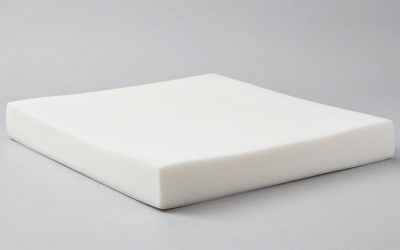
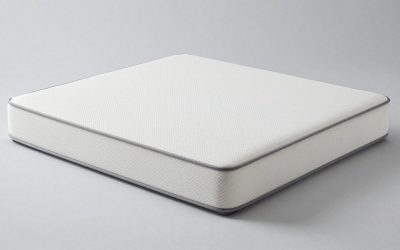
Cotton flannel is often the better starting point if you want a softly brushed sheet with a more breathable feel. Polyester microfleece can suit someone who enjoys a plush, cozy bed surface. For flannel vs fleece sheets, choose by fiber content, sheet weight, moisture comfort, and fitted-sheet fit, not by which fabric has the fuzziest photograph.
As an Amazon Associate we earn from qualifying purchases.
By KK Home Furnishings Editorial Team
Flannel vs Fleece Sheets: What Changes at Bedtime
A sheet touches the sleeper and wraps a mattress, so the comparison differs from picking an extra blanket. Start with the fabric construction and its contact feel, then consider what happens when the room warms up, the sleeper moves, or the fitted corners pull tight. Neither material name alone supplies a measured warmth rating, and both come in more than one quality level.
| Sheet Feature | Typical Cotton Flannel | Typical Polyester Microfleece | Decision Check |
|---|---|---|---|
| Fabric structure | Woven fabric with raised, brushed surface | Usually knit with a plush raised surface | Read the fiber label and fabric description |
| First-touch feel | Soft, slightly fuzzy and less slick than smooth cotton | Plush, thicker-feeling contact surface | Which texture you want against skin |
| Moisture comfort | Cotton can absorb moisture; comfort varies by weave | Polyester often holds less moisture in fibers; comfort varies by knit | How you feel during warmer parts of the night |
| Bulk and drape | Ranges from light to heavy brushed fabrics | Often loftier than plain cotton sheets | Ease of making the bed and shifting covers |
| Care trade-off | Possible lint, pilling and cotton shrinkage | Possible pilling, lint attraction or heat-sensitive pile | Exact wash and dry instructions |
| Fitted-sheet fit | Depends on sheet dimensions and pocket design | Depends on sheet dimensions and stretch | Mattress depth including topper or protector |
Read the Weave, Knit and Fiber Content Separately
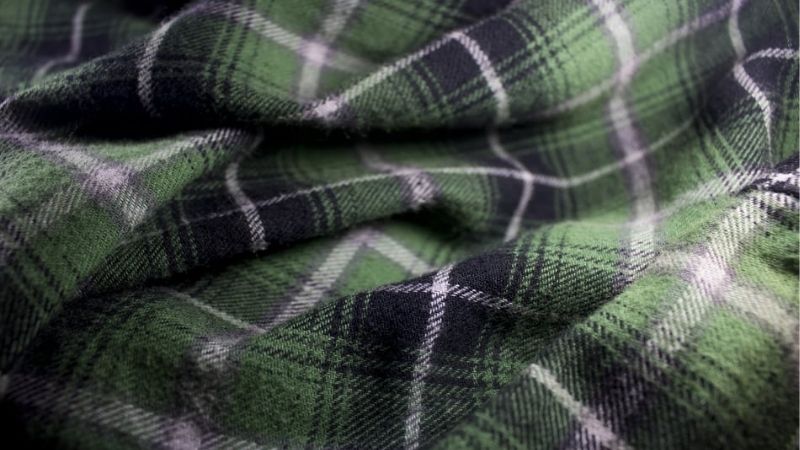
Flannel describes a brushed textile, often woven from cotton for bedding. Its tiny raised fibers create the familiar soft, slightly fuzzy contact surface without requiring a thick blanket pile. Fleece sheet sets commonly use polyester microfleece, often in a knit construction that creates a plush face. This is not the same comparison as fleece versus sherpa blankets, because these fabrics remain against the sleeper and fitted over the mattress.
Neither name legally guarantees one fiber. Cotton, synthetic and blended versions of flannel exist, while a fleece description still needs a separate composition statement. The FTC’s Textile Fiber Rule requires covered US textile products to identify their constituent fibers by generic names and percentages [FTC, 2014]. Read that label before deciding that a fuzzy sheet must be cotton or that a product called flannel cannot contain polyester.
Compare Airflow, Moisture and Warmth Without Guesswork
Brushing gives cotton flannel a warmer first touch than a crisp, unbrushed sheet, but its eventual sleep comfort depends on fabric weight, how tightly it is woven and the other bedding above it. Microfleece offers a more prominent plush surface; thicker versions may feel insulated on contact. Neither characteristic proves that one type will keep every sleeper warmer throughout a night, because bedroom temperature and coverings change the result.
Cotton can absorb water into its fibers, whereas polyester absorbs relatively little in the fiber itself. That distinction can influence how sheets feel when a sleeper becomes warm, but construction and ventilation matter as much as the label. An absorbent cotton surface can also feel damp if it accumulates moisture. A polyester knit may dry readily after washing yet still feel too insulating for somebody who wants airy bedding.
Check Sheet Weight, Pocket Depth and Actual Set Contents
Do not compare flannel thread count with the plushness of fleece as if both measured warmth. Some flannel sellers specify fabric weight instead. As one US-market example, L.L.Bean lists its Ultrasoft Comfort Flannel Sheet Set as 100% brushed cotton flannel at a 5 oz fabric weight [L.L.Bean, accessed October 2026]. That description belongs to this line; it is not an industry cutoff for warm or cool flannel.
For a contrasting sheet example, Target lists the True North by Sleep Philosophy Micro Fleece Sheet Set as 100% polyester, with fitted-sheet accommodation up to 16 inches of mattress depth [Target, accessed October 2026]. L.L.Bean’s cited flannel fitted sheet lists a 15-inch pocket. Those figures illustrate why a mattress, topper and protector should be measured together. They do not establish a universal fleece or flannel pocket size, and set contents differ by size.
Adjust for Your Situation
Think about your actual bed rather than shopping by a seasonal label. A lightly heated apartment and a drafty guest room can call for different sheets, even if both households describe themselves as cold sleepers. These situations focus on the fitted sheet touching skin, the top sheet moving with the sleeper, and whether one set can handle changing indoor conditions.
For a Cold Sleeper Who Dislikes Heavy Blankets
Try a plush microfleece fitted sheet when the main complaint is the cold sensation of climbing into bed, rather than inadequate warmth under the comforter. Its raised surface can feel inviting immediately against bare feet or legs. That does not mean fleece independently warms the mattress or eliminates the need for adequate covers. Consider how the full bed feels after you have been lying there awhile.
If a deeply plush surface catches on pajamas or feels excessive once the room settles, brushed cotton flannel offers an alternative with less pronounced pile. Choose whichever texture lets you turn easily and remain comfortable through normal temperature changes. Resist adding extra quilts just to compensate for a sheet that feels wrong on contact; adjust one layer at a time instead of rebuilding the entire winter bed.
For Someone Who Gets Warm After Falling Asleep
Start with cotton flannel if you want some surface softness without choosing the loftiest fabric available. A woven cotton flannel may be easier to combine with a light blanket or breathable comforter, especially in a house where the thermostat changes after bedtime. Still, heavy flannel can also feel warm. Check the listed fabric weight and avoid treating cotton as a promise of temperature control.
If you find either fabric uncomfortable halfway through the night, try keeping the fitted sheet but using a lighter top layer, or switch to a smooth cotton sheet in warmer months. The aim is an adjustable sleep setup, not a contest between two marketing labels. If nighttime overheating is persistent or accompanied by concerning symptoms, ask a healthcare professional rather than attributing everything to the sheets.
For a Deep Mattress with a Topper or Protector
Prioritize fitted-sheet dimensions before warmth. A 15-inch pocket on one cotton flannel set and a 16-inch stated fit on one microfleece set do not guarantee that either will stay put on every mattress. Measure the actual finished bed height after adding the protector or topper, then examine elastic placement, corner construction and the maker’s listed maximum depth. The fabric name cannot make up for shallow corners.
A stretchy fleece knit may feel forgiving while you put the sheet on, but stretching the textile is not a substitute for correct pocket sizing. Woven flannel may feel more structured yet still fit securely when cut for the bed. If the corners creep upward each morning, solve the fit problem before buying a warmer version of the same style. Retucking loose fabric night after night is not a heat-retention strategy.
For a Household That Washes Sheets Frequently
Compare care labels before committing to either fabric. Cotton flannel can release loose surface fibers during early washes; L.L.Bean’s own flannel product information notes that some lint in the dryer screen is expected and may decrease over time [L.L.Bean, accessed October 2026]. Synthetic microfleece can also shed fibers or develop pills. Neither sheet type comes with a universal promise of effortless laundering or a fixed number of wash cycles before visible wear.
Choose the set whose washing and drying directions fit your household routine. The cited True North microfleece set is listed as machine washable and tumble dryable, but this does not authorize high heat for every fleece sheet. A cotton flannel set may also allow machine washing and drying, yet the maker’s instructions remain decisive. Fast laundry turnover is only useful if the fabric can be cleaned and fully dried as directed.
For a Shared Bed with Different Texture Preferences
Start by identifying which sensation causes the disagreement. One sleeper may like the velvety touch of cotton flannel while another prefers the cloudlike pile of microfleece. A shared fitted sheet forces both people onto the same contact surface, even if they use separate blankets. In this situation, adding a second blanket does not solve an objection to the sheet rubbing against skin or pajamas.
When the preferences are far apart, a thinner, less textured sheet may be a better neutral base while each person chooses a separate top cover. If one partner strongly prefers plush sheets, try a small swatch or a returnable set before replacing all the bedding. Also consider the feel of the pillowcases; the texture next to the face can matter more than the sheet beneath the knees.
For a Guest Room Used Across Several Seasons
Favor versatile cotton flannel when guests may arrive during cool and moderate weather and you want one familiar, brushed surface. Flannel is not automatically all-season, but midweight choices can be easier to pair with removable bedding as conditions shift. An unusually heavy set might still be uncomfortable for a summer guest. Keep an alternative lighter sheet available if the room regularly gets warm.
Choose microfleece when the guest room is predictably chilly and the extra plush texture is a deliberate feature, not simply the only sheet in the closet. Inspect storage odors and fitted-sheet elasticity before guests arrive. If the room is infrequently occupied, spare clean sheets in a dry location and follow the model’s care directions before use. Label the sizes so a queen set is not accidentally stretched across a different mattress.
Frequently Asked Questions
Shopping terminology can hide important differences between sheet sets that look similarly fuzzy online. These answers clarify claims about brushing, thread count, laundering changes and whether the top sheet has to match. Each detail is useful when checking an actual listing, even after you have chosen the basic texture you prefer.
What Does Double-Brushed Mean for Flannel Sheets?
Double-brushed generally means the manufacturer has raised fibers on both faces of the fabric to create a softer surface on each side. L.L.Bean describes its flannel as brushed on both sides in its sheet guide [L.L.Bean, accessed October 2026]. The term describes finishing, not a standardized temperature increase or proof of a particular fiber blend. It also says nothing by itself about the depth of a fitted sheet pocket.
A double-brushed sheet may feel similarly soft whether the sleeper touches the front or back of the fabric. Yet two products using that phrase can differ in yarn, fabric weight and the density of the raised nap. Look for close-up photographs or product descriptions of the finished fabric, then confirm fiber content and care before deciding the adjective signals a meaningful upgrade over another flannel set.
Is Thread Count Useful When Shopping for Fleece Sheets?
Usually not. Thread count refers to a thread-based way of describing certain woven textiles and does not give a meaningful measure of plush synthetic microfleece. The US-market True North microfleece sheet listing explicitly marks thread count as not applicable [Target, accessed October 2026]. A seller cannot establish fleece softness or warmth simply by borrowing a high number from another category of sheet fabric.
For fleece, compare the named fiber, pile texture, fabric description and whether the finished set has sufficient dimensions for your mattress. For cotton flannel, the same thread-count obsession is unhelpful because brushing and weight influence contact feel. Ask what each listed number actually measures rather than assuming a larger number always signals better durability, stronger insulation or an easier laundry routine.
Should New Flannel Sheets Be Washed Before Sleeping on Them?
Follow the product’s own preparation and care instructions; many shoppers choose to wash new sheets before first use, but the permissible method depends on the set. A wash can remove loose finishing debris and make it easier to assess how a brushed surface behaves. It should not be treated as a guaranteed fix for an unpleasant fabric texture, unwanted chemical odor, or a fitted sheet that is already too small.
Check whether the maker describes preshrinking or special finishing before choosing wash temperature or dryer heat. Cotton fabrics can change size with laundering depending on finishing and handling, while polyester textiles have their own heat sensitivities. If a retailer offers size-specific care guidance, preserve that information and avoid assuming the instructions printed on a different brand’s fleece sheet are transferable.
Do the Fitted Sheet and Top Sheet Have to Match Fabrics?
No. There is no bedding rule that requires the fitted sheet and top sheet to use the same textile. If you want a plush surface underneath but prefer a smooth layer above you, you can mix a microfleece fitted sheet with a lighter top sheet, assuming the pieces fit and feel comfortable together. Conversely, a brushed cotton fitted sheet can work beneath a lighter or heavier upper layer according to the season.
Mixed fabrics can also be more practical than purchasing a complete matching set when your existing pillowcases or top sheet still meet your needs. Just remember that different fabrics may have different care instructions, shrinkage behavior and drying times. Keep track of which item needs which treatment, and check sheet dimensions individually rather than assuming everything sold as queen or king has identical coverage.
Final Thoughts
For flannel vs fleece sheets, the final choice should start with the fabric you want touching you, then move to mattress depth and care. Before ordering, check the exact fitted-sheet pocket after including your topper or protector. If your favorite texture comes in a poorly fitting set, a better-fitting alternative is likely to serve your bed more reliably.