Our Top Picks
 Resolve Urine Destroyer Enzyme Cleaner Spray32 Fl Oz (Pack of 1)3 x 5.14 x 10.63 inches2 PoundsCheck on Amazon
To get urine out of a mattress, blot up as much liquid as possible without rubbing, treat the spot lightly with an enzyme cleaner (or a diluted white vinegar spray for a fresh accident), let it work, cover it with baking soda, vacuum, and then let the mattress dry completely with good airflow. Speed matters most: a fresh spill is far easier to remove than a dried one, and the mattress must end up fully dry or the odor and mold risk return.
The method below follows the common ground in cleaning guidance from sleep-health publishers, continence-care advice pages and cleaning guides, which generally agree on blotting, enzyme products, baking soda and slow drying. Details such as exact contact times differ from product to product, so the label on your cleaner and the care tag on your mattress always take priority.

Biokleen Bac Out Enzyme Cleaner, Stain & Pet Odor Eliminator, Lime Scent | Pet Stain Remover for Carpet, Enzymatic Cleaner for Dog Urine, Cat Urine Enzyme Cleaner Destroyer, Eco-Friendly, Non-Toxic
Chosen because it specifies Stain & Pet Odor Eliminator and Lime Scent.
View on AmazonResolve Urine Destroyer Enzyme Cleaner Spray, Pet Carpet Cleaner Solution | Enzyme cleaner spray for carpet stains; pet stain remover for dog urine, cat urine and odor control after accidents.
Chosen because it specifies Pet Carpet Cleaner Solution and cat urine and odor control after accidents..
View on Amazon
Eco Strong Pet Stain and Odor Remover - Cat Urine Enzyme Cleaner Destroyer, Urine Destroyer for Dogs, Pet Urine Enzyme Cleaner - 32 OZ
Chosen because it specifies Cat Urine Enzyme Cleaner Destroyer and Urine Destroyer for Dogs.
View on Amazon
Urine B-Gone Enzyme Cleaner for Human, Cat & Dog Urine, Lavender, 1 Gallon | Enzyme cleaner for human, cat and dog urine on laundry, carpets and more; lavender scent, 1-gallon size.
Chosen because it specifies Cat & Dog Urine and Lavender.
View on AmazonUrine Stain Removal at a Glance
| Situation | Best first move | Follow-up | Key caution |
|---|---|---|---|
| Fresh spill (minutes to hours old) | Blot with dry towels, pressing down, never rubbing | Light mist of enzyme cleaner or a half-and-half vinegar and cold water spray, then baking soda | Use as little liquid as possible |
| Dried stain (a day or older) | Vacuum the surface, then apply enzyme cleaner and keep the area damp for the label’s contact time | Baking soda overnight, repeat the cycle if odor remains | Heat and hair dryers can set the stain and odor |
| Memory foam or latex mattress | Blot, then dab cleaner onto a cloth and wipe the area instead of spraying heavily | Baking soda, long air drying | Foam holds moisture and should never be soaked |
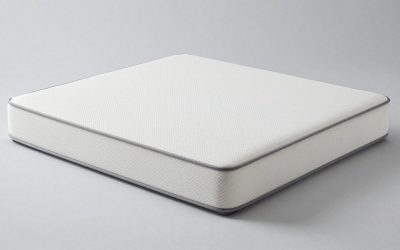
| Innerspring or hybrid | Blot, light enzyme application | Baking soda, fan-assisted drying | Liquid can reach coils and padding below the surface |
| Odor remains after two or three rounds | Check whether urine reached the core | Consider professional cleaning or replacement | Persistent dampness can mean mold |
What You Need Before You Start
- Clean white towels or paper towels for blotting
- An enzyme cleaner made for urine (pet-odor and baby-stain products often use this chemistry)
- Plain white vinegar and cold water in a spray bottle, if you want the gentler household option for a fresh spill
- Baking soda
- A vacuum with an upholstery attachment
- A fan and, if possible, an open window
- Rubber gloves
Wear gloves, ventilate the room, and test any cleaner on a hidden corner of the mattress or on the lower side edge first, waiting until the spot is dry to check for discoloration. Never mix cleaning products with each other. In particular, bleach must never be combined with ammonia, vinegar or any other cleaner, because the fumes can be dangerous, and urine itself contains ammonia-related compounds that can react with bleach to release irritating chloramine gas. Do not use bleach on a mattress at all.
Step-by-Step: Fresh Urine
- Strip the bed. Remove sheets, protector and any pad and put them straight into the wash. Urine left in fabric keeps smelling and can spread back onto the mattress.
- Blot, do not rub. Press dry towels firmly into the wet area and swap them for fresh ones until little moisture transfers. Rubbing pushes liquid deeper into the padding and spreads the stain outward, which makes it harder to reach later.
- Apply a light layer of cleaner. For an enzyme cleaner, mist the stained area and a little beyond its edge, because urine usually spreads wider than the visible mark. Enzyme products work by breaking down the compounds in urine that cause the stain and smell. The goal is damp, not saturated.
- Wait the label time. Many products call for roughly ten to thirty minutes of contact, but follow your own label. Cutting this short is a common reason odor comes back days later.
- Blot again. Lift the dissolved residue out with a clean dry cloth rather than leaving it to dry in the mattress.
- Cover with baking soda. Spread a generous, even layer over the damp area. It absorbs leftover moisture and neutralizes odor. Leave it for several hours or overnight; several guides say at least eight hours. Baking soda absorbs moisture and odor but does not disinfect, so it supports the cleaner rather than replacing it.
- Vacuum it up. Use the upholstery attachment, going slowly in both directions.
- Dry completely. Point a fan at the spot, open a window, and stand the mattress on its side if you can do so safely. Drying can take many hours or more than a day depending on how much liquid soaked in. Do not make the bed until the surface and the area underneath feel fully dry.
Step-by-Step: Old or Dried Urine
- Vacuum the dry surface. This removes crystals and dust so the cleaner can reach the stain.
- Apply enzyme cleaner. Dried urine needs the enzymes to rehydrate and work, so many product labels ask you to dampen the stain thoroughly, but on a mattress that must still mean a controlled amount, applied with a cloth or a few light sprays rather than a pour.
- Allow longer contact. Some guides suggest letting the product air dry in place for a long period instead of blotting it away, because the enzymes need moisture to keep working. Others blot sooner. Because advice varies, follow the product label.
- Add baking soda and leave overnight. Vacuum in the morning.
- Repeat if needed. Old stains often take two or three treatment cycles before the odor fully disappears. Let the mattress dry between cycles.
Enzyme Cleaner vs Vinegar vs Baking Soda: What Each Does
| Product | What it does | Best for | Limits |
|---|---|---|---|
| Enzyme cleaner | Uses enzymes that break down the organic compounds in urine, including those behind lingering odor | Dried stains, recurring smell, thorough odor removal | Needs contact time; apply sparingly to foam; test first |
| White vinegar and water | Mild acid that helps loosen residue and can reduce smell; extension-style advice pairs a little detergent with a roughly half-and-half vinegar and water rinse for fresh stains | Fresh spills when no enzyme cleaner is at hand | May not fully remove odor from old or deep stains; its own smell fades as it dries |
| Baking soda | Absorbs moisture and neutralizes odor | Final step after any cleaner | Does not lift a stain by itself; must be vacuumed up completely |
| Mild dish soap suds | Lifts surface soil using only the foam, not the water | Light surface marks | Rinse residue by dabbing with a barely damp cloth |
| Hydrogen peroxide mixtures | Sometimes suggested in home recipes for stubborn yellowing | Light-colored fabric on an innerspring mattress after a patch test | Can bleach or discolor fabric, and sleep-health guidance warns it can damage foam and latex; skip it on foam, never mix it with other cleaners, and test a hidden spot first |
The reasoning behind the sequence is simple. Urine leaves behind compounds that normal soap does not fully break down, so an enzyme cleaner is the usual first choice for odor. Vinegar is a reasonable stand-in for a fresh accident, though it does not break down the uric acid residue that enzyme products target, and it is not appropriate for every mattress, so check the care label first. Baking soda is the finishing step because it removes both moisture and smell without adding more liquid.
Memory Foam and Other Foam Mattresses: Do Not Soak
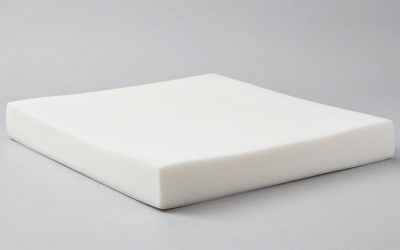
Foam is built from open cells that soak liquid up like a sponge and release it slowly. Cleaning guidance consistently warns that memory foam is not designed to get wet, so use as little cleaning solution as possible. Apply the product to a cloth and dab, or use a few light mists, rather than pouring or spraying heavily. Press with a dry towel to draw moisture out, and avoid heat sources such as hair dryers, which can damage foam and set odor. Allow generous drying time, with a fan, before putting a protector and sheets back on. Always check the manufacturer’s care guidance first, because some warranties exclude damage from liquid.
Drying: Why It Matters More Than the Stain
A visible stain is a cosmetic problem. A mattress that stays damp is a hygiene problem, because lingering moisture encourages mildew and a musty smell. Practical drying habits include:
- Keep a fan running across the area and ventilate the room
- Prop the mattress so air can reach the underside where possible
- Avoid covering a damp mattress with a protector or sheets
- Check by pressing a dry paper towel on the spot; any transfer of moisture means it needs longer
Direct sunlight can help freshen a mattress that is safe to move outdoors, but it is not suitable for every material, so check the care label before relying on it. Avoid high heat.
Troubleshooting
| Problem | Likely cause | What to do |
|---|---|---|
| Smell returns after the mattress seems dry | Urine reached deeper layers or the cleaner did not get enough contact time | Repeat the enzyme cycle with longer contact, then baking soda overnight and slow drying |
| Yellow ring remains | Stain compounds left in the fabric or residue from cleaner | Dab with a barely damp cloth to remove residue; try a second enzyme round; patch-test any stronger option |
| Musty or sour odor | Moisture trapped inside the mattress | Dry thoroughly; if the smell persists, suspect mildew and see the replacement section |
| Cleaner left a stiff or stained patch | Too much product or no residue removal | Blot with a lightly damp cloth, dry, and vacuum |
| Dark spots or visible fuzzy growth | Possible mold | Stop DIY cleaning; wear a mask and gloves if handling is unavoidable and consult a professional cleaner or the manufacturer |
When to Replace the Mattress
Replacement is worth considering if urine soaked through to the core, the smell keeps coming back after several full enzyme rounds with proper drying, there is visible mold, or the mattress has also lost support or developed sagging. Cleaning guidance generally says that a mattress with deep contamination or ongoing mildew is hard to restore fully. If you are unsure, contact the manufacturer about warranty terms and ask a professional mattress cleaner whether the piece is salvageable.
Prevention: Protector, Pad and Routine
- Waterproof mattress protector. A fitted, breathable waterproof protector is the most effective barrier. Wash it according to its label.
- Washable absorbent pad. For frequent accidents, a pad over the protector under the fitted sheet is easier to launder than a whole bedding set.
- Spare layers. Layered bedding lets you remove the top set quickly at night.
- Regular cleaning. Vacuuming and airing the mattress periodically helps keep it fresh.
Bedwetting in children and incontinence in adults are common and nothing to be ashamed of. If accidents are frequent, new, or come with other symptoms such as pain, unusual thirst, or a sudden change in habits, a doctor or continence nurse can check for treatable causes. Protection and quick cleaning help the mattress, but they do not replace medical advice.
Frequently Asked Questions
Can I use vinegar instead of an enzyme cleaner?
For a fresh accident, a spray of equal parts white vinegar and cold water followed by baking soda is a common household approach. For dried stains or persistent odor, an enzyme cleaner is generally the stronger choice. Never combine vinegar with bleach or other cleaners.
How long does a mattress take to dry after urine cleaning?
It depends on how much liquid soaked in, the mattress type and the airflow. Cleaning guides often suggest anywhere from several hours to a full day or more, and some say days for a heavily soaked mattress. Use a fan and test with a dry paper towel before covering the mattress.
Why does the smell come back?
Usually some urine remains in the deeper padding or the cleaner was not left long enough to work. Repeating the enzyme step, allowing contact time, using baking soda overnight and drying slowly often solves it. If it keeps returning, moisture or mildew inside the mattress may be involved.
Is it safe to use a steam cleaner on a mattress with urine?
Many manufacturers advise against steaming because heat and moisture can set odor, damage foam and leave the interior damp. Check the care label and warranty before considering it. A dry, gentle method with enzyme cleaner and baking soda is usually the safer starting point.
Do I need to treat old stains differently from fresh ones?
Yes. Fresh stains respond to blotting and a light treatment. Old stains often need an enzyme cleaner with longer contact time and sometimes two or three cycles with drying in between.
Can I save a memory foam mattress after a big accident?
Often, if you act quickly, blot thoroughly, use minimal liquid and dry it fully. Heavy soaking is harder because foam retains moisture. If odor or dampness persists, ask the manufacturer or a professional cleaner for advice.
When should I see a doctor about repeated accidents?
If accidents are new, frequent, or accompanied by other symptoms, a doctor or continence nurse can look for treatable causes. This applies to both children and adults, and it is a sensible step alongside using a waterproof protector.