Our Top Picks
Yes, most mattress protectors can be machine washed, and washing them regularly is part of keeping a mattress clean, but the care label decides the details: use a gentle cycle in cool to warm water, skip bleach and fabric softener, and dry on low heat or air dry, because high heat is the main cause of cracked or peeling waterproof backing. The Sleep Foundation and many bedding makers suggest laundering a protector roughly every one to two months (sources vary, from every few weeks to every few months), and sooner after spills, night sweats, pet accidents or illness. Some protectors, especially allergen-proof encasements built for hot washing, carry different instructions, so the label always comes first.
Mattress Protector Care at a Glance
| Care step | Typical guidance | Reason |
|---|---|---|
| Check the label | Look for wash temperature, dryer permission and ironing symbols | Constructions differ; some are air-dry only |
| Water temperature | Cool to warm for most waterproof protectors; hot only if the label allows | Heat can damage the waterproof film |
| Cycle | Gentle or delicate, washed alone or with soft items | Reduces stress on seams and backing |
| Detergent | Mild liquid detergent, modest amount, extra rinse if available | Residue can clog the breathable layer |
| Bleach | Avoid | Degrades membrane and fabric over time |
| Fabric softener | Avoid | Leaves a coating that can reduce absorbency and breathability |
| Drying | Low heat or no heat, or line or flat dry | High heat can melt or crack the backing |
| Ironing | Do not iron | Direct heat will damage the waterproof layer |
| Frequency | Roughly every one to two months, and after spills | Sweat, skin cells and dust collect over time |
Why the Care Label Matters
A mattress protector is usually a layered product: a soft top fabric, a thin waterproof membrane or film (often polyurethane or a similar material), and sometimes a stretchy skirt or fitted sides. The label reflects how the manufacturer built these layers and what they can tolerate. Some makers say a low-to-medium tumble dry is fine; others recommend line drying only. Bedding retailers’ guides acknowledge this inconsistency, so the one reliable rule is to follow the label that came with your own protector. If the label is missing, a conservative approach is cool water, a gentle cycle and air drying.

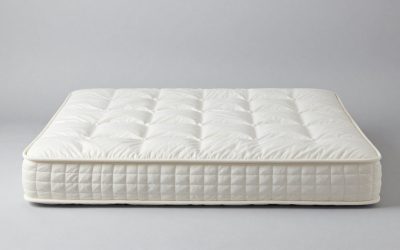
BEDLORE Waterproof Mattress Protector, Queen Size Mattress Pad Noiseless | Deep Pockets Fit 6"-18" Mattresses, Soft Breathable Dirt-proof Bed Mattress Cover Washable for Home, Bedroom, Hotel (Gray)
Chosen because it specifies Queen Size Mattress Pad Noiseless and Deep Pockets Fit 6"-18" Mattresses.
View on Amazon
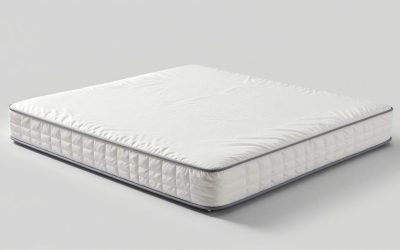
BEDLORE Waterproof Mattress Protector, Queen Size Mattress Pad Noiseless | Deep Pockets Fit 6"-18" Mattresses, Soft Breathable Dirt-proof Bed Mattress Cover Washable for Home, Bedroom, Hotel (White)
Chosen because it specifies Queen Size Mattress Pad Noiseless and Deep Pockets Fit 6"-18" Mattresses.
View on Amazon
PlushDeluxe Bamboo Waterproof Mattress Protector, Queen Size, Ultra Soft | Breathable, Noiseless, Hypoallergenic, Washable, 60x80" Up to 18" Deep, Viscose Derived from Bamboo Mattress Cover, White
Chosen because it specifies Queen Size and Ultra Soft.
View on Amazon
Queen Size Mattress Protector Waterproof,Absorbent Fitted Sheet | up to 18" Deep Pocket,Mattress Cover Queen Size Bed Sheets,Terry Machine Wash Protection Mattress Protector
Chosen because it specifies Absorbent Fitted Sheet and up to 18" Deep Pocket.
View on AmazonStep-by-Step: How to Wash a Mattress Protector
- Strip it from the bed and check for damage. Look for holes, peeling backing or loose seams. A damaged waterproof layer will not protect the mattress, so replacement may be due.
- Shake or vacuum off loose debris. This keeps hair and lint out of the washing machine drain.
- Pre-treat stains gently. Dab a small amount of mild soap or an enzyme cleaner on organic stains and let it sit briefly according to the product label. Cold water is the safer start for blood or urine, since heat can set them.
- Load the washer sensibly. Wash alone or with a few soft items so the drum is not overloaded. Zippers and hook fasteners from other items can catch and snag the protector.
- Select a gentle cycle with cool to warm water. Many retailer care guides give a ceiling of roughly 105°F (40°C) for standard waterproof protectors; this is a common convention rather than a universal standard, and your label may differ.
- Use a modest amount of mild detergent. More soap is not better; leftover residue can reduce breathability. An extra rinse helps.
- Skip bleach and fabric softener. If a stain needs more than soap, consult the label for an oxygen-based option, and never mix laundry products together.
- Dry carefully. Transfer to a dryer on low or air-fluff setting, or hang or lay flat. Remove it promptly while slightly damp if the label allows, and finish air drying.
- Confirm it is fully dry before remaking the bed. A damp protector traps moisture against the mattress.
Drying: The Step Where Most Damage Happens
Bedding care guides repeatedly point to the dryer as the likeliest cause of protector failure. Waterproof films can soften, wrinkle, crack or delaminate at high temperatures. Using the lowest heat setting, adding a couple of clean dry towels or dryer balls to speed drying and reduce clumping, and checking the protector often are common suggestions. Hanging it over a rack or laying it flat avoids heat entirely and is the gentlest method.
Different Types: Protectors, Covers and Encasements
| Item | What it is | Washing notes |
|---|---|---|
| Waterproof protector | Fitted layer with a liquid barrier | Cool to warm, gentle, low heat; no bleach or softener |
| Non-waterproof cover or pad | Cotton or quilted layer for comfort and light protection | Usually more tolerant; follow the label |
| Allergen-proof encasement | Zippered cover that encloses the whole mattress | Some are rated for hot washing for mite control; the label states this explicitly |
| Bed bug encasement | Zippered cover with a sealed closure | Follow the label; do not tear or snag, and avoid removing it during a treatment period unless a pest professional advises |
| Mattress topper | Foam, latex or fiber layer | Often not machine washable; check separately |
Mayo Clinic advises washing sheets, pillowcases and bedcovers in water of at least 130°F (about 54°C) to kill dust mites, and that figure is widely repeated by allergy groups. Hot water can scald, so use the washer’s hot program rather than raising the water heater setting. This applies to ordinary cotton bedding, not automatically to protectors. A protector with a waterproof film should only be washed that hot if its label says it is rated for it.
How Often Should You Wash It?
Guidance varies by source. The Sleep Foundation suggests every one to two months, depending on what the protector comes into contact with. Some bedding guides say as often as every two to four weeks for people who sleep hot, share the bed with pets, have young children, or live in humid climates, while others say several months can be enough for light use. Washing immediately after any spill or accident is consistently advised. Regular washing also helps the protector do its job: a buildup of oils and residue can make the surface less breathable and less comfortable.
Keeping the Waterproof Backing from Cracking
- Keep wash water in the cool to warm range unless the label permits hotter.
- Dry on low heat or air dry; remove promptly from the dryer.
- Never iron or place on a radiator or heater.
- Avoid bleach, harsh stain removers and fabric softener.
- Avoid excess agitation by not overloading the washer.
- Do not fold the protector tightly while hot, since creases set into the film.
- Store clean and fully dry, loosely folded, in a cool place.
Troubleshooting Table
| Problem | Likely cause | Fix |
|---|---|---|
| Backing is peeling or flaking | Heat exposure or age | Stop using if it no longer protects; replace. Use lower heat next time |
| Protector feels sticky or crinkly | Detergent or softener residue, or heat damage | Rewash with no softener, little detergent and an extra rinse |
| Liquid soaks through | Worn membrane or damaged seam | Replace; washing cannot repair the film |
| Musty smell after washing | Not dried fully | Rewash and dry completely, preferably in fresh air |
| Stain remains | Set stain | Retreat with mild soap or an enzyme cleaner per label; avoid bleach |
| Fits too tightly or loosely after washing | Shrinkage or elastic stretched | Check label; use lower heat; replace if the fit leaves the mattress exposed |
When to Replace a Protector
There is no universal lifespan. Replacement is worth considering when the waterproof layer leaks, the backing is flaking, the elastic has failed, or odors do not wash out. If a protector is on a mattress that was affected by bed bugs, a pest control professional can advise whether it should be laundered, kept sealed or discarded. For incontinence-related use, a protector that fails often is a reason to review the product choice, and if accidents are frequent or new, a doctor can help look into causes in a respectful and private way.
Washing Special Situations
After an illness, a pet accident or a significant spill, wash the protector as soon as possible rather than waiting for the regular schedule. Rinse or blot away solids first, treat the spot gently, and then launder according to the label. For households managing heavy night sweats, frequent accidents or allergies, keeping a spare protector means the bed can be remade immediately while the other one is washing and drying, which also removes the temptation to rush the drying step with high heat. Rotating two protectors also spreads wear, which can extend the life of the waterproof layer. If you notice a persistent odor that survives washing, check whether the mattress underneath absorbed moisture, since a protector that leaked may have let liquid reach the mattress itself.
Label symbols are a quick guide: a washtub symbol with a number indicates the maximum water temperature, a crossed-out triangle means no bleach, and a square with a circle indicates tumble drying, where dots show the heat level. A crossed-out iron means do not iron. If symbols are unreadable, assume the gentlest option.
Frequently Asked Questions
Can I put a waterproof mattress protector in the dryer?
Many can be dried on a low heat setting, but some are labeled air-dry only. High heat is the leading cause of cracked or peeling waterproof backing. When in doubt, line dry or lay it flat.
Can I use fabric softener or bleach on a protector?
Care guidance generally says to avoid both, and the label has the final word. Fabric softener can leave a coating that reduces breathability, and bleach can degrade the waterproof layer and fabric. Never mix bleach with other cleaning products.
How hot can the water be?
Cool to warm water is the safe default for most waterproof protectors, with some guides citing a limit around 105°F (40°C). Allergen-proof encasements rated for hot washing may allow more, but only if the label says so.
How often should a mattress protector be washed?
The Sleep Foundation suggests every one to two months, and other guides say more often for hot sleepers, pets, children or after any spill. Wash immediately after accidents so the stain does not set.
Do mattress covers and encasements follow the same rules?
The principles are similar: read the label, wash gently, avoid softener and bleach, and dry on low heat. Zippered encasements need extra care to keep the zipper and seams intact, because any tear can defeat their purpose.
Should I wash a new protector before using it?
Many makers suggest a first wash to remove manufacturing residue and soften the fabric. Some natural-fiber protectors may also shrink slightly to fit, so follow the instructions that came with yours.