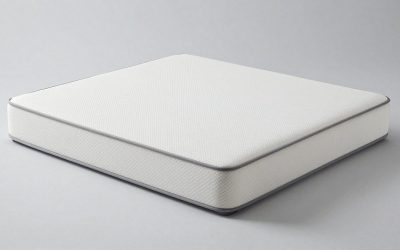
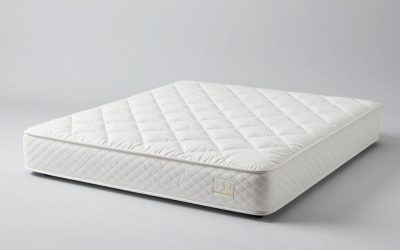
Our Top Picks
A gel memory foam mattress topper may feel cooler when you first lie down, but there is little independent evidence that gel keeps you meaningfully cooler all night, because memory foam still tends to trap body heat more than other materials. Gel infusion, gel swirls and gel beads are designed to absorb or move some heat, yet airflow features such as open-cell or perforated foam, and a breathable cover, probably matter as much. For a hot sleeper, a latex, wool or fiber topper, or a ventilated foam topper with a cooling cover, is often a more reliable choice than gel alone.
Cooling Topper Materials at a Glance
| Material | How it handles heat | Feel | Trade-offs |
|---|---|---|---|
| Traditional memory foam | Dense and responsive to body heat, so it tends to hold warmth | Slow, hugging, deep contour | Warmest of the group for many sleepers |
| Gel-infused or gel-swirl memory foam | Gel is meant to absorb and release some heat; effect may be modest | Similar contour, often cool at first touch | Cooling claims are mostly manufacturer-reported |
| Open-cell or perforated foam | Internal pockets or holes allow air to move | Contouring with more bounce | Benefit depends on design and the cover |
| Latex | Described as sleeping cooler than memory foam, with more ventilation | Springy, responsive | Heavier; some people avoid it for latex allergy reasons |
| Wool, down and fiber fill | Breathable; wool also helps manage moisture | Soft, cloud-like | Less pressure relief; may compress over time |
| Polyfoam | Perforations can help airflow | Bouncier, less contouring | Less durable; may have an initial odor |
Sleep-industry guides note that memory foam tends to trap heat, that temperature control improves with gel, graphite or copper infusions, breathable covers, open-cell structure and phase-change fabrics, and that latex generally sleeps cooler than memory foam.

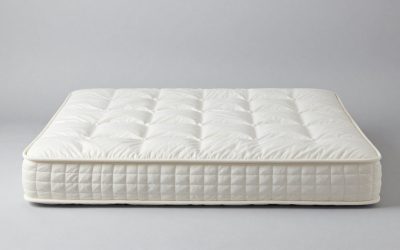
OLIXIS 3 Inch Queen Cooling Gel Infused Memory Foam Mattress Topper Bed Pad | CertiPUR-US Certified, Soft Ventilated Pressure Relieving Bed Pad in a Box, Breathable Plush Feel
Chosen because it specifies CertiPUR-US Certified and Soft Ventilated Pressure Relieving Bed Pad in a Box.
View on Amazon
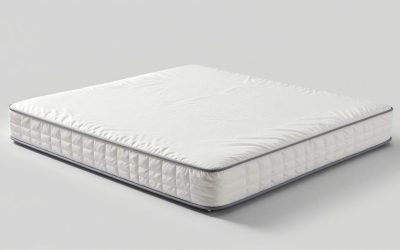
EGO 2 Inch Twin Mattress Topper Gel Memory Foam for Pressure Relief | Cooling Gel Infused, Dorm Room Essentials Bed Topper in a Box, CertiPUR-US Certified, 75"Lx38"W
Chosen because it specifies Cooling Gel Infused and Dorm Room Essentials Bed Topper in a Box.
View on AmazonEGO 3 Inch Queen Mattress Topper Gel Memory Foam for Pressure Relief | Cooling Gel Infused, Ventilated Design Bed Topper in a Box, CertiPUR-US Certified, 80"Lx60"W
Chosen because it specifies Cooling Gel Infused and Ventilated Design Bed Topper in a Box.
View on Amazon
Linenspa 3 Inch Gel Memory Foam Mattress Topper, Plush, Cooling, Queen Size | CertiPUR-US certified, Gel-infused, Plusher feel, 3 in profile, Softens firm beds, Expands in 24-48 hrs, 3 yr warranty
Chosen because it specifies Plush and Cooling.
View on AmazonHow Gel-Infused Foam Is Supposed to Work
Memory foam softens as it warms, so the surface around your body gets warmer and sinks a little further. Manufacturers try to interrupt that cycle in a few ways:
- Gel beads or microbeads mixed into the foam. They are intended to behave like phase-changing material that takes up and releases heat. This is the usual explanation given for gel foam feeling cool when you first lie down.
- Gel swirls or layers. A visible gel pattern in the foam or a gel layer on the top. The gel is a design feature, but the amount and placement vary widely between products.
- Open-cell structure. Larger or more connected air pockets allow heat and moisture to disperse more easily.
- Perforations and channels. Holes or cut channels give air a path through the foam.
- Metal or graphite additions. Copper and graphite are sometimes added to help conduct heat away.
Whether any of these keep your skin temperature lower overnight depends on the individual product, your body, the sheets, the room temperature and the mattress underneath.
What the Evidence Does and Does Not Show
- Most cooling claims come from manufacturers or retailers. Independent, controlled evidence on gel toppers in particular is limited.
- Sleep-focused reviewers generally describe the effect as an improvement over standard memory foam, not a solution. One widely read guide says cooling additions help but memory foam still generally retains heat more than other mattress types.
- Reviews of individual gel toppers range from average temperature control to above average, which suggests that cooling depends heavily on the whole design and not just the word “gel.”
- Early coolness can fade as the foam warms to body temperature. Retailer and review-site explanations put the noticeable effect in roughly the first hour or two of sleep, but that timing is not backed by a published controlled study, so what you feel in the first minutes may not match how you feel at 3 a.m.
The honest summary: gel may help a little, particularly in combination with airflow features, but it is not guaranteed to solve night sweats or a mattress that sleeps hot.
The Cover Fabric Matters
The cover is what touches your skin and what first meets the air, so it affects the heat you feel as much as the foam does. Guides list organic cotton as breathable, bamboo-derived rayon as cooling to the touch, and engineered phase-change fabrics as another option. Removable, machine-washable covers also make it easier to keep sweat and body oil from building up. A thick, quilted or polyester-heavy cover can undo some of a foam’s cooling features.
Thickness and Placement
| Topper thickness | Typical purpose | Heat considerations |
|---|---|---|
| About 2 inches | Mild softening of a firm mattress | Less foam to hold heat; you stay closer to the mattress surface underneath |
| About 3 inches | Noticeable contouring and pressure relief | More foam around the body; ventilation features matter more |
| About 4 inches | Maximum cushioning | Sinking deeper into foam tends to increase warmth |
Sleep guides place most toppers at roughly 1 to 4 inches, with 2 to 4 inches the most common range. If heat is the main complaint, a thinner topper often traps less warmth than a thick one, and sleeping on top of a topper rather than sinking into it keeps more of your body exposed to airflow.
Tips for Hot Sleepers
- Consider whether the mattress itself sleeps hot. A topper over a warm mattress may not fix the underlying issue.
- Choose breathable bedding: cotton, linen or other lightweight fabrics, and fewer layers on top of the topper.
- Use a breathable, washable cover and keep it clean, since sweat and oils can reduce breathability over time.
- Lower the bedroom temperature, use a fan, and keep the room ventilated. Indoor humidity matters too, and allergy guidance for dust mite control generally suggests keeping relative humidity at or below about 50 percent.
- Let a new foam topper air out in a ventilated room, since foam can have an initial smell, and follow the manufacturer’s care instructions.
- Persistent night sweats that are not explained by the bedroom environment are worth mentioning to a doctor.
Choosing a Topper by Sleep Situation
| If you… | Consider | Why |
|---|---|---|
| Sleep hot and want contouring | Ventilated or open-cell foam with a breathable cover | Gives pressure relief while adding airflow |
| Sleep very hot | Latex, wool or a fiber topper | These materials are generally more breathable than dense foam |
| Want a plush, soft surface | Fiber fill or down alternative | Fluffy and airy, but less supportive |
| Have joint or pressure pain | A foam topper, with a clinician’s input if pain is ongoing | Foam conforms; chronic pain deserves a professional opinion |
| Have allergies | Check materials and use a zippered, allergen-proof cover as appropriate | Dust mite control is more than the topper material |
Caring for a Foam Topper
- Check the care label before cleaning. Many foam toppers should not be machine-washed or soaked.
- Wash the cover as the label directs, and consider a separate protector to keep the foam clean.
- Spot clean spills with minimal liquid, test a hidden spot first, and let the foam dry completely in a ventilated room.
- Avoid soaking foam, which can cause mold and odor. If you suspect mold, do not scrub, and replace it if it is widespread.
- Rotate or flip as the manufacturer advises, and replace when it permanently compresses.
Troubleshooting
| Problem | Likely cause | Fix |
|---|---|---|
| Sleeps hot despite gel | Dense foam, thick topper or heavy cover | Try a thinner or ventilated topper, a breathable cover and lighter bedding |
| Feels cool then warm | Foam warming to body temperature | Add airflow, adjust room temperature, consider latex or wool |
| Chemical smell | New foam off-gassing | Air out in a ventilated room before use |
| Topper slides around | Smooth mattress surface | Use a topper with a skirt or straps, or a non-slip pad |
| Dips or permanent indentations | Foam compression with age | Replace the topper |
Realistic Expectations
A topper is a surface layer, so it cannot change how the mattress underneath handles heat, how warm the room is, or how many layers of bedding are on top. If the goal is comfort with a little extra coolness, a ventilated gel foam topper in a moderate thickness with a breathable cover is a reasonable compromise, provided you expect an improvement over plain foam rather than a cold surface. If the goal is to stay as cool as possible, materials that breathe naturally, such as latex, wool or fiber fill, are the safer bet, even though they feel different from contouring foam. Sleepers who like the hug of memory foam but run warm may find that a thinner layer and lighter bedding matter more than the gel label. Whatever the material, read the care label, and keep the topper clean and dry to prevent odors and moisture problems.
Frequently Asked Questions
Does gel memory foam sleep cooler than regular memory foam?
It often feels cooler at first touch, and some reviews rate it as better than standard foam. Independent evidence is limited, and airflow and cover fabric may influence comfort as much as the gel itself.
What is the coolest type of mattress topper?
Sleep guides generally describe latex as sleeping cooler than memory foam, and wool, down and fiber toppers as breathable. The coolest choice for you also depends on the cover, the thickness and the mattress underneath.
Is open-cell foam better than gel foam for heat?
Open-cell construction allows air to move through the foam, which helps disperse heat. Many toppers combine open-cell foam with gel, so it is best to look at the whole design, not one feature.
Does a thicker topper sleep hotter?
Often, yes. Sinking deeper into foam surrounds more of the body with insulation, so a thinner topper tends to retain less heat for most sleepers.
How long should a new foam topper air out?
Follow the instructions that come with it. Letting a foam topper rest in a ventilated room before use is a common step, since some foams have an initial smell.
Can I wash a gel memory foam topper?
Usually not. Foam should not be soaked or machine-washed, so check the care label, wash the removable cover as directed, and spot clean the foam with minimal liquid.
When should I see a doctor about night sweats?
If you regularly wake drenched in sweat even in a cool, well-ventilated room, mention it to a doctor. Persistent night sweats have many possible causes that a topper cannot fix.