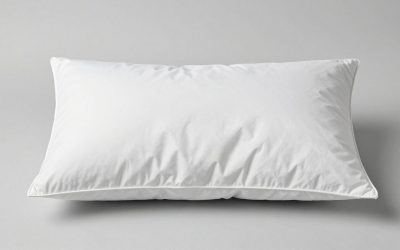
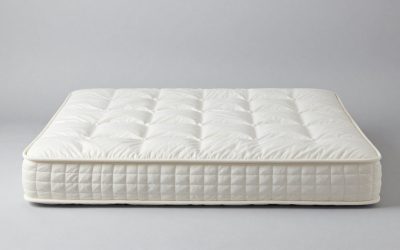
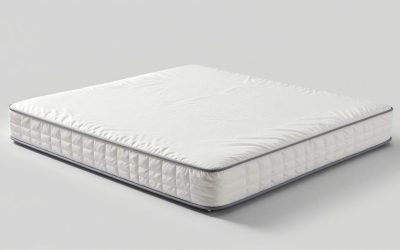
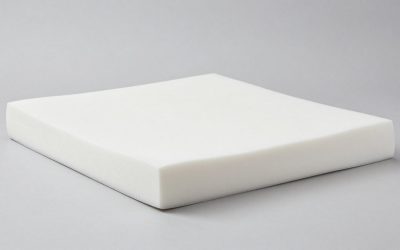
Our Top Picks
For most sleepers a 3-inch memory foam mattress topper is the usual middle choice: 2 inches gives a mild softening, 3 inches balances cushioning with support, and 4 inches suits side sleepers, heavier sleepers or very firm and worn mattresses. The best thickness depends on your sleep position, body weight, how firm your mattress is, and how warm you sleep, and thicker is not automatically better.
The guidance below combines the ranges that mattress-topper guides generally agree on. These sources are mostly retailer and sleep-advice pages rather than laboratory studies, so the ranges are rules of thumb. Treat the weight bands as starting points and adjust to your own comfort.

OLIXIS 3 Inch Queen Cooling Gel Infused Memory Foam Mattress Topper Bed Pad | CertiPUR-US Certified, Soft Ventilated Pressure Relieving Bed Pad in a Box, Breathable Plush Feel
Chosen because it specifies CertiPUR-US Certified and Soft Ventilated Pressure Relieving Bed Pad in a Box.
View on Amazon
EGO 2 Inch Twin Mattress Topper Gel Memory Foam for Pressure Relief | Cooling Gel Infused, Dorm Room Essentials Bed Topper in a Box, CertiPUR-US Certified, 75"Lx38"W
Chosen because it specifies Cooling Gel Infused and Dorm Room Essentials Bed Topper in a Box.
View on AmazonEGO 3 Inch Queen Mattress Topper Gel Memory Foam for Pressure Relief | Cooling Gel Infused, Ventilated Design Bed Topper in a Box, CertiPUR-US Certified, 80"Lx60"W
Chosen because it specifies Cooling Gel Infused and Ventilated Design Bed Topper in a Box.
View on Amazon
Linenspa 2 Inch Gel Memory Foam Mattress Topper, Plush, Cooling, Queen Size | CertiPUR-US certified, Cooling gel infusion, Plush pressure relief, Fits under standard fitted sheets, Expands in 24-48 hrs
Chosen because it specifies Plush and Cooling.
View on AmazonTopper Thickness at a Glance
| Thickness | Feel | Best for | Watch out for |
|---|---|---|---|
| 1 to 1.5 inches | Light surface softening | Slightly firm beds, stomach sleepers, lighter sleepers | May bottom out under heavier bodies |
| 2 inches | Noticeable comfort layer, bed feel changes little | Newer mattresses, back and stomach sleepers, lighter to average weight | Limited pressure relief for strong side sleepers |
| 3 inches | Balanced cushion and support | Most sleepers, combination sleepers, mildly firm or aging mattresses | Heat retention in foam; sheet fit |
| 4 inches | Deep contouring | Side sleepers, heavier sleepers, very firm mattresses | Too much sink, instability, weight, extra bed height |
How Thickness Changes Pressure Relief and Support
A topper is a comfort layer on top of the mattress. A thicker layer lets your body sink further before reaching the mattress below, which spreads pressure around the shoulders and hips. A thinner layer lets the mattress below stay more in charge of support, so the bed feels firmer and more stable.
That trade-off explains most advice. Side sleepers put weight on narrow points, the shoulder and hip, and typically benefit from more depth. Stomach sleepers need the hips to stay level with the shoulders, and too much sink can arch the lower back, so thinner toppers are commonly suggested. Back sleepers sit in between, where a moderate layer keeps the spine in a neutral line while cushioning the curve of the lower back.
By Sleeper Type
| Sleeper | Common suggestion | Reason |
|---|---|---|
| Side sleeper | 3 to 4 inches (some guides say 2 to 4) | More depth for shoulders and hips |
| Back sleeper | 2 to 3 inches | Cushion without letting the pelvis sink too far |
| Stomach sleeper | 1 to 2 inches | Keeps hips supported and aligned |
| Combination sleeper | 2 to 3 inches | Easier to change position than on a deep foam layer |
| Couples with different needs | About 3 inches, or choose a split-style option | Compromise between preferences |
By Body Weight
Heavier bodies compress foam more, so a thin layer can flatten and stop cushioning. One frequently cited rule of thumb is roughly 1 to 2 inches for sleepers under about 130 pounds, 2 to 3 inches for about 130 to 230 pounds, and 3 to 4 inches above about 230 pounds. Other retailer guides draw the lines elsewhere (for example, 2 to 3 inches under about 150 pounds, 3 inches from about 150 to 250 pounds, and 4 inches above that), so the cutoffs clearly vary. These bands come from consumer advice pages and are not standards, so use them as a guide only, and weigh sleep position and mattress firmness alongside body weight. Foam density also matters, and a denser foam of a given thickness will resist compression longer than a lighter one.
By Mattress Firmness and Condition
| Your mattress | Topper thickness to consider | Why |
|---|---|---|
| New and comfortable but a little firm | 2 inches | Adds a little give without altering support |
| Very firm | 3 to 4 inches | Needs more depth to change how the surface feels |
| Medium and in good shape | 1.5 to 2 inches, or none | It may already suit you; a thick layer could over-soften it |
| Older with slight wear | 3 inches | Adds cushion and a smoother surface, though it cannot fix structure |
| Sagging, broken coils or deep body impressions | Replace the mattress | A topper follows the shape of what is beneath it |
Memory Foam Density and Quality
Thickness is only half the story. Density, the weight of foam per cubic foot, influences how long the topper holds its shape and how supportive it feels. Higher-density foam tends to be firmer to compress and more durable, while lower-density foam is softer and may form body impressions sooner. Product pages often list density, but test methods and descriptions vary, so compare similar products and read the return policy and warranty. A thinner topper of good foam can feel better than a thick one of poor foam.
Heat Retention
Memory foam softens with body heat and conforms closely, which can trap warmth. A thicker layer puts more foam between you and the airflow in the room, so hot sleepers often prefer thinner foam, open-cell or ventilated designs, or other materials such as latex or fiber. Gel-infused and breathable cover claims vary by product, so look for specific construction details rather than marketing words. The mattress, bedding, and room temperature all affect how warm the bed feels.
Sheet Fit, Weight and Bed Height
- Sheet pockets. A topper adds to the bed’s height, so you need fitted sheets with deep enough pockets for both mattress and topper. Check the stated pocket depth before buying.
- Weight and handling. Thick foam is heavy and awkward to move, so consider how often you will change the sheets and whether you can lift it. Bigger sizes are heavier still.
- Bed height. Extra inches raise the sleeping surface, which can be a challenge for shorter people, children’s beds or low-ceiling lofts.
- Staying put. Anchor straps or a snug fitted sheet help stop sliding. Thicker foam can slide less due to weight but may shift on a smooth mattress cover.
- Frames and rails. On bunk beds or beds with low rails, thick toppers may reduce safety clearance, so check the manufacturer’s guidance.
When Thicker Is Worse
- Stomach sleepers. Deep sink can put the lower back in an arch.
- Lighter sleepers. They may not compress thick foam enough to feel the benefit of it and can feel as if they lie on top of a slab.
- Hot sleepers. Extra foam can hold more warmth.
- People with mobility issues. A deep, soft layer makes changing position and getting out of bed more effortful.
- Beds with structural problems. A thick topper does not repair sagging or broken support.
- Soft mattresses. Adding 4 inches of soft foam to a soft bed can leave you without enough support.
Step-by-Step: Choosing Your Thickness
- Identify your main sleep position. This sets the starting range because pressure points differ between positions.
- Note the mattress firmness and age. Firm or worn beds usually need more cushion, soft ones usually need less.
- Consider your weight. Heavier bodies compress more.
- Think about heat. If you sleep warm, pick the thinner end of your range or a more breathable material.
- Check sheet pocket depth and bed height. Make sure your bedding and frame will work with the added thickness.
- Check the return policy. Comfort is personal, and foam can feel different after a few nights as it expands and settles.
Decision Table: Which Thickness Should You Pick?
| Your situation | Start with |
|---|---|
| Side sleeper on a firm mattress | 3 or 4 inches |
| Back sleeper on a medium-firm mattress | 2 or 3 inches |
| Stomach sleeper | 1 or 2 inches |
| Hot sleeper | 2 inches, or a breathable material |
| Heavier sleeper | 3 or 4 inches with higher-density foam |
| Unsure | 3 inches |
Care and Lifespan Notes
Foam toppers are spot cleaned rather than machine washed, so a washable protector helps keep them fresh. Follow the care label, and check the manufacturer’s warranty on body impressions, since they typically specify a minimum depth before a claim is accepted. Replace a topper when it develops permanent dips, crumbles, or no longer relieves pressure.
Breaking In a New Topper
Foam toppers often arrive compressed and may need time to expand to their full thickness. Manufacturers commonly advise unpacking the topper in a ventilated room and giving it a period to expand and air out, since new foam can have a faint odor that fades. Expect the feel to change slightly over the first nights as the foam settles, and judge comfort after a short adjustment period rather than on the first night. Choose a topper with a clear return window, because thickness is a personal choice and what feels right on paper can feel different once you are lying on it.
Frequently Asked Questions
Is a 3-inch memory foam topper good?
For many sleepers, yes. Three inches is widely described as a balanced thickness that adds cushioning without losing too much support. It suits many side, back and combination sleepers, though stomach sleepers may prefer thinner.
Is a 4-inch topper too thick?
It can be, depending on the person. It tends to suit side sleepers, heavier sleepers and very firm beds, but it may feel too sinking for lighter or stomach sleepers, and it adds weight and height.
What thickness is best for side sleepers?
Guides commonly suggest 3 to 4 inches, with some accepting 2 inches on a mattress that is already soft. The extra depth cushions the shoulders and hips.
Will a thicker topper make an old mattress better?
It can improve comfort on a mattress that is merely firm or slightly worn. It cannot fix sagging, broken springs or uneven support, and in those cases replacing the mattress is the safer solution.
Do I need new sheets for a mattress topper?
Often yes. A topper increases the bed’s total height, so you need fitted sheets with pockets deep enough to cover both layers. Check the pocket depth listed on the sheet.
Does a thicker topper sleep hotter?
Memory foam can retain heat and more foam means more material to hold it. If you sleep warm, consider a thinner layer, a ventilated or open-cell foam, or a different material.
How do I know if my topper is the wrong thickness?
Signs include back or hip pain, feeling stuck in the foam, sliding, or bottoming out so you feel the mattress. Many sellers offer trial periods, so check the policy; if pain persists, speak to a clinician.