Our Top Picks
 4 Pack Waterproof Reusable Heavy Absorbency Incontinence Bed34x36 Inch (Pack of 4)0.7 poundsCheck on Amazon
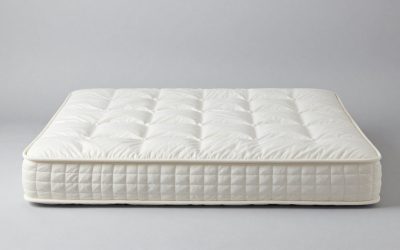
For bedwetting or incontinence, the most reliable setup is layered: a fitted waterproof mattress protector directly on the mattress, then an absorbent washable bed pad or a disposable underpad where leaks usually happen, then the fitted sheet; the protector guards the mattress but absorbs almost nothing, while the pad catches the liquid and is far easier to change than the whole bed. Which pad you choose depends on how much leakage there is, how often laundry is practical, and what feels comfortable and dignified for the person sleeping there.
Protectors and Pads at a Glance
| Product | What it does | Best for | Main drawbacks |
|---|---|---|---|
| Waterproof mattress protector (fitted or zippered) | Blocks liquid from reaching the mattress; no real absorbency | Every bed where leaks are possible | Can feel warm or noisy if the waterproof layer is plastic-like; liquid can pool on top |
| Washable bed pad (quilted, absorbent, waterproof backing) | Absorbs and holds liquid, then is laundered | Light to moderate leaks, regular home use | Usually absorbs less than disposables; needs laundry and drying time; own several |
| Disposable underpad | Single-use absorbent layer with plastic backing | Heavier leaks, travel, nights when laundry is not possible | Ongoing cost and waste; thin and can shift or fold |
| Waterproof bedding or duvet cover | Purely a barrier | Protecting pillows and quilts | No absorbency |
| Absorbent underwear or briefs | Manage leakage at the source | Used alongside bed products | A personal choice; bed pads support but do not replace them |
Why the Layers Work Together
A mattress protector with a waterproof membrane is excellent at protecting the mattress core, but it does not soak up liquid. Urine can run across the surface, soak the sheet and reach the sides. An absorbent pad on top draws liquid in and keeps the person drier. Continence product guidance, including the Bladder & Bowel Community’s Continence Product Advisor, treats bed pads and a waterproof mattress protector as back-up for night-time leakage, and retailer and user guidance commonly describes the same layered approach: a waterproof mattress cover first, then a softer waterproof pad or an underpad, which can be washable or disposable.
4 Pack Waterproof Reusable Heavy Absorbency Incontinence Bed Pads 34"x36" | Utopia Bedding Washable Underpads, Chuck Pads for Adults, Kids, Elderly and Pets, Bedwetting Pads for Sofa and Couch, Blue
Chosen because it specifies Utopia Bedding Washable Underpads and Chuck Pads for Adults.
View on Amazon
IMPROVIA® Washable Underpads, Heavy Absorbency Reusable Incontinence Pads | for Kids, Adults, Elderly, and Pets, Waterproof Protection Floor - Green & Blue, 34"x36" (Pack of 4)
Chosen because it specifies Heavy Absorbency Reusable Incontinence Pads and for Kids.
View on Amazon
Washable Bed Pads 36" x 72" - 2 Pack, Grey, Waterproof Bed Pads for Incontinence, Bed Wetting Pads for Bed, Sofa, Floor, Resuable Underpads for Adults, Seniors, Pet
Chosen because it specifies 2 Pack and Grey.
View on Amazon
Bed Pads Washable Waterproof, Incontinence Bed Pads, 34" x 52", 2 Pack | Reusable, Absorbent Underpads for Adults, Seniors and Pets, Ideal for Mattress, Sofa and Couch Protection
Chosen because it specifies Incontinence Bed Pads and 34" x 52".
View on AmazonA waterproof layer by itself has no absorbent capacity. Published research on incontinence products, such as the Cochrane review of absorbent products, concentrates on body-worn products, and direct trials comparing washable and disposable bed pads are hard to find. Because of that, specific absorbency claims should be treated with caution, and personal trial is the practical test.
Protector Types and Waterproof Layers
| Construction | How it works | Feel and noise | Notes |
|---|---|---|---|
| Vinyl or plastic-like film backing | Solid plastic barrier | Often crinkly and warm | Typically lower cost; may be less breathable and can wear faster |
| Polyurethane or TPU membrane laminated to fabric | Thin waterproof film bonded to a soft top | Quieter, more flexible | Common in higher-quality protectors; breathability varies |
| Fabric with waterproof coating | Coating applied to cloth | Soft, but can stiffen with repeated washing | Follow the wash temperature on the label |
| Zippered encasement | Fully surrounds the mattress | Depends on the fabric | Protects all sides; useful when leaks are frequent or the mattress is hard to clean |
| Fitted sheet style with skirt | Covers top and sides to the stated depth | Depends on the fabric | Check the pocket depth against your mattress thickness |
Look for a protector that is described as fully waterproof, not just water resistant, if leaks are regular. A genuine waterproof backing, such as polyethylene or a polyurethane laminate, matters more than a thick top fabric, because a thick top with no barrier layer soaks through.
Washable Pads, Disposable Pads and Protectors Compared
| Factor | Washable pad | Disposable underpad | Protector alone |
|---|---|---|---|
| Absorbency | Moderate; retailer guides often say less than disposables, though evidence is limited | Light to moderate, designed for single use | None; barrier only |
| Comfort | Soft, often more comfortable | Can feel crinkly; thin; may shift | Depends on the fabric |
| Laundry load | Must wash and dry between uses; keep a rotation | No laundry for the pad | Wash occasionally or after a leak |
| Waste and cost pattern | Higher upfront, reusable | Lower upfront, continuous purchase and waste | One-time purchase |
| Travel, hospital stay, sleepovers | Bulky | Convenient | Not practical to carry |
| Skin considerations | Wash well; keep skin dry | Folds can cause pressure or irritation | Not applicable |
Choosing by Situation
| Situation | Suggested setup |
|---|---|
| Child with occasional night accidents | Fitted waterproof protector plus a washable pad under the sheet; a spare set of sheets and pad nearby for quick changes |
| Child with frequent bedwetting | Protector plus two layers: sheet, pad, sheet, pad, so the top layers can be stripped in the dark without remaking the bed |
| Adult with light leaks | Waterproof protector plus a washable quilted pad; absorbent underwear if desired |
| Adult with heavy leakage or limited mobility | Zippered waterproof encasement plus absorbent underwear and a larger disposable or high-absorbency washable pad |
| Short-term recovery, travel or guest bed | Disposable underpads on top of a protector |
| Hot sleeper or noise-sensitive person | Breathable membrane protector with quiet fabric; avoid thick plastic films |
Fit, Size and Placement
- Measure the mattress depth. Include any topper. Reason: a protector with a pocket that is too shallow pops off at the corners, leaving gaps at the edges.
- Choose the protector size to match the mattress exactly. Reason: a loose protector bunches and creates folds that leak or irritate skin.
- Position a pad under the hips and torso. Reason: that is where most leakage lands. Some people tuck the pad under a fitted sheet so it stays in place during sleep.
- Use a pad large enough for movement. Reason: small pads cannot cover the area when someone changes position at night.
- Keep surface layers smooth. Reason: wrinkles can cause skin pressure and allow liquid to run to the edge.
Noise, Heat and Breathability
The most common complaints about waterproof protectors are crinkling noise and heat. Thin plastic films tend to be the noisiest and least breathable, while polyurethane laminates bonded to soft knit tops are generally quieter and more flexible. If the person overheats, a breathable membrane, a cotton or moisture-wicking top, and lighter bedding help. Sleep information sources also note that a protector should not trap heat so much that it causes sweating, which can itself dampen the bed and complicate the problem. Check reviews and product descriptions for noise and breathability, but avoid treating them as guarantees.
Washing and Care
- Follow the care label for temperature and drying; high heat can damage the waterproof layer.
- Care guidance for washable pads generally says they are laundered like normal bedding but that fabric softener should be avoided, since it can coat fibers and reduce absorbency; check the label.
- Rinse or pre-wash soiled items to remove urine before the main wash, and wash promptly to limit odor.
- Do not use bleach on waterproof layers unless the label permits it, and never mix bleach with ammonia-containing products or other cleaners.
- Dry as the label directs; some require low heat or line drying.
- Inspect regularly for cracks, thin spots, peeling or worn edges, and replace when the barrier fails.
- Keep at least two or three sets so that a spare is ready while others are in the wash.
- If urine reached the mattress, blot it, treat it with an enzyme cleaner applied to a cloth, avoid soaking the mattress, test a hidden spot first, ventilate the room and dry the mattress thoroughly.
Dignity-Friendly Strategies
Bedwetting and incontinence are common and not a character flaw. NHS guidance says bedwetting in children is not the child’s fault, that it is common and many children grow out of it, and that punishing a child can make the situation worse. It also suggests waterproof covers on the mattress and duvet. For adults, a calm and practical approach matters as much as the product.
- Choose quiet, soft products so the bed does not announce itself as medical equipment.
- Pick sheets and pads in ordinary colors and patterns that match the bedroom.
- Make nighttime changes easy: layer sheet and pad twice, keep a spare set and towel within reach, and use a dim light.
- Let children take part in changes if they want, in a matter-of-fact way, and avoid talking about it in front of others.
- Make the toilet easy to reach at night with a clear path and a night light.
- For adults who need help, offer choices and privacy and keep products out of sight.
Troubleshooting
| Problem | Likely cause | Fix |
|---|---|---|
| Liquid reaches the mattress | Protector does not fully cover the sides, worn waterproof layer, or pad too small | Replace the protector, check the fit and depth, use a larger pad or an encasement |
| Pad slides during the night | Pad lacks grip or is not tucked in | Tuck it under a fitted sheet, choose a pad with tuck-in wings or non-slip backing |
| Bed feels hot or sweaty | Plastic backing and thick layers | Switch to a breathable membrane and lighter fabric |
| Lingering urine smell | Residue in fibers or the mattress | Wash promptly, pre-rinse, avoid fabric softener; treat the mattress with an enzyme cleaner and dry it fully |
| Skin redness | Prolonged dampness or wrinkles | Change wet layers quickly, keep surfaces smooth, and ask a clinician or pharmacist about skin care |
| Pads lose absorbency | Softener residue or wear | Wash without softener; replace worn pads |
When to Talk to a Clinician
Bed protection manages the mess, not the cause. NHS guidance advises seeing a GP if home measures have not helped and the child keeps wetting the bed, or if a child who has been dry for more than six months starts wetting the bed again. Treatment options a clinician can discuss include bedtime routines, alarms and, in some cases, medication; this article does not give any doses or treatment instructions.
For adults, new or worsening incontinence, a sudden change in bladder control, pain, blood in the urine, fever, or leakage after a fall or a medication change all deserve a doctor’s attention. Bladder control problems are common and often treatable, and persistent issues are worth checking. If skin breaks down or becomes sore under a pad, ask a healthcare provider or nurse for advice.
Frequently Asked Questions
Do I need both a mattress protector and a bed pad?
For regular leaks, using both is generally the most effective. The protector shields the mattress, and the pad absorbs liquid and is simple to wash. For a rare accident, a good waterproof protector alone may be enough.
Are washable pads as good as disposable ones?
Washable pads are usually described as more comfortable and cheaper over time, while retailer guides often say disposable underpads absorb more. Disposables suit heavier leaks and travel, though they create ongoing waste and can shift or fold. Product research is limited and dated, so try what suits the situation.
Why does my waterproof protector feel noisy or hot?
Thin plastic or vinyl backings tend to crinkle and trap heat. Protectors with a polyurethane or TPU membrane bonded to a soft fabric are generally quieter and more breathable, though results vary by product.
How many protectors and pads should I own?
Having at least two or three sets is a practical minimum, so there is always a clean one while another is being washed or dried. Families managing frequent accidents often keep more.
Can I wash waterproof protectors with bleach or fabric softener?
Fabric softener is best avoided because it can reduce absorbency in pads, and bleach can damage waterproof layers unless the label allows it. Always follow the care label, and never combine bleach with ammonia or other cleaners.
What if urine soaks into the mattress anyway?
Blot as much as possible with dry towels, apply an enzyme cleaner to a cloth rather than the mattress, test a hidden spot first and avoid soaking. Ventilate the room and dry the mattress completely, because lingering damp can cause odor or mold; a mattress that stays wet or smells musty may need replacing.
When should I see a doctor about bedwetting?
See a doctor if bedwetting continues despite home strategies, if a child begins wetting again after being dry for six months or more, or if an adult develops new or worsening incontinence. A clinician can look for treatable causes and discuss options.