Our Top Picks
A bed bug mattress encasement is a fully zippered cover that seals a mattress or box spring so bed bugs inside cannot get out to feed and bed bugs outside cannot hide in the mattress; to work, it needs a closure that seals completely, a durable fabric without tears, a correct fit, and it should stay on for at least a year, since bed bugs can survive many months without feeding. An encasement is not a cure by itself. It removes a major hiding place and makes inspection easier, but the rest of the room still has to be inspected and treated, and the EPA and university extension services advise involving a pest management professional when an infestation is suspected.
Bed Bug Encasements at a Glance
| Feature | What to look for | Why it matters |
|---|---|---|
| Closure | Zipper that closes completely, ideally with a stop, flap or lock at the end | Gaps at the zipper end are a known weak point |
| Coverage | Full enclosure of mattress, plus a matching cover for the box spring | Box springs are a common hiding place |
| Fabric | Smooth, tight weave with sealed seams | Gives bed bugs fewer places to cling and hide, and resists tearing |
| Fit | Matches the mattress depth and size | Too tight stresses seams; too loose bunches and creates folds |
| Durability | Built to last at least a year | EPA guidance notes covers should be sturdy enough to last a year |
| Color | Light colors are easier to inspect | Dark spots and shed skins are easier to see |
| Duration of use | Leave on for at least a year, longer if a professional advises | Trapped bugs can survive a long time without feeding |
How Encasements Work
Bed bugs are small, flat insects that feed on blood, usually at night, and hide in cracks and seams close to where people sleep. Mattress seams, tufts and folds are favourite hiding spots. A properly sealed encasement works in two ways. First, it traps bugs that are already inside the mattress so they eventually starve. Second, it prevents bugs from moving into the interior of a mattress or box spring where they would be very difficult to reach with treatments. A smooth outer surface also leaves fewer places for the insects to hide, making any remaining bugs, shed skins and rust-colored spots easier to spot during inspection.

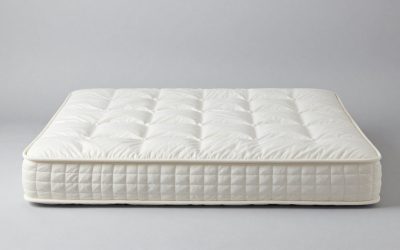
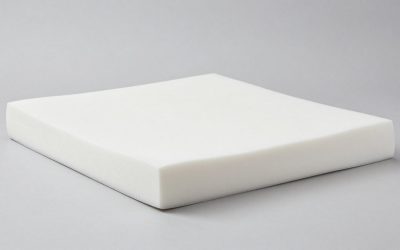
All-in-One Mattress Protector, Zippered Encasement, Water & Stain Resistant, Triple Seal Protection, Queen, White
Chosen because it specifies Zippered Encasement and Water & Stain Resistant.
View on Amazon
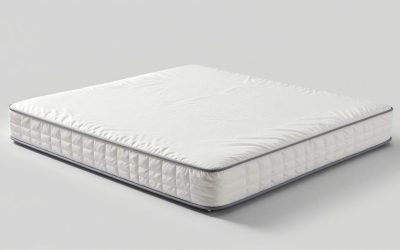
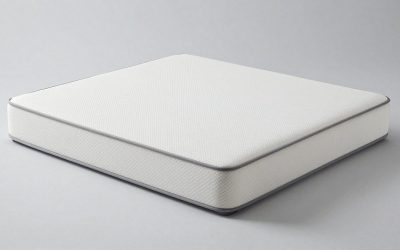
Utopia Bedding Waterproof Mattress Protector Queen Size, Zippered Mattress Encasement Bed Bug and Dust Mite Proof, Absorbent Six-Sided Mattress Cover
Chosen because it specifies Zippered Mattress Encasement Bed Bug and Dust Mite Proof and Absorbent Six-Sided Mattress Cover.
View on Amazon
Utopia Bedding Full Size Mattress Protector Zippered, 100% Waterproof | Bed Bug & Dust Mite Proof Mattress Encasement, Absorbent 6 Sided Mattress Cover fits upto 13" deep Pockets, Machine Washable
Chosen because it specifies 100% Waterproof and Bed Bug & Dust Mite Proof Mattress Encasement.
View on AmazonPublic health sources note that bed bugs are not known to spread disease, but bites can itch, cause sleeplessness and occasionally allergic reactions. Cleanliness does not prevent them. They are found in tidy homes and high-end hotels alike.
What “Bed Bug Proof” Zippers Really Mean
The fabric is rarely the failure point. The zipper is. Pest control resources point out that many covers have a gap or loose point where the zipper slider rests, and that insects can exploit even tiny openings. Better designs cover the end of the zipper with a fold-over flap, a sewn overlap, or a locking tab so the slider cannot drift. Product claims such as “bed bug proof” or “bite proof” are not a replacement for checking the closure yourself. Because testing standards vary and some labels are marketing language, it is worth reading the product description for specifics about the zipper and seams rather than relying on a single phrase.
Simple do-it-yourself checks suggested by pest control sources include shining a flashlight against the sealed cover in a dark room to look for light leaks, and examining the zipper ends for gaps. If any gap, hole or tear is visible, repair it with strong tape or replace the cover rather than assuming it still works.
Step-by-Step: Installing an Encasement and What Comes With It
| Step | Action | Reason |
|---|---|---|
| 1 | Inspect the mattress, box spring, headboard and frame with a flashlight, looking at seams and tags | Signs include rusty or dark spots, shed skins and live bugs; this shows what you are sealing in |
| 2 | Wash and dry bedding on high heat where fabric allows; the EPA recommends a dryer on high heat for bedding and clothing, and extension services commonly cite about 30 minutes of dryer time (bulky items such as comforters may need longer) | Heat kills bugs and eggs; washing alone may not be enough |
| 3 | Vacuum the mattress, seams and frame, then seal the vacuum contents in a bag and discard outdoors | Removes loose bugs and debris before sealing |
| 4 | Consider a professional inspection or treatment before or alongside installing the encasement | The encasement does not treat the room, walls, furniture or outlets |
| 5 | Put the encasement on carefully, avoiding snags, and close the zipper fully, including any flap or lock | A single gap defeats the purpose |
| 6 | Cover the box spring too, and consider pillow encasements | Box springs and pillows are other hiding sites |
| 7 | Place a protector or sheets over the encasement | Reduces wear and keeps the surface clean |
| 8 | Check the zipper, seams and edges regularly and repair any tear promptly | A damaged cover loses its barrier |
| 9 | Keep it on for at least a year, longer if the pest professional advises | Bed bugs can survive many months without feeding |
How Long Should an Encasement Stay On?
Guidance from EPA and several university extension services points to at least a year. Some pest control sources suggest up to about eighteen months as extra insurance, though that figure comes from industry and retail pages and is best treated as cautious advice rather than a fixed rule. Trapped bed bugs may begin to die within weeks, but how long they can survive without a blood meal varies widely with temperature and life stage, from a few weeks to many months, so removing the cover early risks releasing survivors. If a pest control professional is involved, follow their schedule for when it is safe to remove or replace the cover.
What an Encasement Does Not Do
- It does not kill bed bugs in the rest of the room. Baseboards, outlets, headboards, picture frames and furniture can still harbour them.
- It does not stop bugs from biting you elsewhere. Bed bugs can feed on people on sofas, in other beds or on travel.
- It does not replace inspection. Look at seams, bed frames and nearby furniture regularly.
- It does not make a damaged cover safe. Even small tears matter.
Inspect, Treat, and Know When to Call a Professional
Because bed bug control often involves multiple rooms and repeated visits, the EPA advises considering a pest management professional if do-it-yourself steps are not enough. Professionals have access to more intensive methods and can identify where bugs are really hiding. Only use pesticides labelled for bed bugs and follow the label directions. The EPA warns against home remedies using flammable or hazardous substances such as rubbing alcohol, kerosene or gasoline, which can harm people and ignite, and notes that home freezers and space heaters are not reliable ways to kill bed bugs. The EPA says foggers should be used only with extreme care and only if bed bugs are on the label, and that their spray does not reach the cracks where bed bugs hide. Wear gloves when handling infested items and keep children and pets out of treated areas as the label directs.
Seek medical advice if bites become infected, you develop a strong allergic reaction, or sleep loss and anxiety are significantly affecting you.
Troubleshooting Table
| Problem | Likely cause | Fix |
|---|---|---|
| Still getting bitten after installing | Bugs elsewhere in the room or on other furniture | Inspect frame, headboard, couches; contact a pest professional |
| Zipper does not close fully | Wrong size or snagged fabric | Smooth the fabric, check size; replace if gaps remain |
| Small tear appears | Wear, sharp bed frame edges | Seal with strong tape or replace; pad sharp edges |
| Cover feels hot or noisy | Waterproof or vinyl-like layer | Use a breathable protector over it; choose a quieter fabric if replacing |
| Spots on cover surface | Bugs hiding in folds or on the outside | Photograph and have a professional confirm; vacuum and wash covers per label |
Choosing the Right Size and Fit
| Mattress dimension | What to measure | Fit tip |
|---|---|---|
| Width and length | Standard size labels such as twin, full, queen, king | Match the cover to the exact mattress size |
| Depth | Measure from top to bottom, including any pillow-top | Deeper mattresses need deep-pocket covers or they strain at the seams |
| Box spring | Measure separately; they are often shallower | Use a cover made for box springs |
| Adjustable bases | Check whether a standard cover fits the hinge | May require specialty covers |
Frequently Asked Questions
Can a mattress encasement get rid of bed bugs on its own?
No. An encasement traps bugs inside the mattress and removes a hiding place, but bed bugs elsewhere in the room are unaffected. It works best as part of a broader plan that includes inspection and, usually, professional treatment.
How long should a bed bug encasement stay on the mattress?
Government and extension guidance points to at least a year, since bed bugs can survive many months without feeding. Some pest control sources advise longer. If a professional is treating your home, follow their advice.
What makes a bed bug encasement zipper secure?
A good closure seals completely and has a flap, overlap or lock at the end so the slider cannot drift and leave a gap. Check it yourself with a flashlight rather than relying on a label claim alone.
Do I need to encase the box spring and pillows too?
Box springs are a common hiding place, and the EPA recommends covers on both mattress and box spring. Pillow encasements are an extra layer of protection some pest professionals advise.
Can I wash a bed bug encasement?
Follow the care label. Many can be laundered gently, but avoid tearing or snagging. If you are dealing with an infestation, ask a pest professional whether and when to launder it.
Should I sleep on the mattress while the encasement is on?
Yes, once it is fully closed and intact. Covering it with a standard protector and sheets can protect it from wear. If you keep getting bitten, there may be bugs elsewhere and a pest professional should inspect.