Our Top Picks
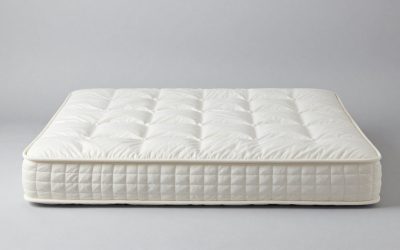
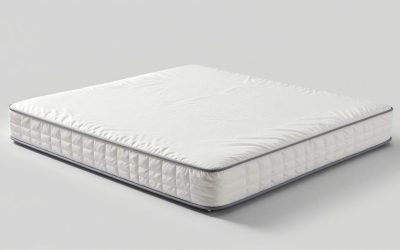
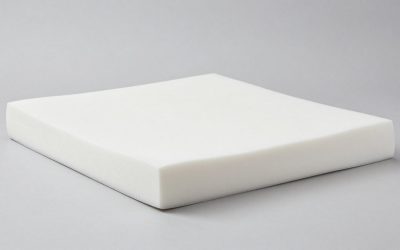
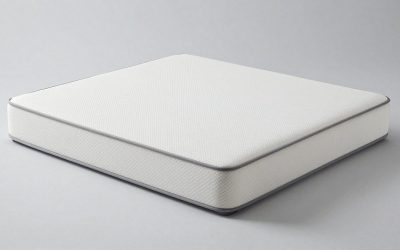
 Utopia Bedding Twin Size Mattress Protector ZipperedTwin75 x 39 x 13 inches1.8 poundsCheck on Amazon
A zippered mattress cover, usually called an encasement, wraps the whole mattress on all six sides and zips shut, so it blocks dust mites, allergens, spills and, in the case of bed bugs, keeps insects from getting in or out. To choose one, match the cover to your mattress size (a queen is a standard size) and, just as important, to its depth, since the thickness of the mattress, including any topper you want to enclose, decides whether the cover fits without straining the zipper. Install it by lifting the mattress, working the cover on in stages, closing the zipper slowly around the corners, and covering the zipper teeth with any guard or flap provided.
Encasement vs Protector vs Pad at a Glance
| Type | Coverage | Closure | Best for | Limits |
|---|---|---|---|---|
| Zippered encasement | All six sides | Zipper around the edge | Dust mite allergy, bed bug protection, full barrier | Harder to install; needs correct depth |
| Fitted protector with elastic skirt | Top and sides | Elastic pocket | Spills, sweat and everyday protection | Underside is open, so weaker as a pest or allergen barrier |
| Mattress pad | Top, often quilted | Elastic corners or skirt | Added cushioning and comfort | Not designed to be waterproof or allergen-proof |
| Box spring encasement | All six sides of the foundation | Zipper | Completing a pest or allergen barrier | Often overlooked |
Sleep-industry buying guidance describes encasement-style protectors as wrapping around the whole mattress and zipping shut, giving better pest protection than standard protectors, which offer a more modest barrier.

Utopia Bedding King Size Mattress Protector Zippered, 100% Waterproof | Bed Bug & Dust Mite Proof Mattress Encasement, Absorbent 6 Sided Mattress Cover fits upto 15" deep Pockets, Machine Washable
Chosen because it specifies 100% Waterproof and Bed Bug & Dust Mite Proof Mattress Encasement.
View on Amazon
Utopia Bedding Waterproof Mattress Protector Queen Size, Zippered Mattress Encasement Bed Bug and Dust Mite Proof, Absorbent Six-Sided Mattress Cover
Chosen because it specifies Zippered Mattress Encasement Bed Bug and Dust Mite Proof and Absorbent Six-Sided Mattress Cover.
View on AmazonUtopia Bedding Twin Size Mattress Protector Zippered, 100% Waterproof | Bed Bug & Dust Mite Proof Mattress Encasement, Absorbent 6 Sided Mattress Cover fits upto 13" deep Pockets, Machine Washable
Chosen because it specifies 100% Waterproof and Bed Bug & Dust Mite Proof Mattress Encasement.
View on Amazon
Utopia Bedding Mattress Protector Zippered Twin XL Size, 100% Waterproof Bed Bug and Dust Mite Proof Mattress Encasement, Absorbent 6 Sided Mattress Cover
Chosen because it specifies Absorbent 6 Sided Mattress Cover.
View on AmazonWhat a Zippered Cover Actually Does
- Allergen barrier. Allergy organizations such as the American Academy of Allergy, Asthma and Immunology advise encasing mattresses, box springs and pillows in allergen-proof zippered covers as part of dust mite control, alongside weekly hot-water washing of bedding (the Academy cites 130 degrees Fahrenheit) and keeping indoor humidity low, with about 50 percent or below commonly cited.
- Bed bug control. The EPA says to use protective covers that seal mattresses and box springs, so that bed bugs become trapped inside and die. University extension guidance adds that the cover should stay on for a long time, commonly cited as about a year, because bed bugs can survive months without feeding.
- Spill and stain protection. Waterproof versions often use a membrane such as polyurethane or TPU to keep liquids from reaching the mattress.
- Easier cleaning. A cover can be washed, while a mattress cannot.
A cover does not replace professional treatment for an active infestation and does not remove existing allergens from inside the mattress. It limits further buildup and escape.
Sizes and Depth: Getting the Fit Right
Mattress covers are sold by bed size, such as twin, twin XL, full, queen, king and California king, and also by depth. A queen is a standard width and length, but two queen mattresses can differ greatly in thickness, so measuring is the step that prevents a poor fit.
| Check | How to do it | Why it matters |
|---|---|---|
| Bed size | Confirm the mattress label or measure width and length | Sizes such as twin XL and California king differ from their standard counterparts |
| Depth | Measure from the bottom of the mattress (where it meets the foundation) to the very top, with a tape measure | A cover that is too shallow strains the zipper and seams; one far too deep leaves slack |
| Topper | Include its thickness in the measurement if it will be inside the cover | Toppers add height that standard covers may not allow |
| Foundation | Measure box spring depth too | Needed if you want a complete barrier |
| Stretch vs fixed depth | Check whether the label lists a depth range or a single maximum | Stretch knit fabrics tolerate a range; woven fabrics are usually less forgiving |
Retail sizing is not standardized, and depth categories such as standard, deep pocket and extra deep vary by seller. Stated depth ranges differ widely by product, and sources disagree on where standard, deep and extra-deep begin. Pillow-top and hybrid mattresses are often cited at around 14 to 18 inches including the top layer, which can exceed a standard range. If the mattress is between two depth ranges, a slightly deeper cover is usually the better choice, because overstretching a cover that is too small can stress the zipper and seams.
How to Install a Zippered Encasement, Step by Step
- Strip the bed completely. Remove sheets, pads and the old protector so nothing gets trapped underneath.
- Vacuum the mattress. Removing loose dust and debris before sealing it prevents trapping it inside.
- Check the cover. Look for tears and test the zipper before starting. Unzip it fully.
- Slide the mattress toward the foot of the bed or lean it on a wall if you can do so safely. Get help for heavy mattresses to avoid injury.
- Fit the cover over one end and work it down in stages, like pulling a pillowcase over a pillow. Reason: forcing it on all at once stretches the fabric unevenly.
- Lower the mattress and smooth the cover so the corners seat fully into the cover’s corners.
- Close the zipper slowly. Pause at each corner, keep fabric out of the teeth, and avoid yanking. Reason: bunched fabric creates tiny gaps that undermine the barrier and can jam the zipper.
- Cover the zipper. Engage any zipper guard, lock tab or flap so the teeth are enclosed. This is especially important for bed bug protection.
- Inspect the cover once closed. Look for any visible gap along the zipper path.
- Add a regular fitted sheet over the top. The cover stays on as a permanent layer.
For a bed bug situation, do not move an infested mattress through the home without guidance, since doing so can spread insects. A pest management professional can advise on handling and treatment.
Noise, Breathability and Comfort
- Noise. Waterproof covers with plastic-like backings can crinkle. Softer knit fabrics with a thin membrane are often described as quieter than vinyl.
- Breathability. Heat retention varies. Cotton, bamboo-derived and similar fabrics are commonly described as more breathable than laminated backings, and a barrier that stops allergens can still allow air to move through.
- Feel on foam. A very tight cover can slightly firm up the surface of a soft mattress; a stretch-knit cover is usually less noticeable.
- Waterproof coverage. Some covers are waterproof on only the top and sides, while others are waterproof on every side. Read the product description.
When to Use an Encasement
| Situation | Encasement recommended? | Notes |
|---|---|---|
| Dust mite allergy | Yes, with pillow covers | Pair with hot-water bedding washes and humidity control; ask a clinician about managing allergy symptoms |
| Bed bug exposure or travel risk | Yes, mattress and box spring | Not a cure on its own; contact a pest professional for infestations |
| Children or incontinence concerns | A waterproof cover is helpful | If incontinence is persistent, a doctor can check for causes |
| Sweating or spills | A protector may be enough | Easier to wash than a full encasement |
| New mattress warranty | Yes, check warranty terms | Some warranties require a protector |
Washing and Care
- Follow the cover’s own care label. Many protectors are machine washable on gentle cycles with mild detergent and low-heat drying.
- Avoid ironing, which can damage waterproof backing.
- Avoid bleach and fabric softener unless the label allows them, as they can break down membranes.
- For allergy control, allergy guidance recommends washing bedding weekly in hot water (130 degrees Fahrenheit is cited) and drying it well. Many covers cannot take that heat, so follow the cover’s label for the hottest wash it allows.
- Wipe the cover with a damp cloth between washes if it is not machine-washable, and dry before making the bed.
- Do not remove the cover repeatedly. Extension guidance for bed bugs advises leaving the encasement on for about a year, and opening it before the infestation is resolved defeats its purpose.
Troubleshooting
| Problem | Likely cause | Fix |
|---|---|---|
| Zipper won’t close | Cover too small or fabric bunched | Reposition the cover, close in small sections, or choose a deeper size |
| Cover is loose and wrinkled | Cover too deep | Smooth and tuck, or select a better-fitting depth |
| Crinkly noise | Plastic-type backing | Choose a knit-faced cover and add a fitted sheet |
| Sleeping hotter | Laminated or non-breathable fabric | Choose a breathable fabric or a cover that is waterproof only on top |
| Tear or damaged zipper | Strain or wear | Replace the cover; a damaged cover loses its barrier |
Buying Checklist
- Zipper design. Look for a cover whose zipper is protected by a flap, guard or lock, with smooth ends, especially if bed bugs are a concern.
- Fabric weave. A tightly woven or membrane-backed fabric is what blocks allergens and insects; a loose weave does not. Product pages sometimes list a pore size, but treat such figures as manufacturer statements.
- Depth range. Confirm the stated range covers your measured thickness, with a little margin.
- Waterproofing. Decide whether you need top-only, top-and-sides, or all-six-sides protection.
- Care label. Make sure the cover can be laundered at the temperature you intend to use.
- Warranty. Check the mattress warranty for any cover requirements or restrictions.
Frequently Asked Questions
What size cover fits a queen mattress?
A queen cover fits a queen-width and length mattress, but it also must match the mattress depth. Measure the thickness, including any topper you plan to cover, and choose a cover whose stated depth range includes that number.
Do zippered covers help with dust mite allergies?
Allergy guidance, including from the American Academy of Allergy, Asthma and Immunology, recommends allergen-proof covers on mattresses, box springs and pillows as one part of dust mite control, alongside hot-water washing and low humidity. They reduce exposure but are not a medical treatment, so a clinician should guide symptom management.
Will a zippered encasement stop bed bugs?
A properly closed encasement traps bugs inside and keeps others from hiding in the mattress, according to the EPA, and extension guidance suggests leaving it on for about a year. It does not eliminate an infestation in the room, so a pest management professional is advised for established problems.
Do mattress encasements make a bed hot or noisy?
Some do, especially those with plastic-like waterproof layers. Knit-faced covers with a thin membrane and breathable fabrics are generally quieter and cooler.
Should I encase the box spring too?
For allergen or bed bug control, yes, because the foundation can harbor mites and pests as well. A complete barrier covers both pieces.
How often should I wash a mattress cover?
Follow the care label. Many protectors are washed on a regular schedule such as monthly or when soiled, while allergy-focused guidance suggests hot-water washing of bedding weekly where the fabric allows it. Wash the cover only if its label allows.
Can I put a topper inside the cover?
Yes if the cover’s depth allows it. Add the topper’s thickness to the mattress depth when measuring, and avoid forcing a cover that is too shallow.