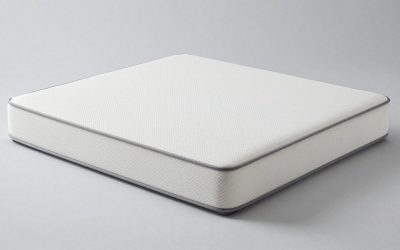
Our Top Picks
Yes, you can steam clean some mattresses, but it is a method that needs care: steam can reduce dust mites and surface germs and is listed by the U.S. Environmental Protection Agency as one tool for bed bug control, yet the moisture it adds can soak into foam, cause mold and affect a warranty. Traditional innerspring mattresses tolerate light steaming best, while memory foam, latex and anything labeled “no steam” or “spot clean only” are better left alone. If you do steam, vacuum first, keep the steamer moving, use as little moisture as possible, and allow the mattress to dry fully before any bedding goes back on.
Steam Cleaning at a Glance
| Mattress type | Steam suitability | Main concern |
|---|---|---|
| Traditional innerspring | Generally the most tolerant, with light, dry steam | Moisture reaching the padding layers and coils |
| Memory foam | Usually discouraged | Foam acts like a sponge and is slow to dry, raising mold risk |
| Latex | Usually discouraged | Heat and moisture can degrade the material |
| Hybrid (foam and coils) | Check manufacturer guidance first | Foam comfort layers hold moisture |
| Airbed or adjustable-firmness | Follow the label; avoid soaking seams and valves | Moisture near components |
| Mattress topper or pad | Follow the care label; many can be washed instead | Foam toppers behave like foam mattresses |
| Any mattress labeled “do not steam” or “spot clean only” | Do not steam | Warranty and material damage |
What Steam Can and Cannot Do
Possible Benefits
- Dust mites. Heat is used against dust mites and bacteria, and steam is often described as capable of reaching them where wiping cannot. Consumer cleaning guides disagree about exact temperatures, so treat any single figure with caution. Killing mites also does not remove the allergens they leave behind, which is why allergy guidance does not rely on steam. EPA guidance on dust mites centers on dust-proof mattress and pillow covers, weekly hot-water washing of bedding, and keeping indoor humidity roughly between 30 and 50 percent, so steam is a supplement rather than a replacement.
- Bed bugs. The EPA notes that steam cleaners can get into cracks and fabrics, and that steam should reach at least 130 degrees Fahrenheit while using a diffuser so that forceful airflow does not scatter the insects. The same agency warns that do-it-yourself heat treatments might not work and suggests hiring a pest management professional when non-chemical methods are not enough.
- Odor and light soil. Warm steam can loosen surface dirt and freshen fabric, but it does not remove deep stains or contaminants buried in padding.
Real Risks
- Trapped moisture. Foam absorbs water and dries slowly. Moisture left inside can encourage mold and odor, and mattresses are porous, so mold can be difficult or impossible to fully remove.
- Warranty problems. Many manufacturers say moisture or non-approved cleaning methods may affect warranty coverage. Check the care label and warranty before steaming.
- Heat damage. Some foams, adhesives and fabrics soften or distort under high heat.
- Pushing dirt deeper. Steaming a mattress that has not been vacuumed can turn dust into damp grit.
- False reassurance. A mattress that looks clean can still harbor pests or allergens deeper in the layers.
Steam Cleaner vs Mattress Extractor vs Handheld Steamer
| Tool | How it works | Best for | Watch out for |
|---|---|---|---|
| Dry-steam cleaner | Produces hot, low-moisture vapor | Surface sanitizing of tolerant mattresses | Holding the nozzle too close or too long |
| Handheld garment steamer | Gentle steam with a small output | Light freshening of covers, seams and tufts | Uneven coverage; condensation on the surface |
| Hot-water extractor | Sprays cleaning solution and suctions it back | Upholstery-type cleaning, usually not recommended for foam | Large amounts of water left in the mattress |
| Vacuum with upholstery tool | Removes loose dust and debris | Every mattress, before any other step | Skipping seams and edges |
The practical difference is moisture. A dry-steam machine adds a small amount of vapor to the surface, while an extractor injects liquid and relies on suction to remove it, which is riskier for thick foam layers.

New Generation High Pressure Handheld Steam Cleaner for Home( Pale Yellow)
Picked as a relevant option in this category.
View on Amazon
BISSELL Little Green Mini Portable Carpet Cleaner, 4075 | HydroRinse self-cleaning tool; 4-in. tough stain tool; upholstery & car detailing; Tea Green color
Chosen because it specifies 4075.
View on Amazon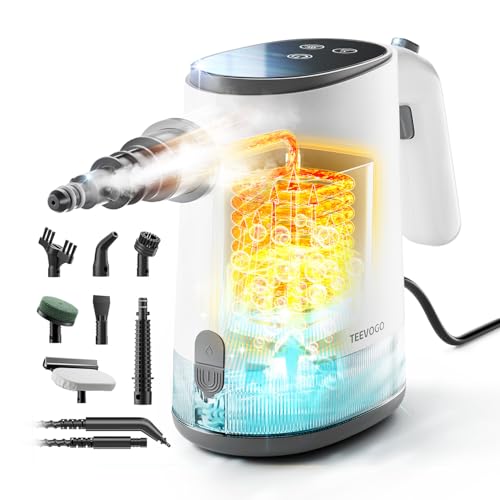
Handheld Steam Cleaner for Home, 3s Instant Heat, 650ML Long-Lasting Tank
Chosen because it specifies 3s Instant Heat and 650ML Long-Lasting Tank.
View on AmazonHow to Steam Clean a Mattress Safely, Step by Step
- Read the care label and warranty. If steam is prohibited or the material is foam or latex, stop here and choose a drier method instead. Reason: the manufacturer knows the glues, fabrics and warranty terms.
- Strip and wash the bedding. Washing sheets and the protector according to their labels removes the allergens that steam would otherwise just wet.
- Vacuum every surface with an upholstery attachment. Include seams, edges and sides. Reason: steaming dust creates damp mud that stays in the fabric.
- Test a hidden spot. Steam a small area at the bottom edge and let it dry. Check for color change, shrinkage or odor.
- Fill the machine according to its instructions. Some manufacturers advise distilled water to limit mineral deposits.
- Ventilate the room and wear gloves if needed. Steam is hot and can burn skin. Keep children and pets away.
- Hold the nozzle a short distance above the fabric and keep it moving. Cleaning guides give different distances, so follow the steamer’s manual. Do not press the nozzle into the mattress or hold it in one spot. Reason: concentrated steam wets one area instead of warming the surface.
- Work in overlapping passes. The goal is warm and barely damp, not wet.
- Dry thoroughly. Open windows, run a fan, or use a dehumidifier. Guides commonly quote a few hours, but humid rooms take longer, so go by touch and keep waiting if the surface feels cool or damp.
- Vacuum again and make the bed only when completely dry. Covering a damp mattress traps moisture against it.
How Long Does a Steamed Mattress Take to Dry?
No single time applies. Drying depends on how much steam was applied, how thick the mattress is, room humidity and airflow. Consumer guides often say a few hours for a lightly steamed innerspring mattress, with more time in a damp room. Leave the mattress uncovered, stand it up if it is safe and practical, and use fans. If a musty smell appears afterward, the mattress was left too wet.
Troubleshooting Table
| Problem | Likely cause | Fix |
|---|---|---|
| Mattress still damp the next day | Too much steam or poor airflow | Increase airflow with fans and a dehumidifier; do not cover it until fully dry |
| Musty smell after steaming | Trapped moisture | Continue drying; if the smell persists or spots appear, consider professional help or replacement |
| Water marks appear | Steam condensed in one spot | Let it dry fully and re-vacuum; keep the steamer moving next time |
| Fabric looks puckered or discolored | Heat sensitivity | Stop steaming; use vacuuming and spot cleaning only |
| Bed bug signs remain | Steam did not reach hiding places | Contact a pest professional and consider a sealed encasement |
Safer Alternatives
- Vacuum regularly with an upholstery tool, including seams and edges.
- Use a washable mattress protector and launder it routinely according to its label.
- Use a zippered, allergen-proof encasement if dust mites are a concern, as the EPA recommends dust-proof covers for mattresses and pillows.
- Spot clean stains with a minimal amount of enzyme cleaner or mild soap suds.
- Air the mattress periodically in a dry, ventilated room.
- Call a professional if pests or mold are suspected. A pest management professional can offer treatments, including whole-room heat, that home steaming cannot match.
When Not to Steam at All
- The care label says not to use steam or water-based cleaning.
- The mattress is memory foam, latex or a thick foam hybrid and the manufacturer does not approve steam.
- There is visible mold, a musty smell or a past water leak, because added moisture can worsen it.
- Someone in the household has asthma or a mold allergy and would be exposed to the cleanup.
- The goal is bed bug eradication of an established infestation, which usually calls for professional help.
Signs the Mattress Needs More Than Steam
Steam is a surface method, so some problems point to a different solution. Persistent sneezing or congestion that eases when you sleep elsewhere may suggest dust mite exposure, and a clinician can help sort out allergy symptoms while an allergen-proof cover and regular bedding washes reduce exposure. Small rust-colored spots, shed skins or itchy bites in a line suggest bed bugs, which call for a pest professional rather than repeated home steaming. Dark patches, a damp smell or a history of leaks suggest moisture damage, and adding more steam will usually make that worse. A mattress that sags, has lost support or is many years old may also be a better candidate for replacement than for deep cleaning, because no cleaning method restores worn materials.
Frequently Asked Questions
Is it safe to steam clean a memory foam mattress?
Many consumer guides advise against it because foam absorbs moisture and dries slowly, which raises the risk of mold. A few allow very light steaming only if the manufacturer says it is acceptable. When in doubt, spot clean and vacuum instead.
Does steam kill bed bugs on a mattress?
The EPA says steam reaching at least 130 degrees Fahrenheit can be used on cracks and fabrics, but do-it-yourself heat treatment might not work. For anything beyond a small, early problem, a pest management professional is the better route, and a sealed encasement can trap remaining insects.
Will steaming remove dust mites?
Heat can reduce mites on the surface, but they and their allergens also live deeper. The EPA’s recommended approach is a combination of dust-proof covers, hot-water washing of bedding and low indoor humidity.
Can steam cleaning void a mattress warranty?
It can. Some manufacturers exclude damage from moisture or unapproved cleaning methods, so read the warranty and care label before you begin.
How often should a mattress be steam cleaned?
There is no required schedule, and many mattresses never need it. Regular vacuuming, a washable protector and prompt spot cleaning are usually enough, with steam reserved for tolerant mattresses when there is a reason.
What is the difference between a steamer and a carpet extractor for a mattress?
A steamer adds vapor with little liquid, while an extractor sprays solution and sucks it back, leaving more water behind. Extractors are generally a poor match for foam.
What should I do if my mattress smells musty after steaming?
Dry it with fans and ventilation, and keep it uncovered. If the smell lingers or dark spots appear, treat it as a possible mold problem, avoid scrubbing, and consider professional assessment or replacement, especially for people with asthma or allergies.