Key takeaways
- GOTS (Global Organic Textile Standard): covers organic fiber content and processing requirements across the supply chain.
- OCS (Organic Content Standard): verifies organic fiber content but is less focused on processing.
- OEKO-TEX labels: test finished textiles for certain substances; these are not the same as organic certification.
The best organic cotton towels carry a recognized certification, such as GOTS or OCS, and use the same quality construction you would look for in any good towel: long fibers, solid stitching, and a sensible weight. “Organic” describes how the cotton was grown, not how soft or absorbent the towel will be. This guide is research-based and does not claim detailed research.
What “Organic” Does and Does Not Tell You
Organic cotton is grown without most synthetic pesticides and fertilizers, under farming rules set by certifying bodies. That is a statement about agriculture, and it can matter to buyers who want lower chemical use in the supply chain. It says little about thread length, ply, or finishing. A towel can be organic and still be thin or rough. Likewise, a non-organic towel can feel wonderful. Use the label as one criterion among several.
Certifications Worth Recognizing
- GOTS (Global Organic Textile Standard): covers organic fiber content and processing requirements across the supply chain.
- OCS (Organic Content Standard): verifies organic fiber content but is less focused on processing.
- OEKO-TEX labels: test finished textiles for certain substances; these are not the same as organic certification.
Check the certifier’s own database where possible. A logo alone does not prove a claim, and listings sometimes use unverified wording such as “made with organic materials.”
Organic Towel Types
| Type | Feel | Best for | Note |
|---|---|---|---|
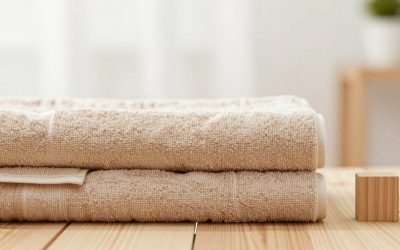
| Organic terry bath towel | Soft, standard loops | Everyday use | Check weight and ply |
| Organic waffle towel | Light, airy | Humid rooms, quick drying | Less plush |
| Organic baby towel or washcloth | Gentle, small | Infant care | Look for hooded designs if desired |
| Organic hand towel | Compact, absorbent | Sinks and kitchens | Buy several |
Buying Smart
- Confirm the certification and the percentage of organic content.
- Check weight and fiber length like you would for any towel.
- Look at dye information. Undyed or low-impact dyes are sometimes offered for natural tones.
- Read reviews for comments on shedding in early washes. Organic cotton may need a few launderings to bloom.
- Compare pricing carefully; organic production can add cost, but a high price is not proof of quality.
To see what is available, try a search for GOTS certified organic cotton bath towels. For smaller items, organic cotton washcloths are a gentle starting point. If you want a lighter weave, compare organic cotton waffle towels. Confirm certifications on the brand’s own pages when you can.
Caring for Organic Cotton
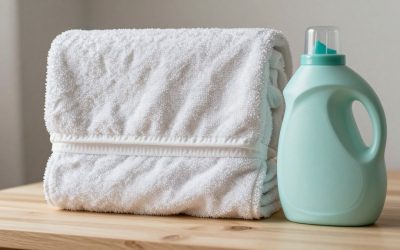
Organic cotton towels have the same needs as other cotton towels. Wash before first use to remove loose fibers. Use a mild, ideally fragrance-free detergent if you are choosing organic for skin or sustainability reasons. Skip softener, which coats fibers and defeats absorbency. Tumble on medium or air dry. Some towels are sold undyed or lightly dyed and may fade or change tone slightly over time, which is normal.
FAQ
Are organic towels hypoallergenic?
Not by definition. Some people find them gentler, but sensitivity is individual, and finishing agents can matter more than farming methods.
Do they last longer?
Durability depends on yarn and construction. Organic status does not guarantee longevity.
Is organic cotton better for the environment?
It reduces certain inputs, but environmental impact also depends on water use, dyeing, and transport. Treat sweeping claims with caution.
If organic matters to you, buy certified products and judge them by the same practical standards as any other towel. That combination gives you both peace of mind and a towel that performs.