Key takeaways
- Home bakers: plain cotton or linen for covering dough.
- Gift givers: boxed sets with seasonal patterns.
- Hosts: linen towels in neutral colors that look good on show.
- Minimalists: a small set of plain white or natural towels.
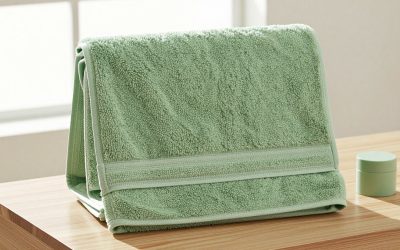
Tea towels are thin, flat-woven cloths made for drying glassware, covering baked goods, and adding a decorative touch to the kitchen. The best ones are cotton or linen, lint-light, and printed or woven in a way that holds up after many washes.
What Makes a Tea Towel Different
A tea towel is not the same as a thick terry hand towel. It is lighter, flatter, and dries quickly, which suits delicate tasks like polishing wine glasses and drying china. In many homes it doubles as a decorative object, hung from an oven handle or draped over a basket of bread. Because it lies flat, it also folds neatly into a drawer or a gift box, which is part of why tea towels are popular as presents.
Fabric and Weave Overview
| Fabric | Handle | Lint | Notes |
|---|---|---|---|
| Plain cotton | Crisp, then softens | Low once washed | Easy care, widely available |
| Linen | Textured, airy | Very low | Gets softer with age |
| Linen-cotton blend | Balanced | Low | Often easier to iron |
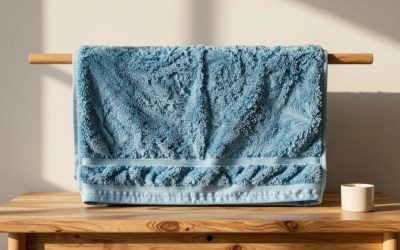
| Jacquard or woven pattern | Thicker, patterned | Low to moderate | Better for display |
| Printed cotton | Smooth | Low | Prints may fade with harsh washing |
Display Versus Daily Use
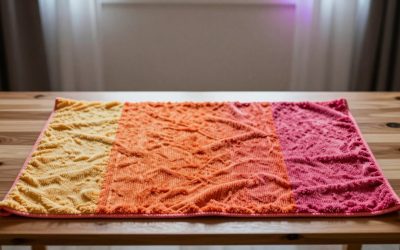
Some tea towels are made to look pretty, and some are made to work. Heavily printed cotton and jacquard designs often serve well as decor or seasonal gifts, while plain linen or plain cotton is the better choice for daily glass drying. If you want both, buy a couple of decorative ones for the oven handle and a stack of plain ones for use. That way you never feel guilty about staining a favorite design.
You can explore a selection of cotton tea towels in prints and solids.
Who Each Type Suits
- Home bakers: plain cotton or linen for covering dough.
- Gift givers: boxed sets with seasonal patterns.
- Hosts: linen towels in neutral colors that look good on show.
- Minimalists: a small set of plain white or natural towels.
Care and Maintenance
Wash new tea towels once before using, since cotton and linen can shrink slightly and shed a little at first. Keep bright prints away from bleach and very hot water if the label advises it. Line drying is gentle on both color and fabric, and a quick press while slightly damp keeps linen looking smooth. Avoid fabric softener, which can leave towels less absorbent and more likely to streak glass.
Treat stains early. A quick rinse in cold water after tea or wine contact helps, and a soak in mild detergent can lift lingering marks. Not every stain will fully come out, so reserve older towels for heavy duty.
Common Mistakes
- Buying only decorative designs and never using them.
- Skipping the first wash and wondering why they feel stiff.
- Washing brightly colored towels with whites.
- Using the same towel for hands, raw meat spills, and glasses.
- Expecting a thin towel to soak up large spills.
Buying Tips
Look at the dimensions and think about where you will hang or fold the towel. Check whether the fabric is described as pre-washed or pre-shrunk, because that affects how it behaves after the first wash. If you are buying a set, check whether the patterns coordinate with your kitchen palette. For glass polishing in particular, a linen tea towel is often a long-lasting option, and a tea towel gift set makes a simple present.
Frequently Asked Questions
Is a tea towel the same as a dish towel?
They overlap. Tea towels are usually thinner and flatter, while dish towels can be thicker and more absorbent.
Why do my glasses streak after drying?
Softener residue or lint-heavy fabric can cause streaks. Wash without softener and use a flat weave.
Can I iron them?
Linen and cotton usually tolerate ironing. Check the care label, especially for printed designs.
How many tea towels should I own?
Four to six works for most homes, with a few extras for gifting or seasonal swaps.