Key takeaways
- Measure first: Check the usable floor length and width, leaving enough clearance for doors, baseboards, furniture, and nearby walkways.
- Prioritize grip: Non-slip rubber or coated backing can help the rug stay put, but smooth, dusty, or uneven floors may still require a separate rug pad.
- Choose a practical pile: Low-pile runners are generally easier to vacuum and less likely to interfere with doors, robot vacuums, and rolling appliances.
- Match the traffic level: Busy entries and hallways need stain resistance and a surface that can tolerate frequent cleaning, while bedrooms can favor softness.
- Use pattern strategically: Distressed textures, abstract motifs, and subtle variation disguise everyday marks better than a completely solid, pale surface.
What's inside
A runner rug can make a narrow hallway, galley kitchen, or compact entry feel finished—but the wrong one quickly becomes a tripping hazard, a cleaning chore, or a bulky obstacle around doors. In small homes, every inch matters, so the best choice must balance proportion, grip, comfort, and easy maintenance.
This guide compares practical runner rugs for high-traffic spaces, focusing on washable materials, low-profile designs, non-slip backing, and adaptable style. The selections below suit common small-space zones, from busy corridors and laundry areas to kitchens, bedrooms, and apartment entryways.
As an Amazon Associate we earn from qualifying purchases.



How to Choose a Runner Rug (2026)
- Measure first: Check the usable floor length and width, leaving enough clearance for doors, baseboards, furniture, and nearby walkways.
- Prioritize grip: Non-slip rubber or coated backing can help the rug stay put, but smooth, dusty, or uneven floors may still require a separate rug pad.
- Choose a practical pile: Low-pile runners are generally easier to vacuum and less likely to interfere with doors, robot vacuums, and rolling appliances.
- Match the traffic level: Busy entries and hallways need stain resistance and a surface that can tolerate frequent cleaning, while bedrooms can favor softness.
- Use pattern strategically: Distressed textures, abstract motifs, and subtle variation disguise everyday marks better than a completely solid, pale surface.
The Best Runner Rug (2026)s Reviewed
2×6 Hallway Washable Runner Rug
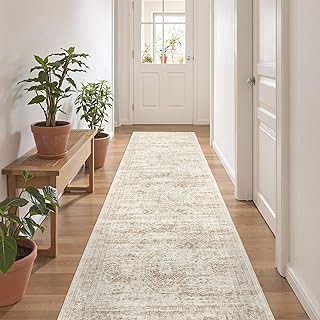
This vintage-inspired 2-by-6-foot runner is a versatile option for compact hallways, laundry rooms, bedside spaces, and small entryways. Its distressed farmhouse look can soften a hard-working area while the washable, stain-resistant design makes it easier to manage everyday spills and tracked-in dirt.
2×8 Beige Neutral Runner Rug
The 2-by-8-foot Beige Neutral Runner Rug is a strong fit for longer, narrow layouts where a calm backdrop is more useful than a bold focal point. Its thin, soft profile works across kitchens, bedrooms, nurseries, and bathrooms, giving small spaces visual continuity without adding a heavy appearance.
2×10 Heavy-Duty Hallway Runner
For an extended corridor or a frequently used entry, this 2-by-10-foot runner offers generous coverage and a more purpose-built, durable feel. The rubber backing and machine-washable construction are especially practical where shoes, pets, or household traffic create constant wear.
AREDO 2×6 Black Runner Rug
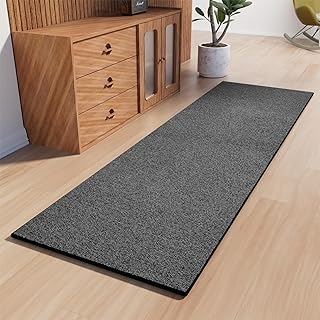
AREDO’s 2-by-6-foot black runner brings a deeper, more graphic look to kitchens, hallways, laundry rooms, and bedrooms. Its low-pile construction helps maintain clearance around doors, while the pointillism-style surface adds visual texture so the rug does not read as a flat block of color.
Ompaa 2×6 Grey Abstract Runner Rug
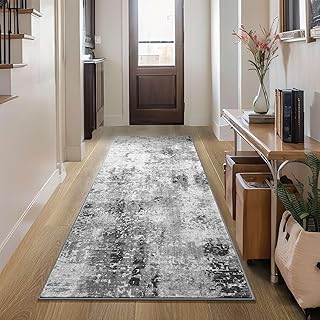
The Ompaa 2-by-6-foot grey runner is a well-balanced choice for homes that need both softness and visual camouflage. Its abstract pattern and neutral color can conceal minor daily marks, while the washable design and rubber backing make it suitable for compact kitchens, bathrooms, hallways, and entryways.
Frequently Asked Questions
What size runner rug is best for a hallway?
Measure the hallway’s usable length and width, then leave a visible border of floor around the rug. A 2-foot width is common for narrow passages, while 6, 8, or 10 feet of length can suit different layouts. Always confirm that doors open freely before buying.
Are washable runner rugs a good choice for kitchens?
Yes, particularly in kitchens where splashes, crumbs, and spills are unavoidable. Look for a low-profile runner with a stable backing, and follow the care instructions carefully. Washable does not mean maintenance-free; regular vacuuming still helps preserve the surface.
Do I need a rug pad beneath a non-slip runner?
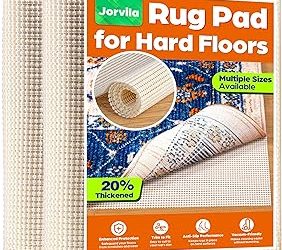
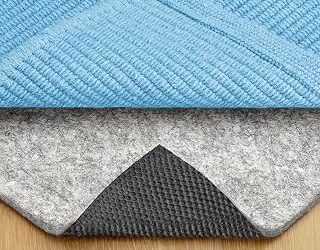
Not always, but a rug pad can add cushioning and extra stability, especially on smooth tile, laminate, or hardwood. Check whether the runner’s backing is compatible with your flooring, and avoid any pad that makes the rug thick enough to catch beneath doors.
Which runner color is easiest to keep looking clean?
Medium grey, muted beige, and softly patterned designs are usually forgiving in busy areas. Very pale rugs show marks quickly, while solid black can reveal lint, dust, and light-colored debris. A subtle distressed or abstract pattern often offers the most practical compromise.
Final Thoughts
For a flexible all-around choice, the 2×6 Hallway Washable Runner Rug suits compact rooms and casual farmhouse interiors. Choose the 2×10 Heavy-Duty Hallway Runner for extended, high-traffic coverage, or the Ompaa 2×6 Grey Abstract Runner Rug when you want a softer neutral look with useful pattern variation.