Key takeaways
- Place a washable runner at the entry to capture grit before it reaches the main rug.
- Keep a white towel, soft brush, and compatible spot formula together in a small cleaning caddy.
- Use furniture cups or felt pads under heavy pieces so damp cleaning does not leave pressure marks.
- Vacuum high-traffic lanes more often than the rest of the rug instead of waiting for visible soil.
What's inside
Cleaning an area rug well is less about scrubbing harder and more about matching the method to the rug’s fibers, backing, size, and stain. In a small home, the process also needs to be controlled: excess water can damage flooring, create lingering odors, and turn a simple refresh into a furniture-moving project.
This guide explains how to clean an area rug safely in 2026, from dry soil removal and spot treatment to deeper washing and drying. You’ll also learn when a compact spot cleaner is enough, when an upright machine makes sense, and how to choose a washable rug that is easier to live with in a tight space.
As an Amazon Associate we earn from qualifying purchases.




1. Identify the Rug Before You Add Water
Start by checking the care label, fiber content, and backing. Cotton, polyester, polypropylene, and many low-pile synthetic rugs are generally more forgiving than wool, viscose, jute, or antique rugs. Natural fibers may shrink, bleed, shed, or develop texture changes when saturated. If the label says “spot clean only,” do not put the rug in a washing machine or use an upright extractor without clear manufacturer approval.
Look closely at the backing, too. Rubber and latex backings can crack, flake, or stick when exposed to heat, strong chemicals, or prolonged moisture. Before cleaning the entire rug, test your solution on a hidden corner. Blot the area with a white cloth and check for transferred color or a changed texture once dry.
2. Remove Dry Dirt First
Most rug grime is loose grit carried in from shoes and pet paws. If you wet that soil immediately, it can turn into a muddy film that is harder to extract. Take smaller rugs outdoors and shake them gently if the care label permits. For larger rugs, vacuum both sides when possible, then vacuum the floor underneath before replacing the rug.
Use slow passes rather than repeatedly dragging the vacuum over one spot. A low-pile rug usually tolerates a standard vacuum, while a thick pile or delicate fringe may need suction-only cleaning with the beater bar turned off. Fold or roll the rug temporarily so you can clean the surrounding floor without creating a cluttered stack in the room.
3. Treat Spots Without Spreading Them
Handle spills promptly, but avoid rubbing. Lift solids with a spoon or dull edge, then blot liquid from the outside of the mark toward the center. Apply cleaner to a cloth or use a small amount directly on the stain—never flood the area by default. Work in short passes and blot between applications.
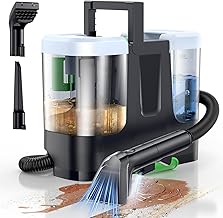
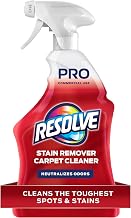
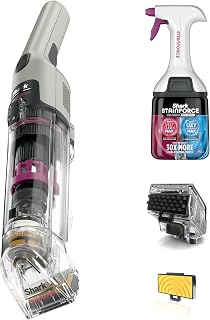
A portable machine is useful when stains are localized. The Shark StainStriker Portable Spot & Stain Cleaner is designed for carpet, upholstery, and rugs, with separate tools for broad spots and narrow crevices. The cordless Shark StainForce is convenient for quick pet, odor, and urine incidents when you want to avoid setting up a larger machine. For either option, follow the solution instructions and remove as much moisture as possible after treatment.
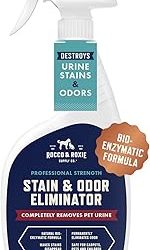
Pet accidents deserve extra care because odor can remain below the visible surface. Use an enzyme-based product compatible with your rug, allow the recommended dwell time, and extract thoroughly. Do not combine cleaners; mixing formulas can create irritating fumes or reduce their effectiveness.
4. Deep-Clean in Controlled Sections
For a synthetic, water-safe rug, an extractor can refresh a larger surface more evenly than hand scrubbing. Move furniture away, protect nearby wood or laminate from drips, and clean on a day when you can provide strong ventilation. Use the lowest amount of solution that achieves coverage, then make additional extraction-only passes to pull out water.
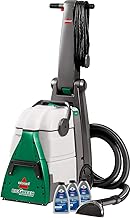
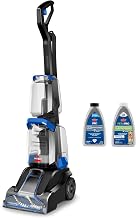
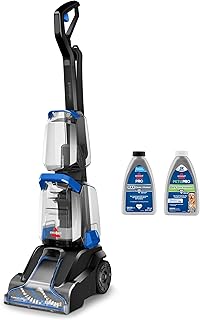
The BISSELL TurboClean Upright Carpet Cleaner is suited to larger carpet-cleaning jobs and includes an OXY-based formula for tougher marks. The Hoover PowerDash Pet Compact Carpet Cleaner is a more space-conscious choice, particularly when storage is limited; its compact design and HeatForce drying feature can help shorten the wet period. A smaller Carpet Cleaner Machine H6, advertised with strong suction and dual water tanks, may be useful for rugs, upholstery, and car interiors, but verify its brush height and rug compatibility before use.
Do not use an upright machine on a rug that cannot tolerate saturation. Even on a washable rug, avoid holding the spray trigger continuously. Overwetting is one of the most common causes of curled edges, backing damage, musty smells, and slow drying.
5. Dry the Rug Completely
Drying is part of cleaning, not an afterthought. Prop the rug so air can reach both sides, run fans across—not directly down into—a damp pile, and open windows when outdoor humidity is reasonable. Rotate the rug during drying so the underside does not stay wet against the floor. Never place furniture on it until the pile and backing feel fully dry.
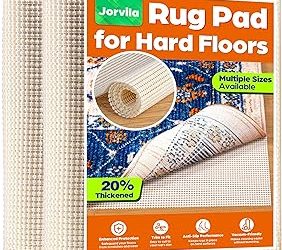
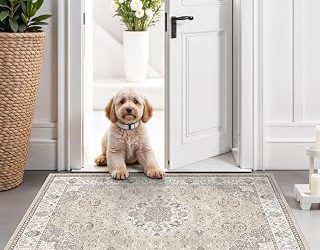
Washable rugs are especially practical in apartments and other small homes because they reduce the need for bulky cleaning equipment. The CHAMPLANT Washable Area Rug in the 6-by-9-foot vintage style is a thin, low-profile option that can be easier to handle than a heavy traditional rug. Confirm your washer’s capacity, use the care instructions, and measure the rug when folded before buying; a rug that fits the room may not fit the machine.
Tips
- Place a washable runner at the entry to capture grit before it reaches the main rug.
- Keep a white towel, soft brush, and compatible spot formula together in a small cleaning caddy.
- Use furniture cups or felt pads under heavy pieces so damp cleaning does not leave pressure marks.
- Vacuum high-traffic lanes more often than the rest of the rug instead of waiting for visible soil.
Frequently Asked Questions
Can I clean every area rug with a carpet cleaner?
No. Carpet machines are generally best for colorfast, water-safe synthetic rugs. Check the care label first, and avoid machine extraction on viscose, jute, antique, heavily fringed, or otherwise delicate rugs unless a professional specifically approves it.
How often should an area rug be deep-cleaned?
Many household rugs need a deeper clean once or twice a year, with spot treatment as needed. Entry rugs, pet rugs, and pieces in dining areas may need more frequent attention. Vacuuming regularly reduces how often you need to wet-clean.
What is the fastest way to dry a wet rug?
Extract as much water as possible, elevate the rug to expose both sides, and use cross-ventilation with fans. A thin synthetic rug may dry within a day, while a dense or backed rug can take longer. If it still smells damp, keep drying rather than putting it back in place.
Should I use hot water on an area rug?
Only if the manufacturer’s instructions allow it. Heat can cause some dyes to bleed, fibers to shrink, or rubber-backed materials to deteriorate. Lukewarm or cool water is the safer default when the label does not specify a temperature.
Conclusion
The best way to clean an area rug is a measured sequence: identify the material, remove dry grit, treat stains gently, extract only as much water as the rug can handle, and dry it completely. Choose a compact spot cleaner for occasional accidents, an upright machine for compatible larger rugs, or a washable low-profile design when easy maintenance matters most in your home.