Key takeaways
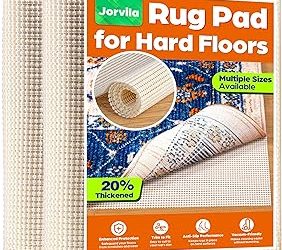
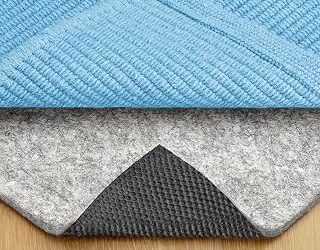
- Place a washable mat at entrances to reduce the grit that reaches the wool rug.
- Rotate the rug every few months to even out foot traffic and sun exposure.
- Keep plant pots, pet bowls, and damp shoes off wool; moisture can create rings and musty odors.
- Store a clean rug rolled with the pile inward, wrapped in breathable fabric—not sealed plastic.
What's inside
Wool rugs bring warmth, softness, and useful insulation to a room, but their natural fibers need a gentler cleaning routine than synthetic carpet. Too much water, heat, agitation, or the wrong detergent can cause shrinkage, color bleeding, felting, or a permanently fuzzy texture. In a small home, where one rug often defines an entire seating area, careful maintenance is especially worthwhile.
This guide explains the safest way to clean a wool rug at home, from removing loose grit to treating spots and drying the rug properly. You’ll also learn when a low-moisture product makes sense, which brushes are suitable for wool and sheepskin, and when professional cleaning is the smarter choice. Below are our recommended picks.
As an Amazon Associate we earn from qualifying purchases.



1. Check the Rug Before Cleaning
Start by reading the care label and identifying the rug’s construction. Hand-knotted, hand-tufted, flat-weave, antique, and sheepskin rugs can respond differently to moisture and agitation. If the rug is valuable, dyed with unstable colors, backed with adhesive, or already shedding heavily, arrange a professional assessment before using any cleaner.
Test for colorfastness in an inconspicuous corner. Dampen a white cotton cloth with cool water and press it against the rug for several seconds. If dye transfers to the cloth, avoid wet cleaning and seek professional advice. Also inspect for moth damage, loose fringe, worn edges, and stains that may need specialized treatment.
2. Remove Dry Soil First
Most rug damage begins with grit trapped at the base of the pile. Grit acts like fine sandpaper as people walk across the rug, so regular dry soil removal is more important than frequent deep cleaning. Vacuum both sides if possible, beginning with the underside on a clean floor and then turning the rug right side up.
Use a vacuum with adjustable suction and avoid a powered beater bar unless the manufacturer specifically approves it. For delicate or long-pile wool, use a suction-only floor head. Move slowly in the direction of the pile rather than repeatedly dragging the vacuum across the same area. Shake small rugs outdoors only if the rug is sturdy; aggressive beating can break fibers and loosen the foundation.
3. Treat Spots With Minimal Moisture
Blot spills immediately with plain white towels, working from the outside of the mark toward the center. Do not scrub: rubbing spreads the stain and can roughen wool fibers. Lift solids with a spoon or dull edge, then blot again. Use small amounts of cool water only when needed, and keep the moisture near the surface.
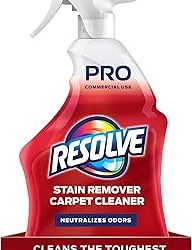
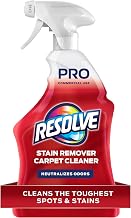
For a compatible wool-safe product, follow the label precisely and test first. Bissell Woolite Advantage Heavy Traffic Carpet Foam 3320 and BISSELL Woolite Advantage Carpet & Upholstery Cleaner 3325 are designed as foam cleaners, so they can be useful for localized, low-moisture treatment when the rug’s care instructions permit them. Apply foam to a cloth or sponge rather than saturating the rug, and remove residue with a barely damp cloth.
Never use chlorine bleach, alkaline household cleaners, hot water, or enzyme formulas unless a textile professional specifically recommends them. Enzymes and strong detergents may be inappropriate for wool’s protein fibers or for dyes and backing materials.
4. Clean the Surface Carefully
For light overall soiling, a dry or very low-moisture method is usually safer than shampooing. A powder such as Capture Carpet & Rug Dry Cleaner can help freshen some rugs, but always confirm that the manufacturer allows powder cleaning. Distribute it lightly, follow the dwell time, and vacuum thoroughly so residue does not remain in the pile.
For washing wool, choose a pH-neutral, wool-specific formula rather than general laundry detergent. Outback Gold Wool Wash is an unscented, plant-based option made for fibers including wool, cashmere, silk, and sheepskin. Even with a suitable wash, do not assume a wool rug can be soaked at home: large rugs are difficult to rinse and dry evenly, and trapped moisture can lead to odor, dye migration, or mildew.
5. Groom and Dry Without Distortion
After spot cleaning, press the area with dry towels to draw out moisture. Keep the rug flat and support it evenly; hanging a wet rug can stretch the foundation. Use fans to improve airflow, but avoid hair dryers, radiators, direct high heat, and prolonged intense sunlight. Do not put furniture back until the rug is fully dry.
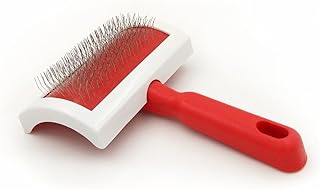
Brush only when the rug’s construction allows it. A soft sheepskin brush, such as the CleanSheep Sheepskin Cleaning Brush for Rugs & Throws or the MetU Sheepskin Rug Brush, can lift and separate suitable long fibers. Use light strokes in the natural direction of the pile. Stop if fibers shed excessively, the surface pills, or the backing begins to move.
Tips
- Place a washable mat at entrances to reduce the grit that reaches the wool rug.
- Rotate the rug every few months to even out foot traffic and sun exposure.
- Keep plant pots, pet bowls, and damp shoes off wool; moisture can create rings and musty odors.
- Store a clean rug rolled with the pile inward, wrapped in breathable fabric—not sealed plastic.
Frequently Asked Questions
Can I use a carpet cleaner machine on a wool rug?
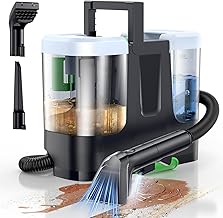
Usually, it is best to avoid a conventional carpet extractor unless the rug maker explicitly approves it. Machines can introduce too much water, heat, or suction, and drying may be uneven. Professional rug cleaners have equipment and procedures suited to wool.
How often should I deep-clean a wool rug?
Vacuuming should be regular, often weekly in busy areas. Spot-clean spills immediately, while full cleaning depends on traffic, pets, allergies, and visible soiling. Many household rugs need professional cleaning every one to three years rather than frequent wet washing.
Why does my wool rug shed after cleaning?
Some shedding is normal, particularly with new rugs or cut-pile styles. Excessive shedding may indicate aggressive vacuuming, over-brushing, loose fibers, or a structural issue. Reduce agitation and have persistent shedding evaluated.
Can I clean a sheepskin rug the same way as a woven wool rug?
No. Sheepskin has a leather hide backing and needs its own care instructions. Avoid soaking, twisting, and heat unless the manufacturer permits it. Use a suitable sheepskin wash and brush, or choose a specialist cleaner for valuable or heavily soiled pieces.
Conclusion
The best way to clean a wool rug is to remove dry grit frequently, treat spills with restrained moisture, use only compatible products, and dry the rug slowly and evenly. When the rug is valuable, unstable, heavily soiled, or difficult to handle in a small space, professional cleaning is not overcautious—it is often the most economical way to protect the fibers and extend the rug’s life.