Key takeaways
- Backing material: Favor products specifically identified as safe for vinyl or luxury vinyl plank flooring. Felt, EVA, and carefully specified rubber constructions are common choices, but compatibility depends on the exact formulation.
- Size and trimming: Choose a pad slightly smaller than the rug—usually about 1 to 2 inches short on every side—so it stays concealed and does not create a visible ridge.
- Grip: In busy spaces, prioritize a non-slip design that limits creeping and corner curl. A pad should stabilize the rug without bonding aggressively to the floor.
- Thickness: Low-profile pads suit doorways, rolling furniture, and compact rooms. Thicker felt adds comfort and sound absorption, but it can make furniture less steady or doors harder to open.
- Moisture and cleaning: In kitchens, entryways, and homes with pets, consider a pad that resists moisture and is easy to lift for cleaning. Let both the floor and pad dry fully before putting the rug back.
What's inside
Shopping for a rug pad for vinyl plank flooring is more complicated than picking the thickest, grippiest option on the shelf. Some rubber, PVC, and latex backings can interact poorly with resilient flooring, while an oversized pad may telegraph bumps, trap moisture, or make a small room feel even more crowded. The right choice should keep the rug anchored without putting the floor’s finish at unnecessary risk.
This guide evaluates five practical options with a small-space organization mindset. We’re looking at backing materials, cushioning, trim-to-fit flexibility, and where each pad makes the most sense—from a narrow entryway to a large living-room rug. Always check the flooring manufacturer’s care guidance before installation, and test a hidden area if the pad’s backing material is unfamiliar.
As an Amazon Associate we earn from qualifying purchases.


How to Choose a Rug Pad For Vinyl Plank Floors (2026)
- Backing material: Favor products specifically identified as safe for vinyl or luxury vinyl plank flooring. Felt, EVA, and carefully specified rubber constructions are common choices, but compatibility depends on the exact formulation.
- Size and trimming: Choose a pad slightly smaller than the rug—usually about 1 to 2 inches short on every side—so it stays concealed and does not create a visible ridge.
- Grip: In busy spaces, prioritize a non-slip design that limits creeping and corner curl. A pad should stabilize the rug without bonding aggressively to the floor.
- Thickness: Low-profile pads suit doorways, rolling furniture, and compact rooms. Thicker felt adds comfort and sound absorption, but it can make furniture less steady or doors harder to open.
- Moisture and cleaning: In kitchens, entryways, and homes with pets, consider a pad that resists moisture and is easy to lift for cleaning. Let both the floor and pad dry fully before putting the rug back.
The Best Rug Pad For Vinyl Plank Floors (2026)s Reviewed
RUGPADUSA Vinyl Lock
The 2-by-3-foot Vinyl Lock combines felt with EVA in a compact format designed for vinyl and luxury vinyl plank flooring. It is a particularly sensible choice for runners, bedside rugs, and small seating areas where a bulky pad would be excessive; its manageable size also makes it easy to lift during routine floor cleaning.
RUGPADUSA Basics Felt Rug Pad
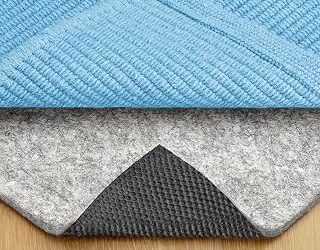
At 1/2 inch thick, the RUGPADUSA Basics pad is the comfort-focused option in this group. Its 100% felt construction can add softness and help quiet footfall beneath a larger rug, although the generous thickness is best reserved for rooms without clearance problems around doors, chairs, or cabinet fronts.
RUGPADUSA Dual Surface
This 8-by-10-foot, 1/4-inch pad pairs felt cushioning with a rubber backing and is designed as a broad, versatile foundation for a large area rug. It is a strong fit for an open-plan living room where you want one substantial pad to reduce shifting and give a seating zone a more finished feel.
Felt Rubber Dual Surface Rug Pad
The 3-by-5-foot dual-surface pad offers a lower-profile 1/8-inch build, making it better suited to compact spaces and rugs placed near thresholds. Its waterproof, non-slip positioning is useful in areas that see occasional spills, but verify the manufacturer’s flooring-compatibility guidance before committing it to a prominent vinyl installation.
Jorvila Non-Slip Rug Pad Gripper
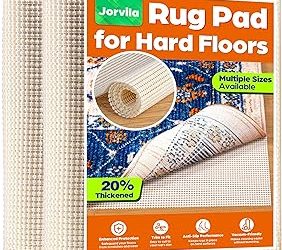
The Jorvila 8-by-10-foot gripper is aimed at keeping a large area rug in place while adding cushioning beneath it. For a family room or dining area, its expansive footprint can simplify setup, though careful measuring matters: in a small room, an oversized pad is harder to maneuver and more likely to interfere with nearby furniture.
Frequently Asked Questions
Can you use a rug pad on vinyl plank flooring?
Yes, but the backing must be compatible with the flooring. Avoid assuming that every rubberized or coated pad is suitable; check both the pad’s product information and the vinyl plank manufacturer’s recommendations.
What type of rug pad is safest for LVP?
There is no universal answer because vinyl flooring formulas and finishes vary. Products expressly labeled for vinyl or LVP, such as a felt-and-EVA design, are a sensible starting point, while a concealed test area provides extra reassurance.
Should a rug pad be smaller than the rug?
Yes. A pad that is slightly smaller on all sides will remain hidden and reduce the chance of catching a toe at the edge. Trim larger pads carefully with a sharp utility knife and a straightedge.
How do you stop a rug from moving on vinyl plank floors?
Start with a correctly sized pad and make sure the floor and rug backing are clean and dry. If movement continues, reassess whether the pad is too thin, the rug is unusually smooth, or the flooring maker recommends a different backing material.
Final Thoughts
For smaller rugs and direct LVP compatibility, RUGPADUSA Vinyl Lock is the most targeted pick. Choose RUGPADUSA Basics when plush cushioning matters most, or the RUGPADUSA Dual Surface for a large living-room rug that needs a balanced combination of grip and support.