
Key takeaways
- Choosing the best beginner jump rope is easier when the first comparison is about setup. Can you identify the model, follow its length adjustment and...
What's inside
Choosing the best beginner jump rope is easier when the first comparison is about setup. Can you identify the model, follow its length adjustment and use it in an appropriate area? Those questions help narrow the purchase without assuming that the lightest, fastest or most heavily featured rope is the best learning tool for everyone.
This guide provides practical selection and use considerations. It does not report hands-on product testing.
Ask what the learner needs to use
If the rope is for a class or coached activity, check the equipment guidance before buying. A teacher may explain how the chosen format relates to the skill being practiced. Keep that advice specific to the activity rather than borrowing a product preference from someone training for a different purpose.
A new user also needs clear operating instructions. The product should explain its own adjustment and permitted use, while individual technique or exercise questions belong with suitable instruction. A beginner label on the package does not answer both kinds of question.
Inspect the adjustment method
Look for the supported length range and the procedure used to set it. Determine whether the adjustment is reversible and whether a tool or permanent modification is involved. Do not cut a cord based on a generic rule before checking the specific product and resolving the intended setting.
Shared use introduces another consideration. A rope that can technically be shortened may not be intended for frequent changes between users. Confirm the procedure and keep any required components together. An adjustable claim should be supported by instructions that match how the household plans to use it.
Compare what is in the package
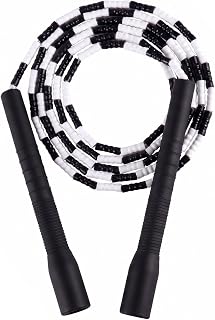
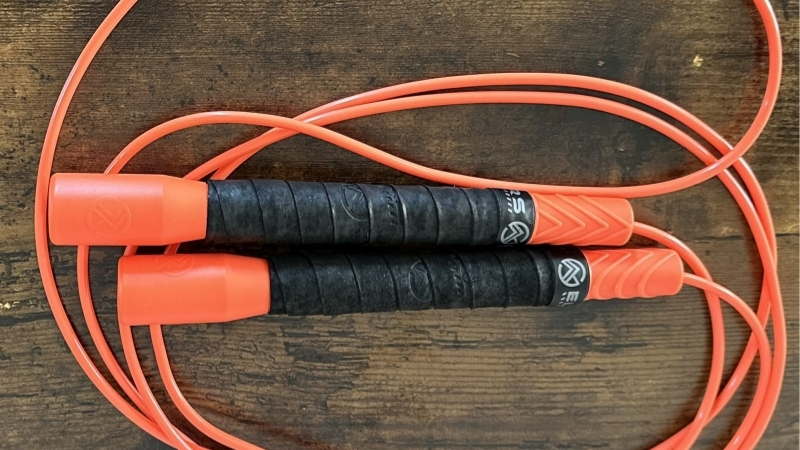
Distinguish the complete rope from replacement cords, handles and accessory sets. Check the selected variant rather than relying on a photo of several colors or components. A low price attached to an incomplete package is not a useful comparison with a ready-to-set-up product.
If interchangeable parts are included, identify which combination is intended for the learner’s activity. More configurations are not automatically better for a first purchase. Each additional part should have a clear role and supported compatibility rather than becoming a reason to improvise combinations.
Evaluate handling without invented performance claims
Read the cord construction, handle dimensions and fastening information. Where possible, inspect the product or a clear demonstration of its adjustment. Those details can reveal questions to ask, but they do not establish how quickly someone will learn or guarantee that a particular handle will feel comfortable.
Claims about speed or advanced features should be relevant to the intended use before they influence the decision. A useful beginner comparison focuses on understandable equipment and appropriate instruction. It does not need a promised calorie result, a fixed practice schedule or an unsupported statement that one cord format works for every learner.
Product listings to compare
As an Amazon Associate we earn from qualifying purchases at no extra cost to you. Product prices and availability are accurate as of the date shown and are subject to change. Compare the selected variant and its current description with the requirements above.
As an Amazon Associate we earn from qualifying purchases at no extra cost to you. Product prices and availability are accurate as of the date shown and are subject to change.


Check the entire operating space
The room needs to accommodate the rope’s path and the taught movement, not just a standing position on the floor. Assess overhead objects, nearby furniture and household access. A rope being easy to store does not mean that the activity fits every spare corner.
Review surface restrictions for the product and the requirements of the activity. Avoid using a household furnishing as an improvised marker or obstacle within the operating area. If the available room cannot support the setup, choose a suitable alternative location rather than altering technique around it.
Make care and storage easy to follow
- Keep the model and adjustment instructions accessible.
- Store the rope in the form recommended by its maker.
- Keep small adjustment parts with their compatible product.
- Follow the required checks before use.
- Use the service or replacement process for damaged components.
These tasks are straightforward to plan before the order arrives. Give the rope a defined place rather than mixing it with unrelated cords or leaving it across a household route. A carrying pouch can help organize equipment, but only when the storage method suits the product.
The final choice should support a clear beginning: the correct complete tool, understood adjustment and a suitable learning area. Compare offers on that basis, with delivery and return terms included, instead of treating a product’s most ambitious feature as the reason to buy it.
Additional product links
- Start 30-Day Prime Free Trial →
- See Today’s Amazon Deals
- ▸ Try Amazon Prime — free 30-day trial
- ▸ Start an Audible Premium Plus free trial
- ▸ Read free with Kindle Unlimited
Related reading
- Best beginner jump rope
- Chris Parker
- Best Shoes for Jump Rope: 5 Picks for Concrete and Timber
- Best Shoe for Jump Rope: Forefoot Cushioning and Drop Guide
- Best Full Body Workout Equipment: 6 Machines vs Free Weights
- Best Gym Equipment for Full Body Workout: 5 Key Choices
- Best Workout Gym Equipment: 6 Heavy-Duty Picks for Home Use
- Best boxing jump rope
- Best boxer jump rope
- Best cheapest yoga mat
- Best workout exercise equipment
- Best Exercise Jump Rope Picks for Safe, Simple Daily Use
- Jump Rope Best Picks: 6 Ropes for Speed and Small Rooms



Write Your Review
No reviews yet. Be the first to share your experience!