
Key takeaways
- The best home gym gear is often the item that removes a specific obstacle from an existing routine. Before adding another accessory, identify what...
What's inside
- Name the problem before naming a product
- Distinguish essential gear from supporting conveniences
- Investigate the smallest complete solution
- Product listings to compare
- Check whether the addition changes the workflow
- Keep support equipment appropriate
- Decide what would count as a useful improvement
- Additional product links
- Related reading
The best home gym gear is often the item that removes a specific obstacle from an existing routine. Before adding another accessory, identify what prevents the current setup from working well. Missing equipment, an awkward changeover and an unsuitable storage arrangement are different problems, and each deserves its own solution.
This guide provides practical selection and use considerations. It does not report hands-on product testing.
Name the problem before naming a product
Write a concrete description of the difficulty. Perhaps a taught exercise requires equipment you do not own, compatible parts are difficult to find, or the room takes too much rearrangement to use. Avoid starting with a broad wish to make the gym more complete; that wording can justify almost any purchase.
Check whether the existing equipment already offers a documented way to address the need. A manual may clarify a supported configuration or an accessory already supplied with the set. Do not improvise a new use to avoid buying something, but do not overlook legitimate capability either.
Distinguish essential gear from supporting conveniences
Equipment required for an exercise belongs in a different category from storage, instructional material or a device holder. Each can be useful, but an accessory does not replace the tool the movement requires. Keep those roles visible when comparing a mixed shopping list.
If the routine itself is uncertain, resolve that through appropriate instruction first. A package advertising many exercises does not tell you which ones suit your circumstances. Gear should follow a usable plan rather than create pressure to perform every activity pictured on its box.
Investigate the smallest complete solution
For example, if equipment already supplies the required resistance but its parts lack a suitable return position, a storage solution is a different purchase from another resistance kit. Compare those options against the named problem, including what would remain unused afterward.
Compare a suitable individual addition with replacing an entire setup. A compatible component might solve a genuine gap, while an unrelated kit could add duplicate equipment. Include everything needed to make the smaller option usable before calling it cheaper or more compact.
For attachments, require exact compatibility information. Similar dimensions, a shared color or the word universal should not settle a connection question. If the manufacturer does not support the proposed arrangement, choose another documented solution instead of adapting ordinary hardware to make it fit.
Product listings to compare
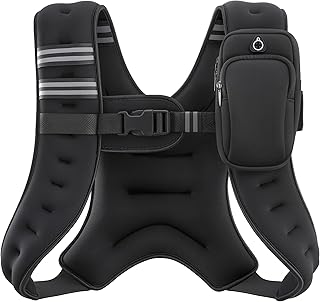
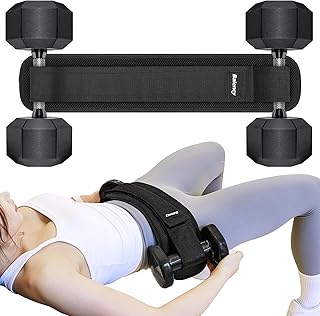
As an Amazon Associate we earn from qualifying purchases at no extra cost to you. Product prices and availability are accurate as of the date shown and are subject to change. Compare the selected variant and its current description with the requirements above.
As an Amazon Associate we earn from qualifying purchases at no extra cost to you. Product prices and availability are accurate as of the date shown and are subject to change.



Check whether the addition changes the workflow
Think through collecting, fitting, using and returning the new item. Some accessories reduce one inconvenience but introduce repeated setup elsewhere. Ask where the pieces wait during the session and whether their installation conflicts with another activity.
For a shared gym, consider who uses the same equipment next. A new attachment may need to be removed or adjusted between people. Keep the instructions accessible and establish a clear return position so an extra feature does not become a source of unidentified parts around the room.
Keep support equipment appropriate
A purpose-made equipment support has documented uses and limits. Household shelves, chairs and doors should not become substitute racks or anchors because they are conveniently positioned. Check the actual requirements of both the accessory and the equipment it supports.
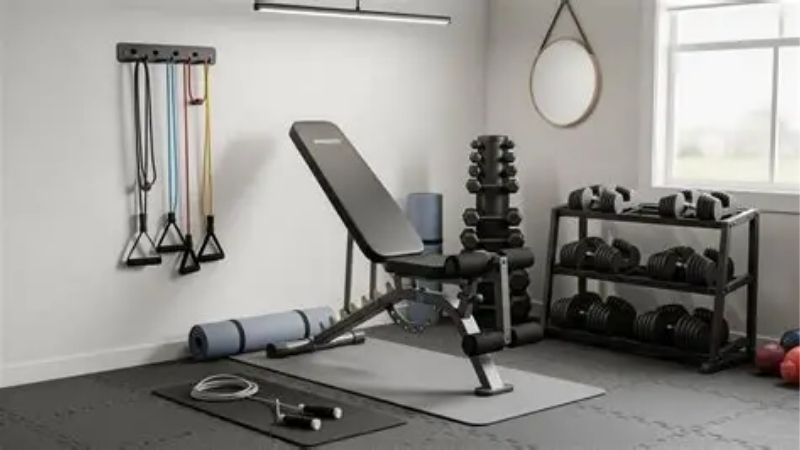
Plan floor space in use, not only the stored outline. An item that fits in a drawer may need a substantial clear area for its intended activity. If the room cannot accommodate that use, its small packaging is not a practical advantage.
Decide what would count as a useful improvement
Before ordering, state what the addition should change. Examples include supplying a missing supported configuration or giving existing equipment an appropriate return position. This makes it possible to assess the purchase without relying on a promised transformation of the entire workout.
Check complete contents, care guidance and the process for missing parts or returns. After the item arrives, verify the configuration before considering another addition. The most useful home gym collection grows through resolved needs: each piece has an understood role, a suitable place and a reason to remain part of the setup.
Additional product links
- Start 30-Day Prime Free Trial →
- See Today’s Amazon Deals
- ▸ Try Amazon Prime — free 30-day trial
- ▸ Start an Audible Premium Plus free trial
- ▸ Read free with Kindle Unlimited
Related reading
- Best home gym gear
- Chris Parker
- Best Gym Mat for Home: Rubber vs Foam Picks for Any Floor
- Best Rowers for Home Gym: Air, Magnetic and Water Compared
- Best Weight Home Gym: 6 All-in-One Machines for Small Rooms
- Best Home Gym Equipment for Beginners: The Starter Setup
- Best Treadmills for Home Gym: 5 Picks by Deck and Motor
- Best changeable dumbbells
- Best rated yoga mat
- Best mat yoga
- Best home gym equipmen
- Best fitness equipment for home gym
- Best Dumbbells Set: 6 Complete Options for Home Training
- Best Cardio Workout Equipment Home Training Really Needs
- Best Resistance Bands Leggings: 6 Pairs for Home Training
Write Your Review
No reviews yet. Be the first to share your experience!