Key takeaways
- Weight before wattage: If you’re carrying a vacuum up stairs or lifting it over a rug edge daily, anything above roughly 10 pounds becomes a chore. A 7-to-8-pound upright gets used; a 17-pound one gathers dust beside the one it was meant to clean.
- Brush roll control: Rugs with fringe, loose weave, or high pile need either a brush-off switch or a gentler agitator. Aggressive spinning bristles fray edges and can pull tassels straight into the housing.
- Parked footprint: Measure your actual storage gap, not the vacuum’s floor area in use. Stick models that stand upright in a 6-inch-deep slot behave very differently from uprights that need a full closet bay.
- Height adjustment for transitions: Area rugs create a step up from bare floor. Multi-height settings let you clear that lip without the vacuum stalling or the front edge scuffing the pile.
- Spills separate from suction: Rugs absorb what floors repel. If you have pets or a rug under a dining table, a dedicated spot cleaner saves the rug far more effectively than any dry vacuum will.
What's inside
Area rugs are the workhorses of a small home. They define a dining zone in a studio, soften a hallway that doubles as a mudroom, and hide a landlord’s questionable laminate. But they also collect grit at the edges, trap pet hair deep in the pile, and fringe out at the corners the moment a rotating brush roll gets near them. Most vacuums are designed for wall-to-wall carpet or bare floors, not for the awkward in-between: a 5×8 wool rug floating on hardwood, with three feet of clearance and nowhere to store the machine when you’re done.
This guide looks at vacuums through that lens. I’ve prioritized weight, footprint when parked, how gracefully each machine transitions from rug to hard floor, and whether it can handle spot treatment without a second appliance taking up closet space. Below you’ll find picks that range from a corded stick that lives behind a door to a wet-dry unit that mops the surrounding floor in the same pass.
As an Amazon Associate we earn from qualifying purchases.


How to Choose an Area Rug Vacuum (2026)
- Weight before wattage: If you’re carrying a vacuum up stairs or lifting it over a rug edge daily, anything above roughly 10 pounds becomes a chore. A 7-to-8-pound upright gets used; a 17-pound one gathers dust beside the one it was meant to clean.
- Brush roll control: Rugs with fringe, loose weave, or high pile need either a brush-off switch or a gentler agitator. Aggressive spinning bristles fray edges and can pull tassels straight into the housing.
- Parked footprint: Measure your actual storage gap, not the vacuum’s floor area in use. Stick models that stand upright in a 6-inch-deep slot behave very differently from uprights that need a full closet bay.
- Height adjustment for transitions: Area rugs create a step up from bare floor. Multi-height settings let you clear that lip without the vacuum stalling or the front edge scuffing the pile.
- Spills separate from suction: Rugs absorb what floors repel. If you have pets or a rug under a dining table, a dedicated spot cleaner saves the rug far more effectively than any dry vacuum will.
The Best Area Rug Vacuums of 2026, Reviewed
Eureka Airspeed Ultra-Lightweight NEU10AE5
At 7.7 pounds, this is the pick I recommend most often for apartments, since it’s light enough to steer around rug corners one-handed and slim enough to tuck between a bookshelf and a wall. The washable filter and included crevice tool keep running costs low, and it handles pet hair on low-to-medium pile without dragging the rug along with it.
Eureka Blaze 3-in-1 Swivel (NES215A)
The most storage-friendly option here: it breaks down into a handheld, which means one machine covers your rug, your stair treads, and your car. Corded power means no fade halfway through a room, and the swivel head is genuinely useful for working around table legs on a rug you can’t move.
Shark StainStriker PX221
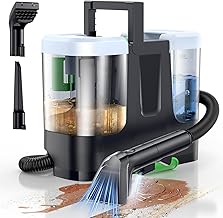
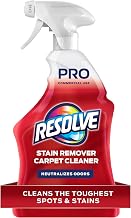
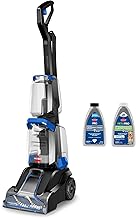
This isn’t a replacement for a vacuum, it’s the companion that saves the rug. The 3.5-inch stain tool plus OXY formula lifts wine, mud, and pet accidents out of the pile rather than spreading them, and the self-clean cycle means you’re not storing a dirty hose in a small closet.
roborock F25 GT Set
The lie-flat design and edge-to-edge mopping make this the strongest choice if your rugs sit on hardwood or tile, since one pass handles pile and surrounding floor. Hot-air drying and 194°F self-cleaning matter in tight spaces where a damp brush head would otherwise sit and sour.
Hoover WindTunnel Cord Rewind Pro
Five-height adjustment makes rug-to-floor transitions painless, and the 25-foot auto-rewind cord is the underrated feature here: no coiling, no cord looped over a hook, no tripping hazard in a narrow hallway. It’s the heaviest pick, so choose it if you have deeper pile and a real storage spot.
Frequently Asked Questions
Will a vacuum damage a wool or fringed rug?
It can, if the brush roll runs at full speed over fringe. Vacuum fringed edges with a handheld or crevice tool instead, and use a brush-off or low setting on the body of the rug.
Do I need a cordless vacuum for a small apartment?
Rarely. Corded models like the Eureka Blaze cost less, never lose suction, and in a compact layout a single outlet usually reaches everything.
How often should area rugs be vacuumed?
Twice weekly in traffic paths, weekly elsewhere. Grit is abrasive, and rugs in small homes take concentrated foot traffic that spreads out in larger houses.
Can one machine handle both rugs and hard floors?
Yes, with height adjustment or a wet-dry design. The Hoover and roborock both cross surfaces cleanly, though only the roborock actually mops.
Final Thoughts
For most small-space setups, the Eureka Airspeed NEU10AE5 is the practical answer: light, cheap to maintain, and easy to store. Pair it with the Shark StainStriker for rug emergencies, or step up to the roborock F25 GT if your rugs float on hard flooring and you’d rather own one machine than three.