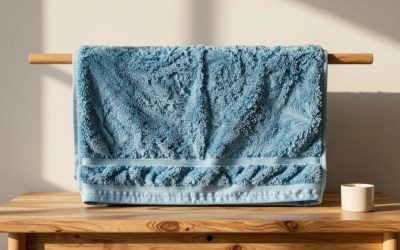
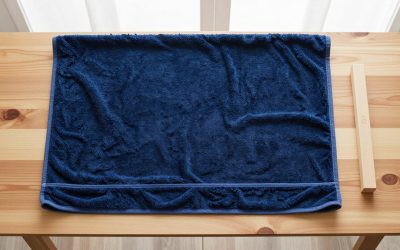
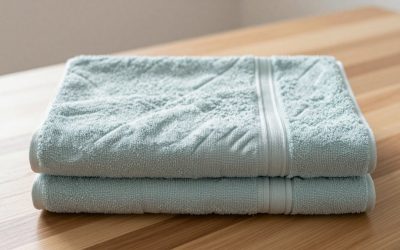
Cooling towels work by holding water and releasing it slowly through evaporation, so the best ones are thin, stretchy, and quick to re-wet. Pick by activity: a compact option for workouts and hiking, a larger one for outdoor work or sports sidelines.
How Cooling Towels Actually Work
Most cooling towels are made from a synthetic fabric that soaks up water, wrings out, and then feels cool as moisture evaporates from the surface. They are not refrigerated and they do not stay cold forever. Their effect tends to be strongest in dry air with a bit of breeze, and weaker in very humid conditions where evaporation slows down. Setting that expectation helps you judge whether one is worth buying for your climate.
Format Comparison
| Format | Typical use | Pros | Cons |
|---|---|---|---|
| Flat towel or cloth | Neck wrap, face wipe | Flexible and versatile | Needs holding in place |
| Neck gaiter style | Hiking, running | Stays on without tying | Less area for wiping |
| Headband or bandana | Outdoor work, cycling | Frees hands | Smaller cooling surface |
| Large sheet | Sports sidelines, camping | Covers shoulders and back | Bulkier to carry |
Choosing by Situation
Runners usually prefer something narrow and light that sits around the neck. Gardeners and outdoor workers often like a wide wrap that shades the back of the neck. Parents at kids’ sports events may favor a larger sheet that can be passed around. Gym users may find a regular sweat towel enough, so a cooling version is mostly for outdoor settings.
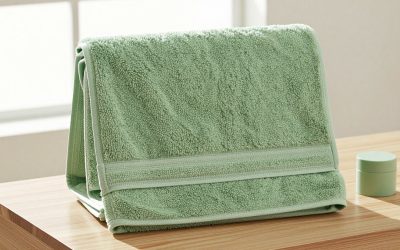
Compare a few cooling towels for the neck to see the range of lengths and widths.
What to Look For
- A stretchy, breathable weave that wicks and dries quickly.
- Size that suits how you plan to wear it.
- A carry pouch or clip if you want to take it on trips.
- Stitched edges that will not fray after repeated wringing.
Using One Well
Wet it thoroughly, wring it out, and snap it a few times if the product instructions suggest that. Place it on areas where blood vessels are close to the surface, such as the neck, and keep it out of direct harsh sun when you can. When it dries out, re-wet it. Cooling towels are comfort tools, not medical devices, so if you feel unwell in the heat, stop activity, move to shade, and seek appropriate help.
Care and Maintenance
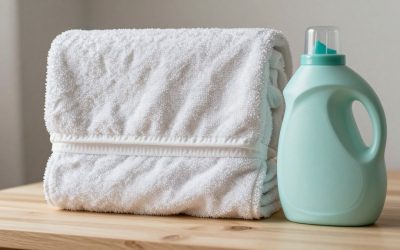
Rinse after each use, especially after sweaty sessions, to prevent odor. Occasionally wash with mild soap, and avoid bleach and softeners unless the label allows them. Air dry rather than machine dry on high heat, and store it clean and fully dry. Stored damp, it can develop a smell that is hard to remove.
Common Mistakes
- Expecting ice-cold results in very humid weather.
- Leaving it wet in a gym bag.
- Using fabric softener, which can interfere with the fabric.
- Buying a towel too small to be useful for your task.
- Treating it as a substitute for water and rest in extreme heat.
Pairing a cooling towel with an insulated water bottle covers both external and internal cooling, and a cooling headband is an alternative if you prefer something hands-free.
Frequently Asked Questions
Do cooling towels work in humid climates?
They tend to work less well because evaporation is slower, but some people still find them refreshing. Airflow helps.
How long does the cooling last?
It varies with temperature, humidity, and wind. Expect to re-wet it periodically during longer activities.
Can I use it as a regular towel?
They are thin and made for wiping and wrapping, so they are not ideal for drying after a shower.
Are they reusable?
Yes, with rinsing and drying between uses, they can last a long time under normal conditions.