
Key takeaways
- Setting up a home gym is easier when the purchase and assembly sequence is clear. Begin with the room's constraints and the equipment required by your...
What's inside
Setting up a home gym is easier when the purchase and assembly sequence is clear. Begin with the room’s constraints and the equipment required by your routine. Then plan delivery, installation, storage and ongoing care before committing to a complete collection.
This guide provides practical selection and use considerations. It does not report hands-on product testing.
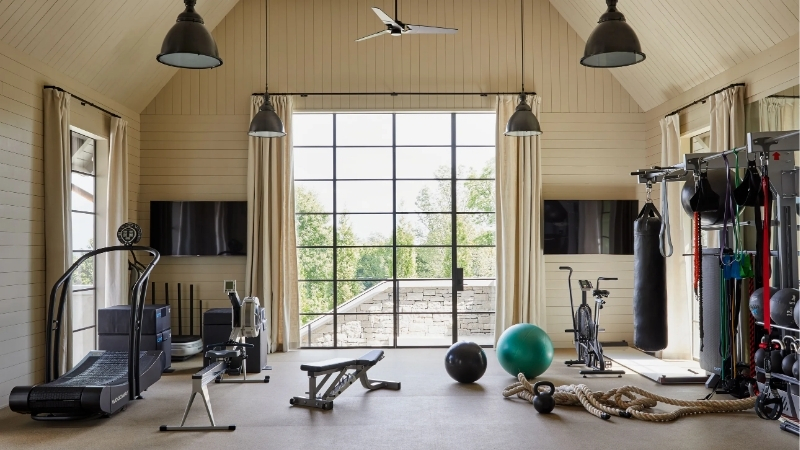
The goal is a usable arrangement beside the furnishings that remain. A set up should not depend on temporarily blocking a door, moving equipment contrary to its instructions or using household furniture for an unintended purpose.
Product listings to compare
As an Amazon Associate we earn from qualifying purchases at no extra cost to you. Product prices and availability are accurate as of the date shown and are subject to change. Compare the selected variant and its current description with the requirements above.
As an Amazon Associate we earn from qualifying purchases at no extra cost to you. Product prices and availability are accurate as of the date shown and are subject to change.


Build a practical requirements list
Write down the activities and the equipment they need. Mark any required attachments or support surfaces. Keep optional accessories separate so the initial order is focused on a usable setup.
Check the exact product information rather than a general category description. If individual exercise or fit questions remain, obtain suitable guidance before choosing specialized equipment. The shopping process should follow those answers.
Prepare the room plan
Measure the room with furniture in its normal place. Include operating clearances, access routes and storage positions for candidate equipment. A plan that shows only machine bases leaves out important parts of use.
Decide which items remain assembled and which are stored between sessions. Read their permitted handling and storage methods. Compact dimensions are useful only when the complete transition is practical.
Arrange delivery and assembly
Check how packages reach the final room, including doors, turns and stairs. Confirm what the delivery service includes and whether assembly is separate. Arrange help where required rather than improvising when the equipment arrives.
Keep packing information until the contents have been checked against the order. Follow the assembly instructions and retain the model details. A clear record helps if a part is missing or a configuration differs from what was expected.
Resolve placement before first use
Compare the manufacturer’s requirements with the supporting floor and any electrical provision. Do not add a decorative rug or convenient extension arrangement as an assumed solution. Obtain appropriate help when the installation is unclear.
Check furniture movement around the equipment. A cabinet or chair may interfere only when it is used, so assess the room in those positions too. Keep the household route separate from the activity area.
Assign storage immediately
Give attachments, manuals and loose components identified places. Use supports suitable for the actual items, especially weights. A container’s size does not establish that it is intended for the load.
Consider where components rest during a session as well as afterward. A partially assembled set should not spread across chairs or tables while another piece is being prepared. Storage needs to support the sequence of use.
Create a simple care record
Keep the instructed maintenance tasks, model information and service contacts together. Decide who handles routine checks if equipment is shared. Clear responsibilities are useful when the purchaser and regular user are different people.
Leave access for cleaning and inspection. Do not place furniture so tightly around equipment that every care task requires a complete rearrangement. The room should remain practical after the initial setup is finished.
Add equipment only after a review
Use a simple purchase record for each item: exact version, included parts, delivery arrangements and storage position. If the order changes, update the room plan too. A replacement model may have different dimensions or setup requirements even when the seller presents it as a close alternative.
- What activity is not yet supported?
- Does another purchase add a distinct role?
- Can its operating area be accommodated?
- Is suitable storage available?
- Are installation and support requirements clear?
These questions make expansion deliberate. A bundle may look economical while adding items with no place or purpose. Compare the complete arrangement rather than the number of pieces supplied.
The best home gym set up is one whose arrival, preparation and care have been planned as carefully as the exercise area. Let the furnishings support that process and keep the collection small enough to remain understandable.
Keep those decisions with the room plan for future reference.
Additional product links
- Start 30-Day Prime Free Trial →
- See Today’s Amazon Deals
- ▸ Try Amazon Prime — free 30-day trial
- ▸ Start an Audible Premium Plus free trial
- ▸ Read free with Kindle Unlimited
Related reading
- Best home gym set up
- Chris Parker
- Best Gym Mat for Home: Rubber vs Foam Picks for Any Floor
- Best Rowers for Home Gym: Air, Magnetic and Water Compared
- Best Weight Home Gym: 6 All-in-One Machines for Small Rooms
- Best Home Gym Equipment for Beginners: The Starter Setup
- Best Treadmills for Home Gym: 5 Picks by Deck and Motor
- Best home pull-up bar
- Best at home pull up bar
- Best in house pull up bar
- Best rated ab roller
- Best yoga travel mat
- Best Dumbbell Set for Home Gym: 5 Picks Ranked by Space
- Best Home Gym Set Ups: 6 Builds by Room Size and Budget
- Best Place To Buy Dining Room Set (2026)
- Best Place To Buy A Dining Set (2026)


Write Your Review
No reviews yet. Be the first to share your experience!