Key takeaways
- Backing material: Look for a backing specifically identified as suitable for vinyl or LVP. Avoid mystery plastics, PVC-heavy materials, and adhesive layers that may react with the finish.
- Grip versus cushioning: Thin grippers save clearance beneath doors and cabinets, while felt-and-rubber or felt-and-EVA designs generally provide a more substantial combination of comfort and stability.
- Correct sizing: Choose a pad slightly smaller than the rug on every side, usually by about 1 to 2 inches. An oversized pad can peek out and create a trip edge.
- Moisture and cleaning: In kitchens, entryways, and pet areas, prioritize a washable or easy-to-air option. Lift the rug periodically so the LVP can breathe and the floor can be checked.
- Surface condition: Clean and dry the floor before installation, and test any unfamiliar pad in a concealed spot. Repositioning the rug occasionally helps prevent uneven wear or trapped debris.
What's inside
Choosing a rug pad for luxury vinyl plank flooring is more complicated than picking the thickest option on the shelf. The wrong backing can trap moisture, leave residue, discolor the finish, or let an area rug creep across a busy walkway. LVP also benefits from a pad that cushions furniture weight without creating excessive pressure points.
This guide focuses on practical small-space concerns: reliable grip, manageable thickness, floor-safe materials, and easy maintenance. We compare felt, EVA, rubber, and silicone-style options so you can match the pad to the rug, room, and traffic level rather than relying on generic “non-slip” labeling.
As an Amazon Associate we earn from qualifying purchases.


How to Choose a Rug Pad For Lvp Floors (2026)
- Backing material: Look for a backing specifically identified as suitable for vinyl or LVP. Avoid mystery plastics, PVC-heavy materials, and adhesive layers that may react with the finish.
- Grip versus cushioning: Thin grippers save clearance beneath doors and cabinets, while felt-and-rubber or felt-and-EVA designs generally provide a more substantial combination of comfort and stability.
- Correct sizing: Choose a pad slightly smaller than the rug on every side, usually by about 1 to 2 inches. An oversized pad can peek out and create a trip edge.
- Moisture and cleaning: In kitchens, entryways, and pet areas, prioritize a washable or easy-to-air option. Lift the rug periodically so the LVP can breathe and the floor can be checked.
- Surface condition: Clean and dry the floor before installation, and test any unfamiliar pad in a concealed spot. Repositioning the rug occasionally helps prevent uneven wear or trapped debris.
The Best Rug Pad For Lvp Floors (2026)s Reviewed
RUGPADUSA Vinyl Lock
The Vinyl Lock is the most targeted choice in this group because it is designed specifically for vinyl and luxury vinyl plank flooring. Its felt-and-EVA construction should appeal to apartment dwellers who need a rug to stay put without adding the bulk of a thick cushion, particularly in hallways and narrow living areas.
RUGPADUSA Dual Surface
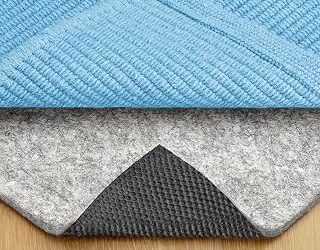
With felt on one side and rubber on the other, the Dual Surface offers useful flexibility when you need to fine-tune grip and cushioning. Its 1/4-inch profile is substantial enough to soften a hard floor underfoot while remaining more furniture-friendly than a heavily padded mat; confirm the manufacturer’s current LVP guidance before use.
Mayhawk Non-Slip Rug Gripper Pad
This thin 2-by-6-foot gripper is a practical fit for runners, bedside rugs, and compact entry mats where door clearance matters. Its silicone-style, residue-free grip and washable construction make it especially convenient for small spaces, though a narrow gripper will not replace full rug coverage beneath a large, heavily used area rug.
RUGPADUSA Basics Felt Rug Pad
The Basics pad is built around thick felt cushioning rather than aggressive traction, making it a strong option for protecting the floor and making a rug feel more comfortable. Because felt alone may slide on smooth LVP, pair it only with a compatible non-slip layer if the rug needs more hold, and verify that combination with the flooring manufacturer.
Jorvila Non-Slip Rug Pad Gripper
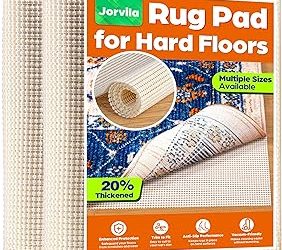
Jorvila’s 8-by-10-foot format suits larger living-room rugs where broad coverage is more valuable than a barely-there profile. Its thicker cushioned construction can help a rug feel less flat and provide a buffer beneath furniture, but measure carefully around sofa legs and doors before ordering.
Frequently Asked Questions
Can I use any rug pad on LVP flooring?
No. Some rubber, latex, PVC, and adhesive-backed materials may interact with vinyl finishes over time. Choose a product that explicitly lists vinyl or LVP compatibility, follow the flooring manufacturer’s care instructions, and test an inconspicuous area first.
What is the best thickness for a rug pad on LVP?
For most rooms, roughly 1/8 to 1/4 inch balances comfort, stability, and clearance. A 3/8-inch felt pad can feel pleasantly cushioned, but it may raise furniture, catch beneath doors, or need an additional grip solution on very smooth flooring.
How do I stop an area rug from sliding on LVP?
Start by cleaning both the floor and the underside of the rug. Use a properly sized LVP-compatible gripper or a dual-surface pad, keep the pad fully flat, and avoid folding or bunching it beneath the rug.
How often should I remove a rug from LVP flooring?
Inspect rugs every few weeks in high-traffic rooms and more often where spills, pets, or tracked-in grit are common. Lift and air the rug, vacuum beneath it, and check for moisture, discoloration, grit, or changes in the floor’s sheen.
Final Thoughts
For the most LVP-focused solution, start with the RUGPADUSA Vinyl Lock. The Mayhawk Non-Slip Rug Gripper is a smart space-saving choice for runners, while the RUGPADUSA Dual Surface is the better all-around pick when you want noticeable cushioning with added grip. Always confirm compatibility with your flooring warranty and keep the pad clean, dry, and slightly smaller than the rug.