Key takeaways
- Stainless steel: durable and corrosion-resistant, a common choice for wet areas.
- Brass or zinc with plating: attractive but check finish quality to avoid peeling.
- Aluminum: light and rust-resistant, though usually less sturdy.
- Wood or bamboo: warm look; needs sealing against moisture.
- Powder-coated metal: good color selection, but chips can expose steel underneath.
The best towel rack is the one that fits your wall space, holds your towel sizes, and lets fabric hang open so it dries between uses. Wall-mounted bars suit most bathrooms, freestanding racks help where you cannot drill, and over-the-door racks are an easy renter option. This guide is research-based, not detailed research.
Start With Space and Mounting
Measure first. Note the wall width, the distance from fixtures, and clearance from doors and toilets. Check wall material too: drywall needs anchors, tile needs careful drilling, and rentals may forbid either. Many problems with towel racks come from mounting, not the rack itself. A bar that sags or pulls out of the wall under a wet bath sheet is usually a mounting failure.
Rack Types Compared
| Type | Install | Strength | Weakness |
|---|---|---|---|
| Single or double towel bar | Screws into wall | Classic, space-efficient | Limited capacity |
| Ladder-style rack | Leans or mounts | Holds several towels with airflow | Takes floor or wall space |
| Over-the-door rack | No tools | Renter-friendly | Must fit the door; may not close well |
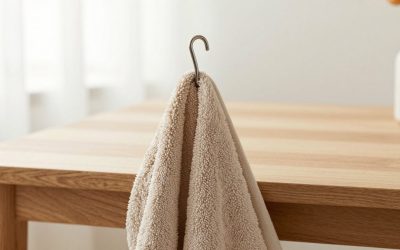
| Wall hooks | Screws or adhesive | Slim, simple | Towels hang in a bunch, dry slowly |
| Freestanding rack | None | Moveable, flexible | Larger footprint |
| Shelf with rail | Wall mount | Stores folded towels and spares | Needs more space |
Materials and Finishes
- Stainless steel: durable and corrosion-resistant, a common choice for wet areas.
- Brass or zinc with plating: attractive but check finish quality to avoid peeling.
- Aluminum: light and rust-resistant, though usually less sturdy.
- Wood or bamboo: warm look; needs sealing against moisture.
- Powder-coated metal: good color selection, but chips can expose steel underneath.
Practical Rules for Better Drying
- Give each towel its own bar or hook when possible.
- Choose a bar long enough to spread a towel open.
- Keep racks away from the shower stream.
- Leave air space behind the towel instead of pressing it to the wall.
- Consider the height for kids and for shared use.
To compare layouts, browse wall mounted bathroom towel bars. For small bathrooms, over the door towel racks avoid drilling. If you prefer a decor piece, freestanding ladder towel racks add storage. Check weight limits and mounting hardware in the listings.
Installation Pointers
Use a stud finder when mounting on drywall. If you cannot hit a stud, use anchors rated well above the load, remembering that wet bath sheets are heavy. On tile, use a masonry bit and keep drilling slow to avoid cracking. Follow the rack’s instructions for height; bars are often placed within easy reach of the shower. Seal around drilled holes in wet areas if the manufacturer suggests it, to protect walls from moisture. Adhesive racks may work for light loads but can fail in steam, so read their limits carefully.
FAQ
How high should a towel bar be?
Convenience matters more than a fixed number. Place it where you can reach it from the shower without stretching, and where a towel will not drag on the floor.
Can I hang a wet towel on a hook?
Yes, but a bar dries it faster because the fabric spreads open.
Is a heated rack different from a regular rack?
Yes. Heated racks add electrical or plumbing components. See our towel warmer guide for details.
Measure carefully, pick a type that fits your habits, and mount it securely. A good rack protects your walls, your towels, and your daily routine.