Key takeaways
- Waffle or flat weaves: open structures rinse more easily than dense piles.
- Long-staple cotton: smoother yarns can feel softer after repeated washes.
- Lighter weights: less fabric means less trapped residue and faster rinsing.
- Light or mid-tone colors: mineral dullness shows less than on dark shades.
- Cotton-linen blends: linen releases residue readily and softens with age.
Hard water does not make a particular towel immune to stiffness, but certain choices cope better: lighter weaves that rinse easily, long-staple cotton that resists wear, and a laundry routine that fights mineral buildup. If your towels feel scratchy and look dull, the water and wash habits are often the cause, not just the towel. This guide is research-based and not drawn from detailed research.
How Hard Water Affects Towels
Hard water contains dissolved calcium and magnesium. These minerals can bind with detergent and leave residue in fibers, which can make towels feel stiff, look dingy, and absorb less. Washing also becomes less efficient because detergent works poorly in hard water. Heat can make mineral deposits more noticeable. None of this is dangerous, but it can shorten the pleasant life of a towel.
Towel Choices That Tend to Cope Better
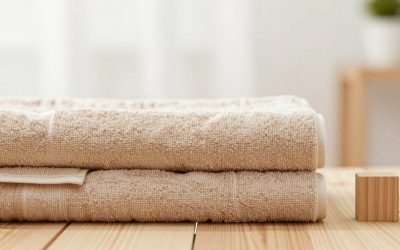
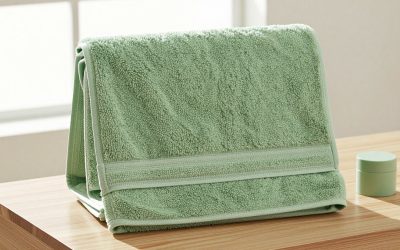
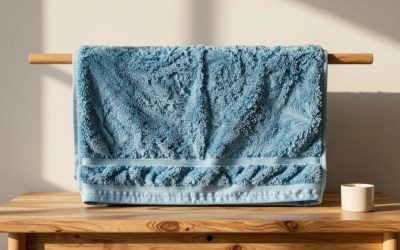
- Waffle or flat weaves: open structures rinse more easily than dense piles.
- Long-staple cotton: smoother yarns can feel softer after repeated washes.
- Lighter weights: less fabric means less trapped residue and faster rinsing.
- Light or mid-tone colors: mineral dullness shows less than on dark shades.
- Cotton-linen blends: linen releases residue readily and softens with age.
How Different Types Fare
| Type | Rinses out | Stiffness risk | Notes |
|---|---|---|---|
| Dense heavy terry | Slower | Higher | Needs extra rinse |
| Medium terry, combed cotton | Moderate | Moderate | Common compromise |
| Waffle weave | Easier | Lower | Less plush |
| Flat-woven Turkish-style | Easiest | Lower | Thin and quick-drying |
| Microfiber | Easy | Low, but can trap minerals on surface | Wash separately |
Laundry Fixes That Matter More Than the Towel
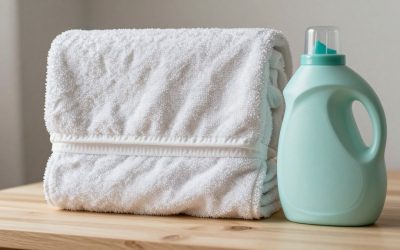
- Use a water softener or a laundry booster designed to bind minerals, following product directions.
- Do not over-dose detergent. Extra soap leaves residue; use the amount recommended for your load size.
- Add an extra rinse. It helps flush minerals and soap.
- Try a vinegar rinse occasionally. A cup of white vinegar in the rinse cycle is a commonly used remedy for stiffness, though results differ.
- Avoid fabric softener. It coats fibers and compounds buildup.
- Dry gently. Hot, long cycles can bake residue into fibers.
Where to Look
For lighter options, browse waffle weave towels. To address the water itself, laundry water softener boosters are a separate product category. For a long-fibre cotton option, check long-staple cotton bath towels. If hard water is persistent in your home, whole-house treatment is a larger decision and should be researched separately.
Reviving Stiff Towels
A reset wash can help. Run the towels alone in hot water if the care label allows, with a smaller amount of detergent and a cup of white vinegar in the rinse. Follow with a second plain rinse. Some people use citric acid or a laundry stripper product; follow directions and test on one towel first. Dry on medium heat with clean wool dryer balls or tennis balls to fluff. Repeat as needed. Note that these steps manage symptoms but do not alter your water.
FAQ
Do towels last less in hard water?
They can wear faster if residue builds and washing is harsh, but good laundry habits reduce the effect.
Is vinegar safe for towels?
Diluted white vinegar in the rinse is widely used on cotton. Avoid mixing it with bleach, and check your washer manual.
Should I buy softer towels to counter it?
Softer construction helps, but laundry changes usually make a bigger difference.
Pair lighter, easy-to-rinse towels with a smart wash routine, and hard water becomes much less of a problem.