Key takeaways
- 6 inches: Phones, glasses, e-readers, a small clock, framed photos. Decor only — most books won’t fit upright.
- 8 inches: Paperbacks (typically 4.5–5 in deep), tablets, charging cables, a compact alarm clock. The practical minimum for a reader’s headboard.
- 10–12 inches: Hardcovers, storage baskets, a small lamp or plant. At 12 inches you’re effectively getting nightstand-equivalent surface on both sides of the bed.
A California king headboard with shelves needs to clear a 72-inch-wide mattress plus the frame’s outer edges, which means shopping for a unit 74 to 78 inches wide with shelves at least 8 inches deep if you want it to hold real books rather than just decor. Here’s exactly how to size it, what depth each shelf actually stores, and how much wall clearance a bookcase-style headboard demands in a large bedroom.
The Exact Measurements to Shop For
California king mattresses measure 72 inches wide by 84 inches long — narrower and longer than a standard king — so a cal king headboard with shelves is a different product than the more common king bookcase headboard. Most frames add 1 to 2 inches per side, putting the outer frame width around 74 to 76 inches.

IKIFLY California King Storage Headboard Only, Adjustable Height, Black
Included for 'California King Headboard With Shelves: Size Guide and Storage Options' because the listing specifies Adjustable Height and Black, details this guide uses to compare options.
View on Amazon
LIKIMIO California King Bed Frame with Storage Headboard & Charging Station
Included for 'California King Headboard With Shelves: Size Guide and Storage Options' as a relevant option in this category; details come from the product listing.
View on Amazon
LIKIMIO California King Bed Frames with 2-Tier Storage Shelf Headboard
Included for 'California King Headboard With Shelves: Size Guide and Storage Options' as a relevant option in this category; details come from the product listing.
View on Amazon| Measurement | Typical Range | Why It Matters |
|---|---|---|
| Cal King mattress width | 72 in | Minimum headboard span |
| Frame outer width | 74–76 in | Headboard should meet or slightly exceed this |
| Recommended headboard width | 74–78 in (max ~80) | Wider than 80 in looks oversized on a 72-in mattress |
| Headboard height above mattress top | 14–24 in | Shelves blocked by pillows are wasted storage |
| Total bookcase headboard height | 40–56 in | Taller units need wall anchoring |
| Shelf depth | 6–12 in | Determines book vs. decor use |
| Weight capacity per shelf | 15–50 lb | Engineered wood sits at the low end; solid wood at the high end |
Check your mattress-top height before ordering: most Cal King setups put the mattress surface 24 to 28 inches off the floor, so the lowest shelf should start at roughly 30 to 34 inches to stay visible and reachable above the pillows.
Shelf depth, mapped to what you actually store
- 6 inches: Phones, glasses, e-readers, a small clock, framed photos. Decor only — most books won’t fit upright.
- 8 inches: Paperbacks (typically 4.5–5 in deep), tablets, charging cables, a compact alarm clock. The practical minimum for a reader’s headboard.
- 10–12 inches: Hardcovers, storage baskets, a small lamp or plant. At 12 inches you’re effectively getting nightstand-equivalent surface on both sides of the bed.
Wall Clearance and Room Fit
The measurement people forget: a bookcase headboard pushes the entire bed 6 to 12 inches farther from the wall. A Cal King is already 84 inches long, so a 10-inch-deep headboard puts the bed’s footprint at roughly 94 to 96 inches from the wall. In a 10-foot-deep bedroom (120 inches), that leaves only about two feet at the foot of the bed — tight if you have a bench or dresser opposite.
- Side clearance: Plan for 24 inches minimum on each side for walking, and 30–36 inches for comfortable bed-making. In a 12-foot-wide room, a 72-inch mattress leaves 36 inches per side — ideal. In a 10×12 ft room it leaves 24 inches per side, which is exactly why shelf headboards shine there: they replace nightstands entirely.
- Outlet clearance: If the headboard has cable grommets or built-in USB ports, leave 1–2 inches between the unit and the wall so cords and plugs aren’t crushed.
- Door and drawer swing: Bookcase headboards with side-facing cabinets need 12–15 inches of clear space beside the bed to open fully.
Storage Layouts and What Each Does Best
Open shelving is cheapest and keeps everything visible, but collects dust and looks cluttered fast. Cabinets with doors hide chargers, medications, and clutter — the better pick for kids’ and pets’ rooms. Sliding-door units let you split the difference, covering half the shelves while keeping one side open. Adjustable shelves matter more than shelf count: a fixed 8-inch gap wastes vertical space on paperbacks, while pin-adjustable shelves let you dedicate one 12-inch bay to hardcovers and a 7-inch bay to devices. Built-in lighting and USB ports usually add $80–$150 to the price and are worth it if the headboard is your only bedside surface.
Material Trade-Offs
| Construction | Price Range | Shelf Capacity | Durability Reality |
|---|---|---|---|
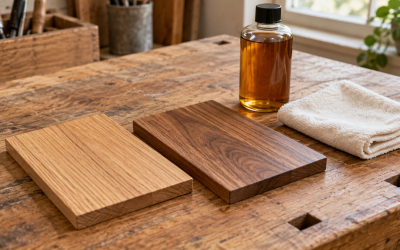
| Solid wood (oak, pine, acacia) | $600–$1,500+ | 30–50 lb per shelf | Heaviest (often 120+ lb); refinishable; survives multiple moves |
| Engineered wood (MDF/particleboard with veneer or laminate) | $250–$700 | 15–25 lb per shelf | Veneer edges chip first; cam locks loosen on reassembly; best for one home, not three moves |
| Metal frame with wood shelves | $300–$800 | 20–40 lb per shelf | Frame outlasts shelves; bolts stay tight; industrial look limits style range |
Pick by Your Situation
| Your Situation | Best Choice |
|---|---|
| Renter | Frame-mounted or freestanding unit — no wall drilling; avoid tall wall-anchored towers |
| Heavy reader | 10-in minimum depth, adjustable solid-wood shelves rated 30+ lb |
| Small bedroom (10×12 ft) | Slim 6–8 in depth with cabinets; shelves replace both nightstands |
| Kids and pets | Doored cabinets, rounded corners, wall-anchored for tip-over safety |
| Frequent mover | Metal frame or solid wood; engineered wood rarely survives a second disassembly |
Delivery, Assembly, and Moving Realities
Most bookcase headboards ship flat-packed in a single box roughly 78 to 80 inches long and weighing 70 to 130 pounds. The box length isn’t a doorway problem (standard interior doors are 30–32 inches and you’ll carry it through flat), but it is a stairwell problem — measure the turn at the landing and ceiling clearance before delivery day. Budget 60 to 90 minutes of two-person assembly for cam-lock construction.
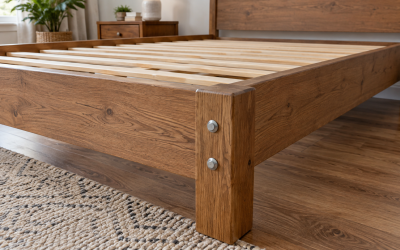
Three mounting styles exist: bolts to the bed frame brackets (check bolt-hole spacing — Cal King frames use different spacing than standard king), French cleat to the wall (most secure, requires studs), and freestanding (simplest, can wobble without a mattress wedged against it). What wears first: shelf support pins, cam locks on reassembly, and veneer edge banding — in that order.
FAQ
Will a standard king headboard fit a Cal King?
Visually, yes — standard king headboards run 76 to 80 inches wide and will overhang a 72-inch mattress by only a couple of inches per side. The problem is mounting: bolt-hole spacing on the frame brackets often doesn’t line up, so expect to buy a universal adapter bracket or wall-mount instead.
Can a headboard with shelves replace nightstands?
Almost. It handles books, phones, glasses, and chargers well, but shelves give you less flat surface than a real nightstand top — a full water carafe or table lamp usually doesn’t fit unless you have 12-inch-deep shelving. Most buyers keep one slim nightstand on the dominant sleeper’s side.
How much weight can the top shelf hold?
Engineered-wood units are typically rated 15–25 pounds per shelf — fine for books and decor, not for a row of hardcover art books stacked edge to edge. If you’re loading shelves heavily, solid wood rated 30 pounds or more per shelf is the safer spec.