Key takeaways
- The herman miller embody desk chair comes in one size with an adjustable seat depth, so the review that matters is how well its 15-to-18-inch depth range and Backfit support adapt to your body, rather than any choice between A,…
The herman miller embody desk chair comes in one size with an adjustable seat depth, so the review that matters is how well its 15-to-18-inch depth range and Backfit support adapt to your body, rather than any choice between A, B, or C sizes, as its fit comes from adjustment.
Size and Adjustability
Unlike chairs sold in multiple sizes, the Embody is one chair that adapts through adjustment, chiefly its 15-to-18-inch seat depth and its arm range. The table below lays out the manufacturer figures for seat height, depth, arms, capacity, and price, so you can judge whether its adjustable fit suits your body before buying.
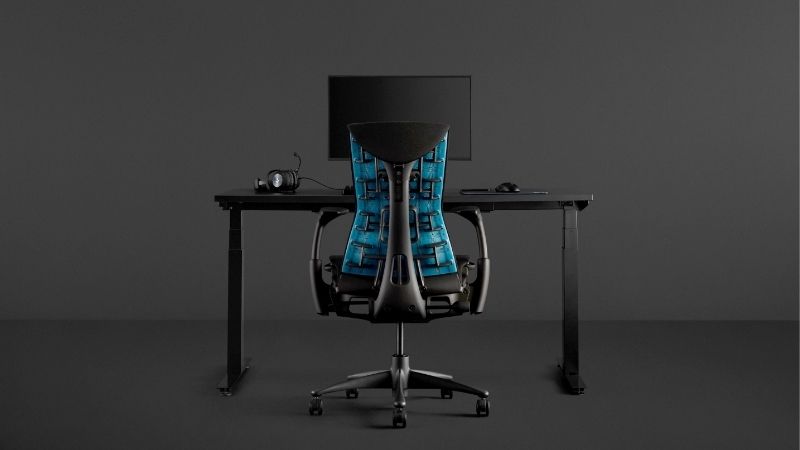
| Spec | Manufacturer Rating | What It Means | Watch Out For |
|---|---|---|---|
| Seat height | 16–20.5 in | Fits a range of desk heights | Set feet flat first |
| Seat depth | 15–18 in, adjustable | Adapts to leg length | One size, not A/B/C |
| Arms | 6.5–11.5 in high; 12–21 in apart | Wide arm adjustment | Adjustable-arm version |
| Capacity and warranty | 300 lb; 12-year | Durable, premium build | Lower capacity than some rivals |
| Price | ~$2,255–$2,555 by config | A premium investment | Price tied to exact config |
Seat Height
The Embody lists a seat-height range of 16 to 20.5 inches, which covers a broad span of desk heights and user statures. Set the height so your feet rest flat and your knees sit roughly level with your hips, since getting that foundation right is the first step before dialing in the chair’s other adjustments.
That range suits most average builds at a standard desk, though very tall or very short users should check their ideal seat height falls within it. Because the chair is one size, the seat-height range does the work that size selection does on other chairs, so confirming your height fits inside it matters before you buy.
Adjustable Seat Depth
The Embody’s defining adjustment is its 15-to-18-inch seat depth, which lets you set the gap behind your knees to match your leg length. Rather than choosing a size, you slide the seat to suit your body, which is the chair’s main answer to the fit problem that a fixed-depth seat cannot solve for everyone.
Aim for a small gap between the seat’s front edge and the backs of your knees with your back against the support, adjusting within the range until it feels right. This single adjustable range is why the Embody fits a wide spread of users in one chair, so take the time to set it rather than leaving it at the default.
Arms
Arm adjustability is generous, with a stated height range of 6.5 to 11.5 inches and a width range of 12 to 21 inches apart on the adjustable-arm version. That wide span lets you bring support close so your shoulders stay relaxed while typing, which matters as much as the seat for comfort over a long day.
Set the arms so your elbows rest near a relaxed right angle at your desk, neither hunched up nor reaching down, and adjust the width to your frame. Confirm you are choosing the adjustable-arm configuration if arm fit matters to you, since arm options affect both the comfort and the final price of the chair.
Who May Fall Outside the Fit
Even with wide adjustment, some users fall outside the Embody’s envelope, chiefly those near or above its 300-pound capacity or outside its height and depth ranges. Check your measurements against the stated figures, since a single adjustable chair still has limits, and a user beyond them will not get a proper fit.
The 300-pound capacity is lower than some rival chairs offer, so heavier users should weigh that figure carefully against alternatives with higher ratings. Because the Embody relies on adjustment rather than sizes, confirming you sit within its ranges is the equivalent of choosing the right size on a chair that offers several.
Features Reviewed
The Embody’s reputation rests on its support system and seat design, from its pixelated backrest to its Backfit adjustment and layered seat. Judged on what they do rather than marketing, these features explain the chair’s distinctive feel and why it competes at the top of the ergonomic task-chair tier.
Pixelated Support
The Embody’s back uses a pixelated support system of many small, moving elements designed to distribute weight and move with you as you shift. The intent is support that adapts across the back rather than pressing at one fixed point, which suits the constant small movements people make over a long working day.
In practice, the system aims to keep support consistent as you lean and change posture, which is part of what distinguishes the Embody’s feel from a simpler mesh or foam back. Whether you prefer it is personal, so try the chair if you can, since the distinctive back is the feature buyers react to most strongly either way.
Backfit Adjustment
Backfit is the Embody’s adjustment for tuning the backrest curve to your spine, letting you set how the back supports your natural shape. Rather than a one-shape back, it lets you adapt the support, which is central to the chair’s one-size-fits-many approach and worth setting carefully rather than leaving at default.
Because back support is a comfort feature and not a medical treatment, treat Backfit as a way to tune fit rather than a remedy for any condition. If you have a specific health concern, consult a medical professional, and use Backfit to make the chair feel right for your back rather than expecting it to fix a problem.
Seat Layers
The Embody’s seat is built in layers intended to flex and distribute weight rather than compress into a single foam block. The design aims to support the sit bones and thighs evenly and to stay comfortable over long sittings, which is the main job of any task-chair seat used for full working days.
Combined with the adjustable 15-to-18-inch depth, the layered seat is meant to adapt to a range of bodies without the firmness of a pure suspension seat or the sag of cheap foam. As with the back, the feel is distinctive and personal, so testing it is the best way to judge whether the seat suits you.
Tilt
The Embody’s tilt lets the chair recline with your body to support posture changes through the day, and the recline can be tuned to your weight and preference. A chair that moves with you rather than locking upright encourages the shifting of position that many people who sit for hours find more comfortable over time.
Set the tilt tension so the recline feels neither stiff nor loose for your weight, and use the movement rather than sitting in one fixed pose. Treat the tilt as a tool to vary your posture across the day, since the chair is designed to move, and that motion is part of what you pay for at this tier.
Is the Embody Worth It?
At a premium price, the Embody’s value depends on how you use it and whether its adjustable fit and support justify the cost. This section weighs the use cases it suits, its real drawbacks, the price and warranty, and how it compares with the Aeron and Steelcase Gesture before you commit.
Use Cases
The Embody suits people who sit for long stretches and want a single chair that adapts to their body through depth and arm adjustment, kept for years. For full-time desk work where comfort and longevity justify the spend, its one-size adaptability and long warranty make it a reasonable long-term investment.
It is harder to justify for light or occasional use, where a far cheaper chair would serve, since the Embody’s strengths show over long daily hours. Match it to your real sitting pattern, because the value case rests on heavy, sustained use rather than the occasional hour at a home desk now and then.
Drawbacks
The main drawbacks are price, the distinctive feel that not everyone likes, and a 300-pound capacity lower than some rivals. The Embody is a significant outlay, and its pixelated back and layered seat divide opinion, so trying the chair before buying matters more here than with a more conventional task chair.
The lower capacity also rules it out for heavier users who should look at higher-rated alternatives. Because so much of the chair rests on personal preference for its unusual support, read the feel as a fit question, and confirm your weight and measurements sit within its stated limits before spending at this level.
Price and Warranty
The Embody sits at a premium price, with configurations listed around $2,255 and from $2,525 to $2,555 as of October 2026, backed by a 12-year warranty. The long warranty reflects confidence in the chair’s durability, which is part of what the price buys alongside the materials and the adjustable design.
Price is tied to the exact configuration, since arms, finish, and options change the total, so the figures above are examples rather than a single fixed price. Confirm the price for the exact configuration you choose, and weigh the premium against the 12-year coverage and your expected years of daily use before buying.
Embody Versus Aeron and Gesture
Against the Aeron, the Embody trades the Aeron’s breathable suspension and three-size system for a single adaptable chair with a layered seat and pixelated back. The Aeron suits those who want size-specific fit and a cooler suspension feel, while the Embody suits those who prefer adjustment within one distinctive chair.
Against the Steelcase Gesture, the Embody competes on adjustability and support at a similar tier, with the Gesture offering a higher capacity and a different recline and arm approach. Try more than one if you can, since these premium chairs differ in feel more than in headline specs, and the best fit for your body wins.
Final Thoughts
Buy the herman miller embody desk chair when you sit long hours and want one adaptable chair, since its 15-to-18-inch seat depth, arm range, and Backfit are what make it fit. Skip it if you are near its 300-pound limit or prefer the Aeron’s feel; confirm your config’s current price and try it against the Aeron and Gesture first.