Key takeaways
- A queen mattress without box spring still needs proper support, so the real question is what foundation the maker approves, not whether you can skip a box spring. This guide compares four current Queen mattresses on their stated support rules,…
A queen mattress without box spring still needs proper support, so the real question is what foundation the maker approves, not whether you can skip a box spring. This guide compares four current Queen mattresses on their stated support rules, construction, and total bed height.
As an Amazon Associate we earn from qualifying purchases.
By KK Home Furnishings Editorial Team
How to Choose a Queen Mattress Without a Box Spring
Support leads the decision, not the mattress type, so these criteria stay concrete: verifying the mattress maker’s foundation rules, comparing a platform bed against a slatted foundation, checking how slat spacing affects warranty support, and measuring the total bed height once no box spring is involved at all.
Verify the Mattress Maker’s Foundation Rules
Whether you need a box spring depends on the maker’s stated support rules, not on the mattress being foam. The Nectar Classic explicitly accepts a platform, slats, or a foundation and lists no box spring required, so read the maker’s rules, since a mattress that works without a box spring still specifies what surface it must sit on.
Confirm the exact foundation requirement for your model, since brands differ and some still require a specific base to keep the warranty valid. Read the warranty wording, because not every memory foam mattress skips a box spring, and assuming one does can void coverage if the maker actually required a particular supporting surface underneath it.
Treat the support rule as model-specific, since even within a brand different lines can carry different requirements. Check the linked model’s own terms, because a general sense that foam beds skip box springs is not the same as the maker’s written rule, and the warranty is set by that rule rather than by the mattress category.
Platform Bed vs Slatted Foundation
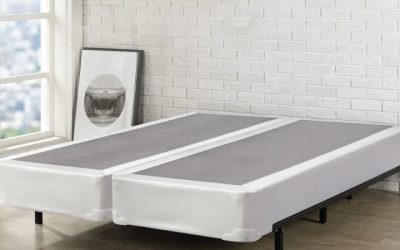
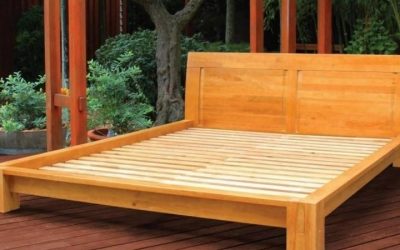
Without a box spring, the support comes from a platform bed or a slatted foundation, and the two differ in surface. A platform offers a solid or closely slatted deck, while a slatted foundation sits on a frame, so choose based on your bed, since both can satisfy a no-box-spring mattress if the surface is firm and evenly supported.
Match the support to the mattress rules, since a solid platform suits most foam beds while a slatted base must have close enough slats. A platform with a solid top needs no foundation, so confirm what you have, because a bed frame with only rails and no deck still needs a foundation or slats added to support the mattress properly.
The support surface also affects feel and airflow, since a solid platform traps less airflow than spaced slats under a foam bed. Weigh the two, because closely spaced slats allow some airflow while meeting support rules, whereas a fully solid platform maximizes support but may hold more heat under a foam mattress over a warm night.
Slat Spacing Can Affect Warranty Support
If you use a slatted base, the slat spacing can decide whether the warranty holds, since wide gaps let a mattress sag. Many foam and hybrid makers require slats within a few inches, so check the gap, because a mattress approved for slats still needs them closely spaced, and slats set too far apart can void the support the warranty requires.
Measure the slat gaps on your frame against the maker’s limit before relying on it, since the rule is specific. If the gaps exceed roughly three inches, add a bunkie board or slat cover, because a mattress that is fine on close slats can dip between widely spaced ones, and that sag is rarely covered as a defect under the warranty.
Center support matters too, since a Queen base needs a center leg or rail to carry the mattress and sleepers. Confirm the frame adds center support, because a Queen mattress spanning only perimeter rails flexes in the middle, and the maker’s support rule usually assumes a center leg is present under a Queen-and-up size without a box spring.
Measure Total Bed Height Without a Box Spring
Skipping a box spring lowers the bed, so measure the total height to be sure it still suits you. The mattresses here run 10 to 12 inches, so on a platform the bed sits lower than it would on a box spring, which means the finished height is the mattress plus the platform or slats rather than mattress plus a tall foundation.
Decide the height you want, since a lower bed suits some users while others prefer a higher surface to sit and rise from. Add the mattress to the platform or frame deck, because the real height is that stack, and a bed that feels too low without a box spring can be raised with a taller frame rather than adding a box spring back.
Remember a box spring is one way to add height, but not the only way, so you can skip it and still adjust. A low platform plus a thick mattress can reach a comfortable height, so plan the stack, because the goal is the right finished height with proper support, which a platform or slatted foundation can provide without a box spring.
Top Picks and Verified Options
These four are current Queen mattresses compared on their stated support rules, construction, and height; only the Nectar lists an explicit no-box-spring rule, so the others are candidates pending model-level warranty confirmation, and you should verify each maker’s foundation requirement before relying on it.
| Product | Best For | Key Spec | Watch Out For |
|---|---|---|---|
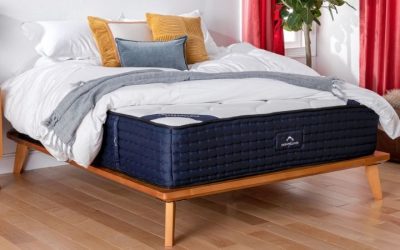
| Nectar Classic Memory Foam | Verified no-box-spring option | Queen 12 in; platform/slats/foundation accepted; no box spring | Confirm slat spacing limit |
| IKEA ASBYGDA | Affordable memory-foam candidate | Queen; memory foam | Confirm foundation rule |
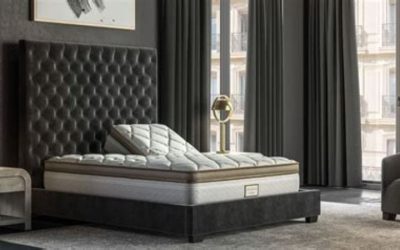
| IKEA AKREHAMN | Midrange foam candidate | Queen; memory foam | Confirm foundation rule |
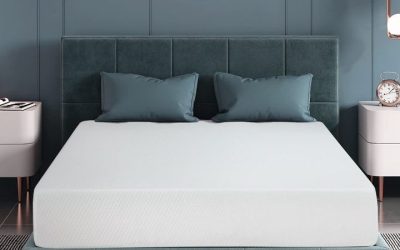
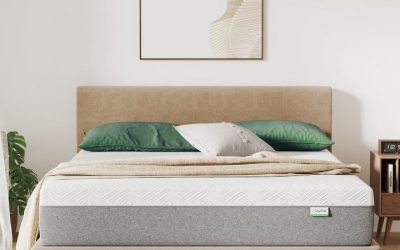
| Zinus Original Green Tea 10 in | Bed-in-a-box candidate | Queen 10 in; memory foam | Confirm foundation rule |
Best Verified No-Box-Spring Option – Nectar Classic Queen
The Nectar Classic is the pick when you want a mattress that explicitly states no box spring is required. The Queen lists a 12-inch height and accepts a platform, slats, or a foundation, so its support rule is published and clear, which makes it the only option here with a verified no-box-spring requirement to rely on confidently.
The explicit support rule is the standout, letting you pair it with a platform or closely slatted base without guessing, and the 12-inch build is substantial. It reads as the pick when certainty matters, so it suits a buyer who wants the maker’s written rule rather than an assumption, provided the base meets the slat-spacing requirement.
The catch is that even an approved base must meet the slat-spacing rule, so confirm your slats are close enough for the warranty. Add a center support for the Queen size, since a 12-inch mattress and sleepers need backing across the span, and check the gap, because wide slats can void support even on a no-box-spring mattress like this.
Affordable Memory-Foam Candidate – IKEA ASBYGDA
The IKEA ASBYGDA is the budget candidate for a Queen memory-foam mattress used without a box spring. It lists memory foam in Queen at the lowest price here, so it is an affordable starting point, but its exact foundation rule needs model-level confirmation, which is why it reads as a candidate rather than a verified option.
The low price is the draw, making it an accessible memory-foam choice for a platform or slatted base in a budget setup. It reads as the affordable candidate, so it suits a buyer watching cost, provided you confirm IKEA’s stated support surface for the model, since the warranty rule, not the foam type, decides what base it may sit on.
The catch is that its foundation requirement is not fully verified here, so check the product’s own support terms before relying on it. Confirm the approved surface and slat spacing, because assuming a budget foam mattress needs no support can void coverage, and the maker’s written rule is what determines the base this Queen mattress requires.
Midrange Foam Candidate – IKEA AKREHAMN
The IKEA AKREHAMN is a midrange candidate stepping up from the ASBYGDA for a Queen foam mattress without a box spring. It lists memory foam in Queen at a higher price than the ASBYGDA, so it offers a step up in the IKEA range, with its exact foundation rule again needing model-level confirmation before you rely on it.
The midrange position is the draw, sitting between the budget ASBYGDA and pricier brands while keeping the IKEA ecosystem. It reads as the midrange candidate, so it suits a buyer wanting a little more than entry level, provided you confirm the support surface IKEA specifies, since the foundation rule, not the price tier, sets the base it needs.
The catch, as with the ASBYGDA, is that the foundation requirement is not verified here, so read the model’s own terms first. Confirm the approved base and slat spacing, because two IKEA foam mattresses can carry different support rules, and the written requirement is what keeps the warranty valid without a box spring underneath it.
Bed-in-a-Box Candidate – Zinus Original Green Tea 10 in
The Zinus Original Green Tea is the bed-in-a-box candidate for a Queen memory-foam mattress used without a box spring. The selected Queen variant lists a 10-inch height and memory foam, so it is a compact-profile, shippable option, with its exact foundation rule needing model-level confirmation before you count on skipping a box spring.
The bed-in-a-box format and 10-inch profile are the draw, shipping compressed and suiting a platform or slatted base in a simple setup. It reads as the shippable candidate, so it suits a buyer wanting easy delivery, provided you confirm Zinus’s stated support surface, since the warranty rule decides the base rather than the mattress being foam.
The catch is that the 10-inch profile sits low on a platform, and the foundation rule is not verified here, so check both. Confirm the approved base and the finished height, because a thin mattress on a low platform can be lower than expected, and the maker’s support rule is what the warranty depends on without a box spring beneath it.
Frequently Asked Questions
These answers cover what buyers ask most about skipping a box spring, from whether a Queen mattress really needs one, to what support it does need, how slat spacing affects the warranty, and how low the bed sits once there is no box spring in the stack beneath the mattress in the bed at all.
Does a Queen mattress need a box spring?
Not necessarily, since many modern mattresses accept a platform, slats, or a foundation instead of a traditional box spring. The Nectar Classic here explicitly lists no box spring required, so it is optional for that model, but the mattress still needs proper support, which is the real requirement rather than a box spring specifically.
The answer depends on the maker’s stated rule, not on the mattress being foam, so read the model’s own terms. Not every memory foam mattress skips a box spring, so confirm the requirement, because assuming one does can void the warranty if the maker actually required a particular supporting surface under that specific mattress model.
Where a box spring is optional, a platform or closely slatted base provides the support instead, so you have options. Choose the base that meets the rule, because the point is proper, even support rather than the box spring itself, and a platform or foundation can satisfy a no-box-spring mattress as well as a box spring would have.
What support does a mattress need without a box spring?
It needs a firm, even surface: a solid platform, closely spaced slats, or an approved foundation, depending on the maker’s rule. The surface must support the mattress across its span, so match it to the terms, since a mattress skipping a box spring still requires a base that holds it flat without sagging between gaps or rails.
Slat spacing is the key detail, since wide gaps let a mattress dip and can void support under the warranty. Keep slats within the maker’s limit, often a few inches, so the mattress is backed evenly, because slats set too far apart cause a sag that the warranty rarely covers, even on a mattress approved for a slatted base.
Center support matters for a Queen, since the span needs a center leg or rail to carry the mattress and sleepers. Confirm the frame adds one, because a Queen mattress on only perimeter rails flexes in the middle, and the maker’s support rule generally assumes a center leg is present under a Queen size without a box spring beneath it.
How does slat spacing affect the warranty?
Many makers require slats within a few inches, and gaps wider than that can void the support the warranty assumes. A mattress approved for slats still needs them closely spaced, so check the gap, because slats set too far apart let the mattress dip between them, and that sag is usually treated as misuse rather than a covered defect.
Measure your frame’s slat gaps against the maker’s stated limit before relying on a slatted base for a no-box-spring mattress. If the gaps exceed roughly three inches, add a bunkie board or slat cover, because that bridges the spacing, and keeping the slats within the limit protects both the mattress and the warranty over the long term.
Center support is part of the same rule for a Queen, since the maker’s spacing limit assumes an evenly backed surface. Confirm a center leg is present, because a Queen base without center support can sag in the middle even with close slats, and the warranty’s support assumption covers both the spacing and the center backing together.
How low will the bed sit without a box spring?
Lower than with one, since a box spring adds several inches that a platform or slatted base does not. The mattresses here run 10 to 12 inches, so on a platform the finished height is the mattress plus the deck, which sits lower than the same mattress on a tall foundation or a traditional box spring would place it in the room.
Decide the height you want, since a lower bed suits some users while others prefer a higher surface to sit and rise from. Add the mattress to the platform or frame deck, because that stack is the real height, and a bed that feels too low without a box spring can be raised with a taller frame rather than adding a box spring back in.
Remember you can adjust height without a box spring, since a taller platform or a thicker mattress raises the surface. A low platform plus a thick mattress can reach a comfortable height, so plan the stack, because the goal is the right finished height with proper support, which a platform or foundation provides without a box spring at all.
Final Thoughts
Choosing a queen mattress without box spring comes down to the maker’s stated support rule, the base that meets it, the slat spacing, and the bed height. The Nectar Classic is the only verified no-box-spring option here, while the IKEA and Zinus foam mattresses are candidates pending their rules, so confirm each maker’s requirement first.