A single wardrobe is not a fixed size in the US market, so the term covers everything from a slim 16-inch cabinet to a 32-inch two-door unit. This guide compares four current wardrobes by their actual width and usable hanging depth, so you choose a narrow piece that genuinely fits a small bedroom.
As an Amazon Associate we earn from qualifying purchases.
By KK Home Furnishings Editorial Team
How to Choose a Single Wardrobe
A single wardrobe should be chosen by measured width and internal depth, not by the label, since there is no standard single size. Door style and anchoring matter too. These four range from 15.75 to 32.44 inches wide and 18.75 to 24.5 inches deep, so start by measuring the wall and what you need to hang.
Start With Actual Width
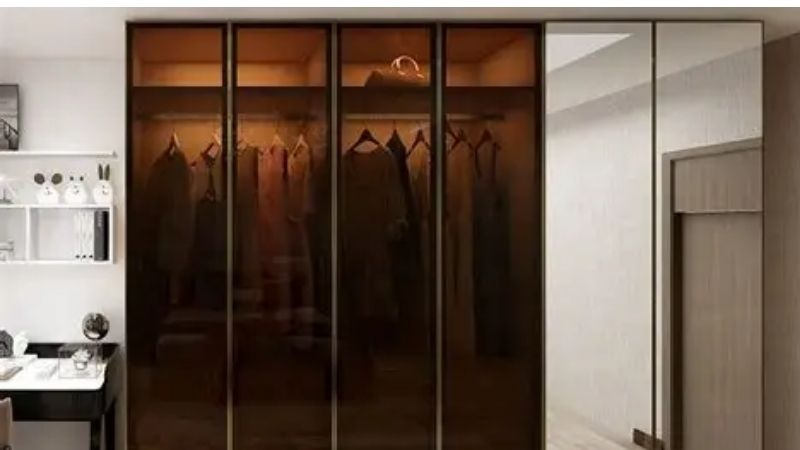
Width varies enormously under the single label, so measure rather than assume. The Winston Porter one-door is just 15.75 inches wide, the IKEA BRIMNES 30.75, the Prepac Elite 32 and the Sauder Cottage Road 32.44, meaning the narrowest is roughly 49 percent slimmer than the BRIMNES across the front.
Match width to the gap you have. A 15.75-inch cabinet slots into an alcove or beside a bed where wider units will not go, while a 32-inch piece needs a proper clear wall. Measure the opening and leave a little room on each side for trim and the doors, before trusting any single dimension on a listing.
Note that two of these are nearly identical in width: the Prepac at 32 inches and the Cottage Road at 32.44 differ by only about 1.4 percent, so neither is meaningfully narrower. Compare such close pairs on depth, height and features instead, since a sub-half-inch gap is not something you will notice in the room.
Check Internal Hanging Depth
Internal depth decides whether clothes hang square, and it is not the same as the exterior figure. The Prepac Elite lists about 18.75 inches of internal depth inside a 24.5-inch exterior, while the Cottage Road’s hanging opening is around 19.5 inches deep, enough to keep a shirt from pressing against the door.
Aim for roughly 19 to 20 inches of internal depth for comfortable hanging. The slim Winston Porter, at 20.47 inches exterior depth, trades some interior room for its narrow front, which suits light wardrobes but can crowd bulky coats. Read the internal figure where published, since the cabinet walls take up part of the stated depth.
Depth also drives footprint, and a deeper cabinet projects further into a small room even if it is narrow. The 24.5-inch Prepac hangs clothes well but reaches further into the floor than the shallower options, so weigh the roomier hanging against the walkway you keep when the whole point is saving space.
One Door vs Two Doors in Tight Rooms
Door count affects access and swing, but it does not automatically make a wardrobe smaller or safer. The Winston Porter is a true one-door unit, while the BRIMNES, Prepac and Cottage Road use two doors; a one-door model can still be deep, and a two-door unit can still be narrow, as the BRIMNES shows.
Think about the swing. A single wide door needs clear floor to open fully, which can be awkward beside a bed, whereas two narrower doors each sweep less space. In a tight room, map where the doors open before buying, since a cabinet that fits the wall but cannot open fully is a daily frustration.
Do not read a one-door design as inherently safer or more compact; those depend on the unit’s dimensions and anchoring, not the door count. The Winston Porter is the narrowest here yet lists its tip-over restraint as not included, which matters far more for safety than how many doors it has.
Verify Wall Restraints Before Use
Anchoring is essential on a tall wardrobe, and provision varies between these models. The BRIMNES includes a safety fitting, the Cottage Road has anti-tip anchoring hardware, the Prepac’s restraint was not verified in the data available, and the Winston Porter’s listing explicitly states a tip-over restraint is not included.
A mandatory federal stability standard based on ASTM F2057-23 (16 CFR 1261) covers many such clothing storage units made from September 1, 2023 [CPSC, 2023], so anchoring is not optional. Where a unit omits restraint hardware, buy a suitable anti-tip kit separately rather than skipping the step on a narrow, tall cabinet.
Because the Winston Porter omits a restraint and is the tallest-looking slim unit, it is not a safe default choice; fit your own anchor before use. Also note that a published rod or shelf load, like the Winston’s 50 and 60-pound figures, describes those parts only, not the whole cabinet’s capacity or stability.
Top Picks
These four cover the realistic span of single wardrobe buyers, from an ultra-narrow one-door cabinet to deeper two-door units. Each lists at least two hard specs and its anchoring status; pricing runs across budget-to-mid to mid tiers, so confirm the current price, finish and included hardware before you order.
| Product | Best For | Key Spec | Watch Out For |
|---|---|---|---|
| IKEA BRIMNES | Best Overall | 30.75″ wide; safety fitting included | two doors, not a literal single door |
| Winston Porter 1-Door | Narrowest width | 15.75″ wide | no tip-over restraint included |
| Prepac Elite 32″ | Deeper hanger storage | 18.75″ internal depth | 24.5″ overall depth |
| Sauder Cottage Road | Hanging + drawer storage | 28.125″ rod + lower drawer | only 59.17″ tall |
IKEA BRIMNES — Best Overall
The BRIMNES leads for balanced narrow storage with safety included. At 30.75 inches wide, 19.625 deep and 74.75 high, it offers a rail IKEA estimates holds about 20 shirts plus an inner shelf, and it ships with a restraint fitting for wall securing. It sits in the budget-to-mid tier.
Its slim body fits small or shared bedrooms while still providing a full-height rail and a shelf, and the included safety fitting means anchoring is covered out of the box. The two hinged doors need swing room, and flat-pack assembly takes an evening, but the result is a dependable, affordable narrow wardrobe.
The caveats are that it is a two-door unit rather than a literal single door, and its single rail and shelf fill quickly. The particleboard core dislikes damp, so keep it off a wet wall, and fit the included wall restraint during assembly rather than leaving it, since the shirt estimate is IKEA’s own figure.
Winston Porter 1-Door — Best for the Narrowest Width
The Winston Porter is the pick when the gap is genuinely tiny. At just 15.75 inches wide by 20.47 deep by 70.87 high, this true one-door wardrobe slots into an alcove or beside a bed, with published rod and shelf loads of 50 and 60 pounds. It sits in the budget-to-mid tier.
Its narrow front is the whole point: it fits where nothing else will, making it useful in a box room or as a supplementary hanging cabinet. The single door opens the full interior at once, and the slim footprint leaves the rest of a small room workable for other furniture.
The important caution is safety: the listing states a tip-over restraint is not included, so buy and fit a suitable anti-tip kit before use, which is why it is not a safe overall default. Treat the 50-pound rod rating as a rod limit, not a whole-cabinet figure, and anchor it despite its narrow profile.
Prepac Elite 32″ — Best for Deeper Hanger Storage
The Prepac Elite suits buyers who want roomier hanging. At 32 inches wide by 24.5 deep by 65 high, it offers about 18.75 inches of internal depth with two fixed shelves and a hanging rod behind two doors. It sits in the budget-to-mid tier and ships ready to assemble.
The deeper interior lets coats and jackets hang square without squashing, which the slimmer units struggle with, and the twin shelves add folded storage. For a bedroom where hanging comfort matters more than the smallest possible footprint, that extra internal depth is a genuine, practical advantage over narrower cabinets.
The trade-off is its 24.5-inch exterior depth, the deepest here, which projects into the room even though the width is moderate. Its restraint hardware was not verified in the data available, so check the product page and fit an anti-tip anchor regardless, as the stability standard expects for a tall wardrobe.
Sauder Cottage Road — Best for Hanging Plus Drawer Storage
The Cottage Road adds a drawer to the mix. At 32.44 inches wide by 21.73 deep by 59.17 high, it pairs a hanging opening around 28.75 by 19.5 by 43.25 inches and a roughly 28-inch rod with a lower drawer near 26.75 by 15 by 6.375, plus anti-tip hardware. It sits in the mid tier.
The lower drawer handles folded basics that a rod-only wardrobe cannot, and the hanging opening is deep enough for shirts and light coats. Its lower 59-inch height suits a room with a sloped ceiling or under a window, where taller cabinets would not fit against the wall.
The limits are its modest height, which caps hanging length for long coats, and its near-tie width with the Prepac, so do not expect it to feel narrower. It ships ready to assemble, so plan an evening to build, and fit the included anti-tip hardware during setup to secure it to the wall.
Frequently Asked Questions
Single wardrobes raise questions mostly about sizing and safety. The answers below use the measured specs of these four units and avoid absolute rules, so you can test them against your own alcove, wall or small bedroom before deciding which narrow cabinet actually fits and stores what you need.
What size is a single wardrobe?
There is no standard single size in the US, which is why these four range from 15.75 to 32.44 inches wide. The term is a loose description rather than a fixed dimension, so a single wardrobe can be an ultra-narrow one-door cabinet or a moderately wide two-door unit.
Because the label does not pin down a width, you have to measure both the product and your space. A listing calling something a single wardrobe tells you little about whether it fits your alcove, so compare the published width and depth against your wall rather than trusting the category name to mean one size.
In practice, decide the maximum width and depth your spot allows, then shop within that envelope. Treating single as a rough guide, not a measurement, avoids the common mistake of assuming two wardrobes labeled the same way will occupy the same floor, when in reality they can differ by more than a foot.
Is a one-door wardrobe better for a small bedroom?
Not automatically. A one-door wardrobe like the Winston Porter can be very narrow, but door count alone does not make a unit smaller or safer, since a one-door model can still be deep and a two-door unit can still be slim, as the BRIMNES shows at 30.75 inches wide.
What matters for a small room is the overall footprint and how the doors open. A single wide door needs clear floor to swing, which can be awkward beside a bed, while two narrower doors each sweep less space. Map the swing and the footprint rather than counting doors when judging fit.
Safety and depth matter more than door style, so check the width, the internal depth and whether anchoring hardware is included. A one-door cabinet that omits a tip-over restraint, for instance, is not the better small-room choice despite its slim front, so weigh the whole package, not just the number of doors.
How deep should a wardrobe be for hangers?
Aim for roughly 19 to 20 inches of internal depth so a shirt or jacket hangs square without pressing the door. The Prepac offers about 18.75 inches internally and the Cottage Road around 19.5, which is comfortable for most clothes, while much shallower cabinets force garments to angle or bunch.
Internal depth is not the same as the exterior figure, since the cabinet walls and door take up part of the stated dimension. A unit with a 24.5-inch exterior may hang clothes no better than one a few inches shallower, so look for the published interior depth where a maker provides it.
Balance hanging comfort against footprint in a small room, since a deeper cabinet projects further into the floor. If coats are the priority, lean toward the deeper interior; if the clothes are mostly shirts and the room is tight, a slightly shallower wardrobe that keeps the walkway clear can be the better trade.
Does a narrow wardrobe still need wall anchoring?
Yes. A narrow wardrobe is still tall and top-heavy once loaded, so anchoring remains essential. A mandatory federal stability standard based on ASTM F2057-23 (16 CFR 1261) covers many such clothing storage units made from September 1, 2023 onward [CPSC, 2023].
Being slim does not make a cabinet stable; a tall, narrow unit can actually tip more easily if weight shifts or a door is pulled. The BRIMNES includes a fitting and the Cottage Road has anti-tip hardware, while the Winston Porter’s listing states a restraint is not included, so plan to add one.
Fix the anchor into a stud or a rated drywall anchor during setup, following the manual rather than assuming the unit’s narrow profile keeps it safe. If a model omits the hardware, buy a suitable kit, since an unsecured wardrobe is exactly the hazard the stability standard was written to prevent in homes with children.
Final Thoughts
The best single wardrobe is the one whose measured width and internal depth fit your space and clothes, not the label. Measure the gap, check hanging depth, weigh the door swing, and confirm anchoring or add it. On that basis the BRIMNES leads, with the Winston Porter, Prepac and Cottage Road close behind.