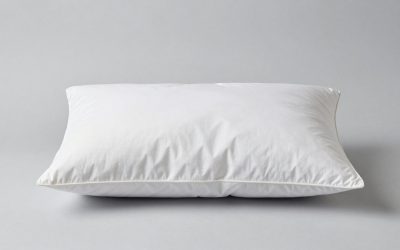
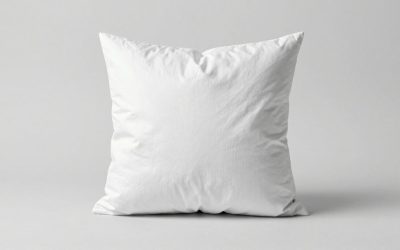
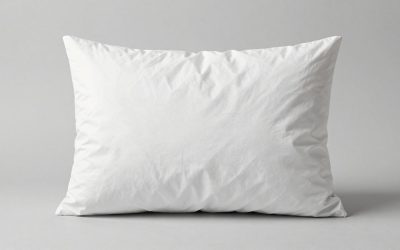
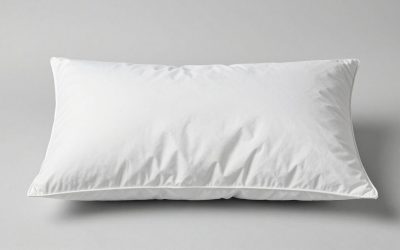
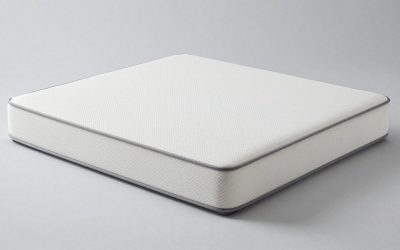
An insert gives a duvet its warmth and loft; a removable cover supplies the washable, decorative outer layer. So what is a duvet insert in practical terms? It is the filled part of a two-piece bedding system, much like a pillow inside a pillowcase. The insert and cover are often sold separately.
As an Amazon Associate we earn from qualifying purchases.
By KK Home Furnishings Editorial Team
What Is a Duvet Insert and How Does It Fit the Bed?
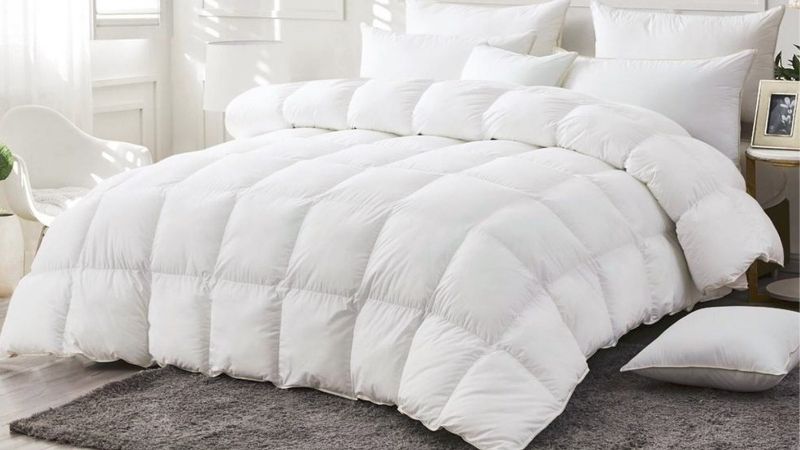
A duvet insert is not an extra sheet, mattress topper, or empty fabric envelope. It is the filled, quilted part of a top-of-bed system. The cover wraps around it like a protective shell. Understanding the separate jobs of insert, cover, and complete bedding set prevents the most common ordering mistake: buying the decorative cover and expecting a filled comforter to arrive inside it [The Company Store; Parachute, accessed October 2026].
| Item or situation | What it actually is | What you need | Watch out for |
|---|---|---|---|
| Duvet insert | Filled insulating bedding layer | A compatible cover if you want a removable outer layer | Usually a separate purchase |
| Duvet cover | Removable fabric envelope with a closure | A filled insert for a lofty duvet setup | A cover alone has no insulating fill |
| Duvet cover set | Cover with matching shams in some collections | Check the box contents for an insert | “Set” does not necessarily mean filled bedding |
| Decorative comforter | Filled cover commonly used on its own | May not need an additional duvet cover | Some comforters also work as inserts |
| Corner ties and loops | Attachments that help hold two layers together | Compatible tie or loop placement | Not all brands include matching hardware |
| Seasonal duvet change | Swap insert warmth but keep the same cover | A second appropriately sized insert | Warmth labels differ across manufacturers |
Understand the Three Pieces: Insert, Cover, and Set
The insert carries the filling in stitched compartments, so it supplies most of the system’s thickness and insulation. A duvet cover is a separate textile bag, generally with buttons, a zipper, or another opening along one edge. The cover determines what touches the sleeper and what color or pattern appears on the bed. Neither piece is inherently better; each has a different task. Parachute describes inserts as quilted, filled bedding and covers as the removable outer layer [Parachute, September 2026].
Retail labels are not always consistent. A listing for a duvet or comforter might describe the filled insert, while a “duvet set” may mean a cover plus pillow shams with no insert at all. The Company Store confirms that at least one of its duvet cover sets contains the cover and matching shams but excludes the comforter [The Company Store, May 2026]. Check the included-items line and product photos with the cover opened, rather than assuming that the most prominent lifestyle image shows everything you will receive.
Look Inside: Filling, Outer Shell, and Stitching
An insert normally has an outer fabric shell surrounding down, feathers, polyester fiber, or another insulating fill. Quilting or internal baffles help keep that fill distributed rather than collecting at one end. A down-filled insert is not automatically warm enough for every winter, and a polyester-filled insert is not automatically cool. Manufacturers offer several warmth levels for similar materials; the specific construction, filling amount, and room conditions influence the result [IKEA US, accessed October 2026].
Actual U.S. listings illustrate why the label matters. IKEA identifies its FJÄLLBRÄCKA warm insert as a cotton shell with a filling of 75% duck down and 25% feathers; its SÄFFEROT warm insert uses recycled polyester hollow fibers [IKEA US, accessed October 2026]. Those are descriptions of two named models, not general rules for all inserts. For a first purchase, read the full materials panel, warmth designation, and care instructions before deciding whether the filling sounds appealing.
Measure the Insert and Cover as a Matching Pair
An insert works best when the cover’s actual width and length fit it closely enough that the corners stay supported. Do not assume that two items labeled Full/Queen will have matching finished dimensions. The Company Store publishes a 90 by 96 inch Full/Queen insert in its sizing guide, but that number belongs to its collection and is not a U.S. industry-wide requirement [The Company Store, accessed October 2026]. Compare the measurements for the exact two items you intend to combine.
Check attachment points as well as size. The Company Store recommends corner loops on inserts that work with ties in a cover, while Brooklinen describes a cover installation method using interior ties only when the insert offers matching loops [The Company Store; Brooklinen, accessed October 2026]. A little difference in size can be manageable, but a substantially undersized insert can leave empty corners and an oversized one can bunch. Treat the seller’s fit guidance as more important than a familiar bed-size label.
Adjust for Your Situation: Six Duvet Insert Decisions
The most useful answer changes with the bedding you already own. First determine whether you need the filled interior, a removable outer cover, or both. Next think about nighttime warmth, how securely the pieces will stay aligned, and who will be laundering the cover. These six practical situations show when a duvet insert is the missing piece and when buying another one would solve the wrong problem.
Situation 1: You Have a Duvet Cover but No Filled Insert
If your new bedding package contains only a cover, you still need something filled to create the familiar lofty duvet. Open the package and find the closure: buttons or a zipper identify the empty envelope. Read the label to learn its finished dimensions and whether it has interior ties. Then find an insert with compatible measurements and appropriate fill for your bedroom. Do not choose solely from a picture of a made bed, because the seller may have styled the empty cover over an insert sold separately.
Before buying, check what comes in the box, the insert’s own dimensions, and its stated care method. The Company Store has documented a cover set that contains a cover and shams without a filled comforter, a clear illustration of this distinction [The Company Store, May 2026]. If you already own a suitable plain comforter, the cover may fit it without another purchase. Confirm there are no prominent buttons or trims likely to distort the cover and that the dimensions are reasonably compatible.
Situation 2: Your Existing Insert Is Fine but the Bedroom Needs a New Look
When the filled bedding still lofts evenly and suits your sleeping temperature, changing only its cover is usually the more direct solution. A fresh cotton percale, sateen, or linen cover can alter the texture and color you notice on the bed without requiring new insulation. Remove the old cover, check for damage or stains on the insert, and measure the insert before ordering another fabric shell. Changing the cover addresses appearance and surface feel; it does not repair a flattened or underfilled insert.
Check closure placement, corner ties, and care labels in the replacement cover. A cover that shrinks beyond its published care allowances or lacks anchors compatible with your insert can fit poorly even though the nominal bed size seems right. Keep the insert’s existing warmth characteristics in mind: a new cover can influence surface feel, but an entirely different fabric is not a guaranteed remedy for an excessively warm or cold interior. This is a styling change, not the same decision as choosing insulation.
Situation 3: You Tend to Feel Too Warm Under Thick Bedding
Choose the insert’s warmth level before obsessing over whether its shell is cotton or polyester. IKEA’s U.S. duvet guide organizes options from cool and light warm through warm and extra warm, making warmth a selectable product characteristic rather than an automatic property of one filling category [IKEA US, accessed October 2026]. A lighter insert with adequate coverage may feel less overwhelming than a heavily filled one; your room temperature, pajamas, other blankets, and individual comfort still matter.
Look for a light or cool designation supported by the exact product details, then pair the insert with a cover you find comfortable against your skin. If you routinely wake up overheated, try removing an unnecessary top blanket before spending money on a replacement. Avoid claims that a certain fiber “never traps heat” or that a marketed cooling insert will solve every sleep concern. The material and warmth label help narrow choices, but they are not measured guarantees for every sleeper.
Situation 4: You Sleep in a Chilly Room and Need More Insulation
A colder room calls for choosing a warmer insert rather than simply adding a thicker-looking cover. Check the maker’s warmth scale for the specific range. IKEA offers separate warm and extra-warm options in its duvet assortment, including down-and-feather designs; it does not follow that every item labeled “extra warm” delivers the same insulation across brands [IKEA US, accessed October 2026]. The shell and stitched chamber design influence loft, while the listed fill and warmth category tell you what the maker intends it to do.
Before changing the insert, inspect the bed for gaps that let your feet or shoulders become uncovered. An insert of the correct dimensions should distribute warmth across the sleeping area, whereas a narrow one can leave cold edges even with substantial filling. If your current insert is in good condition, you could use a separate lightweight blanket when needed rather than buy a new one immediately. That choice affects how you layer a bed; this guide focuses on choosing the insert itself.
Situation 5: The Insert Keeps Sliding or Forming Lumps Inside the Cover
Shifting can come from a size mismatch, loose corner anchors, or fill that is already uneven inside the insert. Open the cover and assess these causes separately. If the insert lies flat outside the cover but slides once it is inside, inspect the corner ties and loops. If the fill remains clumped even without the cover, look for broken quilting or manufacturer care recommendations instead. Tighter ties cannot repair damaged interior chambers, and vigorous shaking will not solve a large sizing mismatch.
Pottery Barn advises laying the cover out, aligning the insert with its edges, securing compatible corner ties, and shaking the filled cover to distribute it evenly [Pottery Barn, accessed October 2026]. Brooklinen describes turning the cover inside out, grasping corresponding corners, fastening available ties, and pulling the cover over the insert [Brooklinen, accessed October 2026]. Follow the fastener design you actually have; never pierce a fill shell with safety pins or force a loose attachment that could rip the fabric.
Situation 6: You Want Easier Routine Cleaning in a Busy Household
A removable cover can be especially practical where pets climb onto the bed, children spill drinks, or the outer textile needs frequent cleaning. You can usually remove and wash a care-approved cover without putting the bulky filled insert through a full washer cycle each time. That is a major purpose of the two-piece system, not evidence that the insert never needs cleaning. The insert still requires care according to its own label, and spills that reach the fill should be treated promptly using the appropriate instructions.
Keep the cleaning directions of both pieces separate. A cotton duvet cover and a down-filled insert may have very different approved water temperatures, drum-space requirements, and drying methods. IKEA’s U.S. guidance emphasizes checking the duvet’s materials and care needs, while Brooklinen directs customers to remove the insert before washing a cover [IKEA US; Brooklinen, accessed October 2026]. If your home machine cannot safely accommodate bulky filled bedding, plan ahead for a suitable commercial machine or professional service when the insert eventually needs attention.
Frequently Asked Questions
A few details remain after you know how the two pieces work: whether a cover is essential, what bedding belongs below the insert, how quilting affects the fill, and whether you can combine pieces without matching attachments. These answers address common exceptions without turning the topic into another comforter comparison.
Can You Sleep With a Duvet Insert Without a Cover?
Yes, physically, but it is generally more practical to use a removable cover when the insert is designed for one. A cover protects the exterior from everyday dirt and lets you wash the fabric touching the sleeper without laundering the bulky fill on every occasion. Some filled comforters are explicitly designed for use on their own, so distinguish that product type from a plain insert intended to sit inside a separate shell.
If you prefer using a bare insert, read its care label and check whether the shell feels suitable against skin and can withstand the cleaning it may need. A thin, white insert intended to be covered may show marks sooner than a decorative comforter. When the seller describes the item as an insert-only product, assume the protective cover is a separate decision rather than a free accessory hidden in the package.
Do You Need a Top Sheet Under a Duvet Insert?
No. A top sheet is optional when you use a duvet insert inside a washable cover. Some people like the simplicity of sleeping directly beneath the cover; others want a separate top sheet so the removable cover has less direct skin contact. Neither arrangement changes what the insert is, and neither is automatically the right choice for every household.
The Company Store notes that an insert-and-cover system can replace a top sheet for simpler bed making [The Company Store, accessed October 2026]. If you skip that sheet, pay closer attention to the duvet cover’s care requirements and your preferred washing schedule. If you keep it, make sure the added layer does not create an uncomfortably hot combination. The decision is about routine and surface comfort, not whether the insert can function.
What Is the Difference Between Baffle-Box and Sewn-Through Construction?
Baffle-box construction uses fabric walls between compartments to give filling more space to loft. Sewn-through construction joins the upper and lower outer fabrics along the stitching lines, creating flatter seams. Both help keep filling distributed, but they create different shapes and may suit different warmth needs. The Company Store describes baffle-box and sewn-through designs as distinct construction choices in its duvet guidance [The Company Store, accessed October 2026].
Do not read those terms as a durability guarantee. A well-made sewn-through insert can be appropriate for someone who prefers less puffiness, while a baffle design may help maintain loft in a thicker insert. The actual fill, quality of stitching, care instructions, and manufacturer warranty still matter. Construction alone cannot tell you the exact warmth of an unidentified insert or whether it can be washed in your home machine.
What If the Insert Has No Corner Loops?
You may still be able to use a duvet cover, but you cannot rely on tie-and-loop anchors that the insert does not have. First, compare dimensions; if both items align when laid flat, the cover’s normal closure may be enough for some households. Expect that the insert might need occasional repositioning, especially if sleepers pull the duvet in opposite directions. Some covers use additional attachments, but verify their intended compatibility before using them.
Do not insert safety pins through a filled shell or make holes for improvised anchors. That can damage quilting, release fibers, and create loose hard objects inside bedding. If an exact match matters to you, select an insert with existing loops and a cover designed to fasten to them. When you already own a loop-free insert, a cover that stays aligned without relying on ties is often a simpler starting point than modifying the bedding.
Final Thoughts
The simplest answer to what is a duvet insert is a filled, insulating bedding layer made to sit inside a removable cover. Buy the insert for warmth and loft, the cover for surface comfort and style, and check both items’ measurements and attachment details. If you already own a suitable insert, you may need only a new cover.