Shopping for wooden bar stools means checking two things at once: that the wood is real where it matters, and that the seat height genuinely suits a bar rather than a counter. This roundup compares four verified stools with seat heights around 29 inches, plus one adjustable option, so you get the height right before the finish.
As an Amazon Associate we earn from qualifying purchases.
By KK Home Furnishings Editorial Team
How to Choose Wooden Bar Stools
Bar height and counter height are different, and a stool labelled wooden can still be the wrong one for your bar. Lock the seat height against the surface first, measure the actual underside rather than trusting a nominal label, keep material claims separate from fit, and weigh how firmly each spec is sourced.
Lock Seat Height to the Bar, Not the Label
Seat height is the gate every other feature sits behind. Nathan James guidance puts bar surfaces around 40 to 42 inches with a seat of 28 to 30 inches, and these stools land there: the Gracie at 29.5 inches, the DALFRED adjustable up to 29.125, the Boraam at 29 and the Winsome Satori at 28.9 inches.
Work from your own surface. Measure from the floor to the underside of the bar, not just the top, then aim for roughly 9 to 13 inches of clearance between the seat and that underside so knees and thighs fit. A thick apron under the counter eats into that gap, which a nominal bar-stool label never accounts for.
Do not rank these on height, because they are effectively tied. All four bar-height endpoints sit within about two percent of each other, so no stool is meaningfully taller, and seat height here is an eligibility gate rather than a competitive axis. Use it to confirm fit, then let the back, material and build decide.
Measure the Room and Spacing Before Buying
Fit is about more than one stool. Nathan James suggests allowing roughly 6 to 10 inches between stools, and the Gracie is 17.3 inches wide, so three of them along a bar need well over four and a half feet of clear run once spacing is included, which is easy to underestimate from a product photo alone.
Measure the usable bar length, then divide by stool width plus spacing to see how many genuinely fit. Overcrowding a bar leaves elbows clashing and stools knocking, while too few looks sparse. Check depth too, since a stool with a back like the Gracie at 22.8 inches long projects further than a compact backless one.
Think about where stools sit when not in use. A backless stool tucks fully under a bar and disappears, which suits a small kitchen, while a back stops the stool sliding all the way in. Measure the overhang depth under your bar so you know whether a stool with a back will still tuck away between meals.
Separate Wood Claims From Structure
Wooden covers several constructions, so read the breakdown. The Winsome Satori is listed as solid wood, the IKEA DALFRED uses a solid birch frame, and the Nathan James Gracie combines solid wood with engineered wood plus fabric and foam, so the Gracie is wood-forward rather than an all-wood stool throughout its build.
Do not infer strength from the word wood. Only the DALFRED publishes a tested load in this group, at 220 pounds, and no equivalent figure is given in the same form for the others, so load cannot be used to rank these stools. Where a maker states a limit, respect it; where none exists, judge by build and use.
Match the surfaces to the kitchen. An all-wood saddle seat wipes clean instantly, which suits a bar that sees spills and children, while an upholstered seat and back like the Gracie’s is more comfortable for long sitting but needs more careful cleaning. Decide whether comfort or easy cleanup matters more at your bar.
Use Source Quality as a Gate
Not every spec here rests on the same footing. Three of these stools publish their height and materials on the manufacturer’s own pages, while the Boraam 94929’s core material and height come through a retailer listing, so its specs sit on a weaker source and should be treated as provisional rather than confirmed.
Let that shape where you place confidence. A manufacturer-stated seat height and tested load are a firmer basis for a purchase than retail copy, which is written to sell, so verify a seller-sourced figure on the brand’s own page before relying on it, especially for anything structural like height, capacity or assembly.
It also affects which stool should lead a shortlist. A seller-only spec is reason enough to keep a stool off the top recommendation even when the price looks attractive, since the data behind it has not been confirmed. Prices shift with finish and sales too, so check the current listing and tier before ordering.
Top Picks
Each stool below fills a clear role, with seat height, materials and any tested load drawn from the makers’ listings, current as of October 2026. Prices vary by finish and sale, so treat each as a tier and check the current figure. The table pairs the key spec with the main catch for each.
| Product | Best For | Key Spec | Watch Out For |
|---|---|---|---|
| Nathan James Gracie | Best for Back Support | 29.5 in seat; 38.6 in overall | Upholstery needs more care than wood |
| IKEA DALFRED | Best Adjustable Wooden Stool | 24.75-29.125 in; 220 lb tested | Backless; max height only just reaches bar range |
| Winsome Satori | Best Simple Saddle Seat | 28.9 in; solid wood | Backless and fixed height |
| Boraam 94929 | Best Basic 29-Inch Option | 29 in bar height; stated solid hardwood | Specs rest on a retailer source |
Nathan James Gracie: Best for Back Support
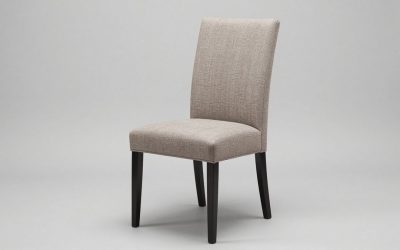
The Nathan James Gracie 23002 is the pick when comfort over a long sit matters. Its Bar Height variant seats at 29.5 inches with an overall size of 17.3 inches wide by 22.8 long by 38.6 tall, built from solid wood and engineered wood with a boucle fabric and foam seat, and it sits at the upper tier of this group.
It suits a bar where people linger over meals or work, since it is the only pick here with a supportive back and a cushioned seat. Measure the 17.3-inch width against your bar run, allowing roughly 6 to 10 inches between stools, and check the 29.5-inch seat gives 9 to 13 inches of clearance under your counter.
The catches are care and construction. Upholstered surfaces absorb spills and need more attention than a wipeable wood saddle seat, and the stool mixes solid wood with engineered wood plus fabric and foam, so it is not an all-wood build. The back also stops it tucking fully under a bar between uses.
IKEA DALFRED: Best Adjustable Wooden Stool
The IKEA DALFRED is the pick when the right height is uncertain. It adjusts from 24.75 to 29.125 inches, spanning most counter and bar seat heights, carries a manufacturer-tested load of 220 pounds, and is built with a solid birch frame in a black finish, sitting in the budget tier for a wooden stool of this flexibility.
It suits a kitchen where the bar height is nonstandard or you may move the stools to a different surface later, since the adjustment range covers both counter and bar use from one purchase. The 220-pound tested figure is the only published load here. Measure your underside and set the stool within the clearance band.
The catches are form and range. It is backless with a small round seat, so it suits perching more than long meals, and its maximum of 29.125 inches only just reaches typical bar height, which could leave a taller bar short on clearance. Confirm your measurement before assuming the top of the range will suit.
Winsome Satori: Best Simple Saddle Seat
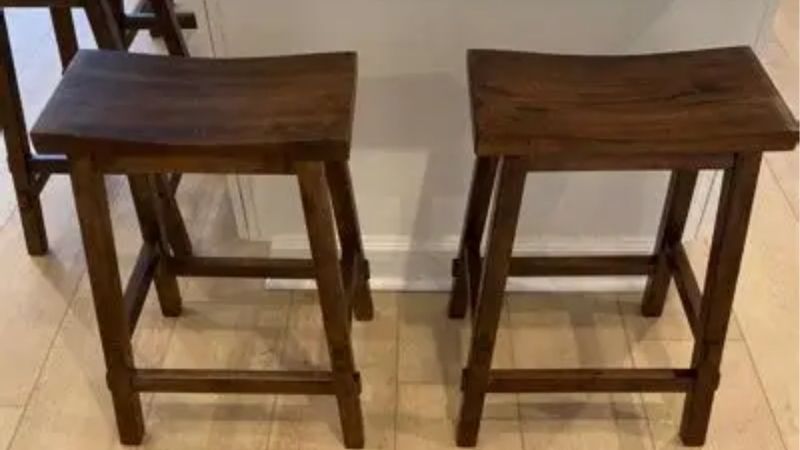
The Winsome Satori 94089 is the pick for straightforward solid wood. The 29-inch Walnut bar-stool variant measures 18 inches wide by 15.8 deep by 28.9 tall, is listed as solid wood construction, and sits in the budget tier, offering a classic saddle-style seat without upholstery or adjustment to complicate the purchase.
It suits a bar where a clean, wipeable wood seat and a simple shape matter more than cushioning, and solid wood construction means no veneer edges to chip. Measure the 18-inch width against your run with spacing, and confirm the 28.9-inch seat leaves 9 to 13 inches under your counter before you order a set.
The catches are the backless form and fixed height. With no back it suits shorter sits rather than long meals, and a fixed 28.9 inches offers no correction if your bar turns out lower or higher than standard, so the measurement has to be right first time. Check hardware tightness periodically as with any stool.
Boraam 94929: Best Basic 29-Inch Option
The Boraam 94929 is the straightforward 29-inch option. The listing states a 29-inch bar-height seat in a solid hardwood build with a black finish, placing it firmly in the bar-height band alongside the others, and it sits in the budget tier, making it the simplest route to a conventional wooden bar stool here.
It suits a buyer who wants a plain bar-height wooden stool without adjustment or upholstery, and a 29-inch seat sits comfortably in the middle of the 28-to-30-inch guidance for a 40-to-42-inch bar. Measure your underside clearance and the bar run, allowing spacing between stools, before settling on how many to buy.
The catch is sourcing: its core material and height currently come through a retailer listing rather than a manufacturer spec sheet, so those details are provisional and it should not anchor the shortlist. Verify them on the brand’s own page before relying on the solid hardwood claim or planning around the stated height.
Frequently Asked Questions
Buyers of wooden stools ask the same core questions, mostly about seat height, what wooden really means, adjustability and spacing. Each answer below leads with the direct reply, then adds the condition that changes it, so you can apply it to your own bar rather than a single standard that may not match your kitchen.
What seat height works for a 40- to 42-inch bar?
A seat between 28 and 30 inches is the manufacturer guidance used here, which is where all four of these bar-height options sit. Aim for roughly 9 to 13 inches of clearance between the seat and the underside of the bar so legs fit comfortably, and measure that underside rather than working from the counter top.
The apron thickness changes the answer. A bar with a deep apron under the surface reduces the usable gap, so a seat that works on paper can feel cramped in practice, which is why the underside measurement matters more than the nominal bar height. Subtract the seat height from the underside to check the real clearance.
If your bar falls outside that 40-to-42-inch range, adjust accordingly. A lower surface may need a counter-height seat nearer 24 to 26 inches, while a taller one could leave a fixed 29-inch stool short on clearance. An adjustable stool like the DALFRED reduces that risk when the surface height is unusual or uncertain.
Are wooden bar stools always solid wood?
No. Wooden can describe a stool that combines solid wood with engineered wood, veneer or upholstery, as the Nathan James Gracie does with solid and engineered wood plus fabric and foam, so the term covers a range of builds. Verify the material breakdown for the specific model rather than reading the category name.
Check which parts are solid, since that is what matters structurally. A solid frame with an engineered seat behaves differently from an all-solid stool at the joints and under repeated use, and upholstered surfaces add comfort but also cleaning. The Winsome Satori and the DALFRED’s birch frame are the more wood-forward builds here.
Do not read solid wood as a capacity claim either. Only one stool in this group publishes a tested load, so material alone tells you nothing reliable about how much weight a stool carries. Use published figures where they exist, and treat the wood description as a question of look, feel and repairability instead.
Can an adjustable stool work at both counter and bar height?
Often yes. The IKEA DALFRED adjusts from 24.75 to 29.125 inches, which spans much of the usual counter and bar seat-height bands, so one stool can serve a 36-inch counter at the low end and a bar at the top of its range, making it useful where the surface height is unusual or may change later.
The limitation is the top of the range. At 29.125 inches its maximum only just reaches typical bar height, so a taller bar could leave the clearance tighter than ideal, which is why the underside measurement should come before the purchase. Check that your required seat height sits comfortably inside the range, not at its edge.
Use it within its stated conditions. An adjustable mechanism should be set and secured as the instructions describe, and the published tested load applies to correct assembly and use, so check the fittings periodically. Adjustability reduces fit risk, but only when the range genuinely covers the height your surface needs.
How many stools fit along a bar?
Work it out from stool width plus spacing rather than guessing. Nathan James suggests adding roughly 6 to 10 inches between stools, and the Gracie measures 17.3 inches wide, so each place setting needs around 23 to 27 inches of bar run, which quickly limits how many will fit on a typical kitchen island.
Measure the usable length first, excluding any overhang that is blocked by walls, appliances or corners. Divide that by the per-stool allowance to get a realistic number, then round down rather than up. Crowding a bar leaves people bumping elbows and stools knocking together every time someone sits down or stands up.
Narrower stools fit more places. A compact backless stool takes less run than a wider one with a back, so if seating count is the priority, a slimmer design buys you an extra seat. Balance that against comfort, since an extra stool is no gain if nobody can sit at the bar without clashing with a neighbor.
Final Thoughts
Choosing wooden bar stools starts with seat height against your actual bar underside, then the wood itself: confirm which parts are solid, allow spacing along the run, and weigh how firmly each spec is sourced. The supportive Gracie, adjustable DALFRED, simple Satori and basic Boraam each suit a different bar.