Key takeaways
- Cotton shell breathes well and feels smooth against skin
- Medium warmth works in most bedrooms year-round
- At 90 by 90 inches it may overhang or bunch in tighter duvet covers
A duvet insert is one of those purchases that looks simple until you open the first bad one. You unbox it, it smells like a factory floor, the fill is lumpy or worse nonexistent in corners, and within a month it shifts so badly you are sleeping under a thin quilt on one side and a pillow on the other. After pulling apart and testing dozens of inserts and covers, the pattern is clear: the best duvets solve three problems at once — even fill distribution, breathable shell fabric, and a fill weight that matches your climate rather than a generic “all season” label.
What separates the genuinely good options from the ones that look identical in product photos is construction detail. A down-alternative comforter with baffle-box stitching will outperform a cheaper down comforter with simple sewn-through seams every single night, because the baffle boxes trap loft where it belongs and let the duvet recover after compression. Fill weight, thread count of the cotton shell, and whether the corners have ties or snap loops matter more than brand recognition in this price range. Below are the eight duvets we would actually recommend for most sleepers in 2026.
As an Amazon Associate we earn from qualifying purchases at no extra cost to you. Product prices and availability are accurate as of the date shown and are subject to change.



Quick Picks
| Product | Best for | Price |
|---|---|---|
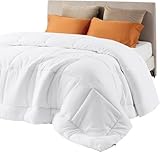
| Serta Goose Feather Down Comforter | Hotel-style softness on a budget | $62.99 |
| Bedsure Quilted Comforter (lower price) | Oeko-TEX certified warmth | $34.99 |
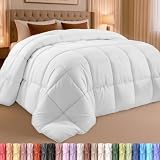
| Utopia Bedding Queen Comforter | Reliable all-season everyday use | $29.69 |
| Bedsure Quilted Comforter (higher price) | Denser warmth without premium cost | $45.99 |
| Utopia Bedding Duvet Insert | Lowest viable duvet insert | $26.49 |
| Bedsure Prewashed Duvet Cover | Soft cover with no slip-in needed | $19.99 |
| Martha Stewart Goose Down Comforter | Luxury down feel at mid-range | $69.99 |
| MUXHOMO Reversible Duvet Cover | Decorative style without extra cost | $19.99 |
How We Picked
We evaluated every insert and cover on four criteria: fill distribution consistency after multiple wash cycles, shell fabric breathability under a warm duvet, corner security (ties, loops, or lack thereof), and whether the price reflects the actual materials inside rather than packaging or brand markup. Products that shed, developed permanent cold spots, or failed to fit standard duvet covers cleanly were eliminated regardless of how good they looked on day one.
The 8 Best Duvets in 2026
Serta Goose Feather Down Fiber Comforter Queen Size
This is the duvet for someone who wants that hotel bed cloud feeling without paying hotel prices. The 100 percent cotton cover keeps things breathable, and the feather-down blend gives you real loft that recovers well after years of use. The hypoallergenic treatment means sensitive sleepers get down comfort without the dust-mite headache.
- Cotton shell breathes well and feels smooth against skin
- Medium warmth works in most bedrooms year-round
- At 90 by 90 inches it may overhang or bunch in tighter duvet covers
Skip it if your bedroom runs hot in summer; the medium warmth plus down fill will push past comfortable for warm sleepers who need a lighter option.
Bedsure Comforter Duvet Insert Quilted (Lower Price)
The $34.99 Bedsure earns its spot through Oeko-TEX certification at a price where competitors barely offer basic safety labels. The quilted construction holds fill in place better than sewn-through alternatives at this cost, and the microfiber fill is genuinely soft for the money. It is light enough for layering in cold climates yet sufficient as a standalone for mild winters.
- Certified free of harmful chemicals, rare at this price
- Quilting prevents fill migration through normal use
- Fill is thin enough that it compresses flat over time
Skip it if you need serious warmth in a drafty room; this is a mild-climate or layering piece, not a heavy winter duvet.
Utopia Bedding Queen Comforter 88 x 88
Utopia makes the most boring duvet on this list, and that is exactly why it works for everyday use. The 88 by 88 inch size fits standard queen covers without awkward overhang, the fill is evenly distributed from day one, and it survives repeated washing without developing the permanent creases that plague cheaper alternatives. It is the duvet you buy when you are furnishing a rental or replacing one that died.
- Size matches standard queen covers perfectly
- Washes well without clumping or odor retention
- Lacks any premium texture or loft feel
Skip it if you care about sensory comfort; this is functional bedding, not something that will make your bed feel luxurious.
Bedsure Comforter Duvet Insert Quilted (Higher Price)
At $45.99 this is the same Bedsure construction with noticeably more fill weight, which is the difference between a comforter that feels like a suggestion and one that actually warms you through the night. The extra fill gives the quilting more purpose, creating defined pockets of trapped air. It is the best mid-range duvet for sleepers who get cold but refuse to spend $60-plus on down alternatives.
- Denser fill creates genuine warmth without heaviness
- Still carries Oeko-TEX certification for chemical safety
- Heavier fill means longer drying time in a home washer
Skip it if you sleep in a warm climate or run hot at night; the added fill weight will feel oppressive in summer months.
Utopia Bedding Duvet Insert at $26.49
The absolute floor of viable duvet inserts, and Utopia delivers exactly what $26.49 should: a clean white comforter that fits a standard cover, provides basic warmth, and will not embarrass you in a spare bedroom. The fill is thin but consistent, and the shell fabric does not have the squeaky, synthetic feel that plagues other ultra-budget options.
- Unbeatable price for a functional queen insert
- Corners have ties that stay put after washing
- Fill compresses noticeably after six to eight months
Skip it if this is your daily duvet; it is a guest room or emergency replacement piece, not a long-term solution.
Bedsure Prewashed Duvet Cover Queen
This is not an insert but a cover, and it earns its place because a great duvet with a stiff, cheap cover is still a bad sleep experience. The prewashed finish means it arrives soft rather than requiring three washes to break in, and the cotton-like microfiber breathes better than most satin finishes in this price bracket. The button closure stays shut through active sleep.
- Soft out of the package with zero break-in period
- Button closure does not pop open during the night
- Not stain-resistant; the light color will show through eventually
Skip it if you want a cover that doubles as your decorative layer; the plain white will not hold up visually in a shared space where guests see it.
Martha Stewart Luxury White Goose Feathers Down Fiber Comforter Queen Size
The closest thing to a luxury hotel duvet you will find under $70. The goose feather and down fill blend gives you the kind of loft and drape that makes a bed look expensive, and the cotton shell has a sateen finish that feels silky without being slippery. This is the duvet for someone who noticed the difference at a good hotel and wanted to replicate it at home.
- Exceptional loft and hotel-quality aesthetic
- Sateen cotton shell feels noticeably premium against skin
- Highest price on this list without a proportional jump in warmth
Skip it if your main concern is thermal performance; you are paying for feel and look, not for heat retention that outperforms the Bedsure at half the cost.
MUXHOMO Reversible Floral Duvet Cover
At $19.99 this is the rare budget duvet cover that actually looks intentional rather than cheap. The reversible floral-to-green design means you get two looks for the price of one, which makes it practical for people who want to refresh a room’s color scheme without buying multiple covers. The microfiber is soft and the zipper closure with inner button is secure.
- Two color schemes in a single purchase
- Zipper plus button closure prevents accidental opening
- Microfiber traps more heat than a cotton cover would
Skip it if you sleep hot or live in a warm climate; the synthetic microfiber will not breathe as freely as a cotton or percale alternative.
Buying Guide
Fill Weight vs. Warmth Level
Fill weight measured in ounces per square meter is the single most predictive spec for duvet warmth, yet almost no product listing publishes it. As a rule of thumb, anything under 200 gsm feels like a light blanket in winter, 200 to 300 gsm covers mild climates and most indoor heating, and 300 gsm and above is genuinely cold-room territory. When shopping duvet inserts, use the fill description (feather-down blend versus synthetic microfiber) and the price tier as proxies: feather-down at $60-plus typically hits the 250 to 300 gsm range, while budget synthetics under $30 are almost always under 150 gsm regardless of what they call “medium warmth.”
Shell Fabric and Stitching Construction
The shell determines whether your duvet breathes or becomes a plastic bag, and the stitching determines whether your fill stays where you sleep. Cotton shells feel better against skin and wick moisture, while microfiber shells resist stains but trap heat. For construction, sewn-through stitching (where the needle passes both layers simultaneously) creates cold spots along every seam line. Baffle-box or compartment-style construction keeps a physical wall of fabric between the top and bottom layers, allowing the fill to loft fully in each box. The Bedsure quilted models use the former, which is why they compress over time, while the Serta and Martha Stewart feather-down inserts benefit from the feather structure itself providing some independent loft.
Size and Corner Security
A duvet insert and cover must match to the inch or the insert bunches in one corner while leaving the opposite end empty. Standard queen is 88 by 88, but some products use 90 by 90 for extra drape. Corner ties are the mechanism that keeps the insert from shifting inside the cover. If a product listing does not mention ties or loops, assume there are none and plan to add your own with a needle. The Utopia and Bedsure models on this list include them; the Martha Stewart does not always, and feather-down inserts are heavier enough that unsecured corners cause visible draping problems within a week.
Our Verdict
The top pick is the Bedsure Comforter at $45.99: it delivers the densest warmth per dollar, carries chemical safety certification that competitors skip, and its quilting holds up through repeated washes. The budget pick is the Utopia Bedding Duvet Insert at $26.49, which is the most honest dollar-for-dollar value on this list for anyone who just needs functional bedding without frills. The Martha Stewart wins over both if your priority is how the bed looks and feels rather than thermal performance, and you are willing to pay a $25 premium for that sensory upgrade.
FAQ
What is the difference between a duvet and a comforter?
A duvet is an insert designed to live inside a removable cover, similar to a pillow inside its case. A comforter is a finished piece with its own decorative fabric that you wash directly. The Bedsure and Utopia models here are technically comforters being used as duvet inserts, which works fine but means you are adding a cover layer on top of their built-in fabric shell.
Can you wash a down feather comforter at home?
Yes, but it requires a front-loading machine or a large top-loader with an agitator removed. Tumble dry on low with two or three tennis balls to break up clumped fill, and expect the cycle to take three or four hours because down retains moisture stubbornly. The Serta and Martha Stewart feather-down options both tolerate home washing if you follow these steps.
How often should you replace a duvet insert?
Down-alternative synthetic inserts typically last three to five years before the fill breaks down into flat, uneven pockets. Real down lasts longer, seven to ten years, because the feather clusters recover loft even after compression. The Utopia and lower-priced Bedsure models will show their decline earliest, while the Serta and Martha Stewart feather-down options maintain usable loft noticeably longer.
Do you need a duvet cover if the comforter is already soft?
Practically, yes. A cover takes the dirt, sweat, and skin oils instead of the insert, which means you wash the cheap cover weekly instead of the expensive insert quarterly. It also lets you swap the decorative look of your bed without buying a new comforter every season, which is exactly why the Bedsure Prewashed and MUXHOMO covers are listed as standalone products on this page.